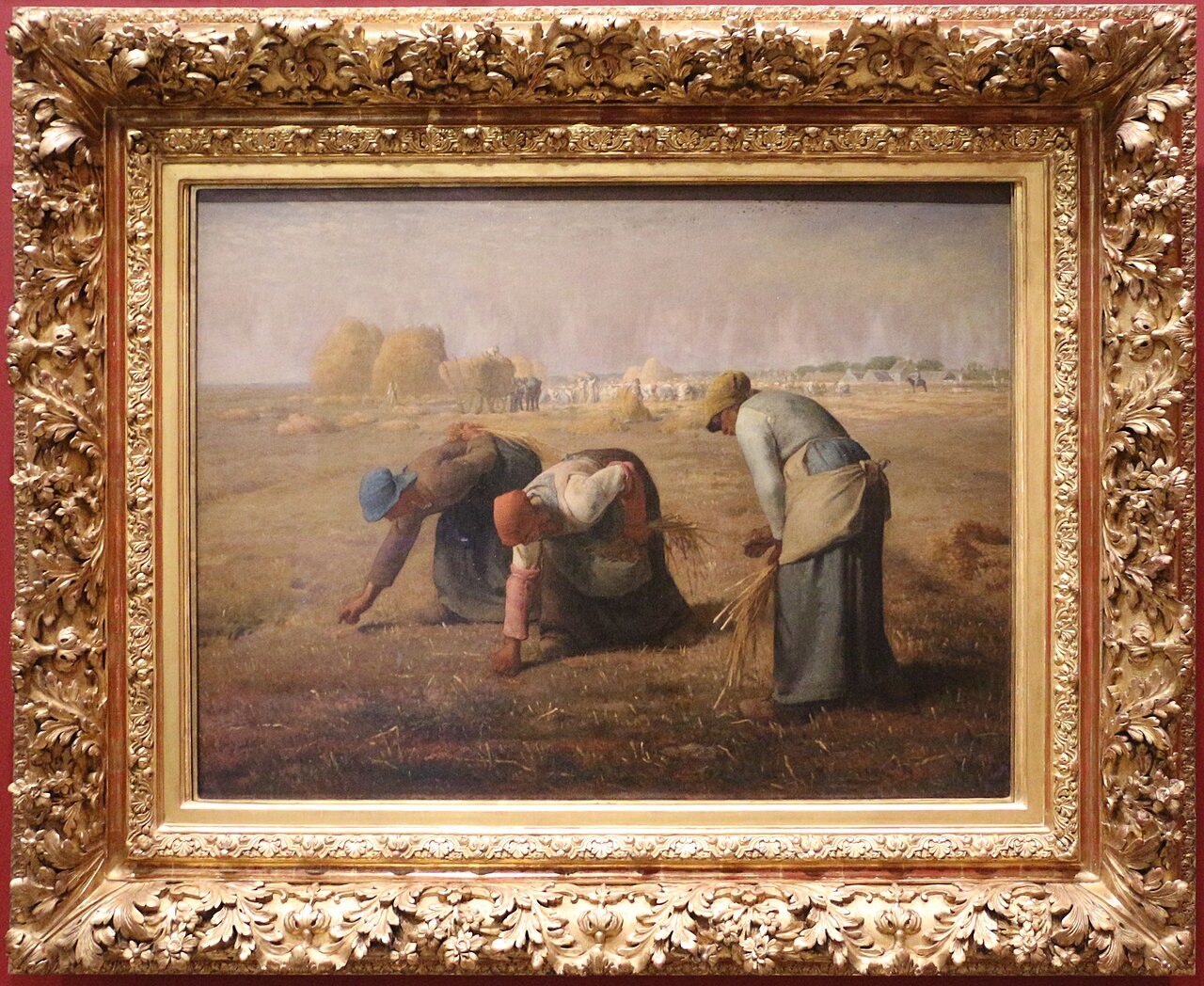
Era 6 · The First KingsProverbs
Proverbs 31: A Woman of Strength
A queen mother's charge to her son, and an alphabet in praise of a capable woman
"The words of king Lemuel, the prophecy that his mother taught him. What, my son? and what, the son of my womb? and what, the son of my vows?" (31:1–2). The only teaching in the Bible explicitly attributed to a mother is addressed to a king.
"It is not for kings, O Lemuel, it is not for kings to drink wine… lest they drink, and forget the law, and pervert the judgment of any of the afflicted… Open thy mouth for the dumb in the cause of all such as are appointed to destruction. Open thy mouth, judge righteously, and plead the cause of the poor and needy" (31:4–9).
"Who can find a virtuous woman? for her price is far above rubies. The heart of her husband doth safely trust in her… She considereth a field, and buyeth it: with the fruit of her hands she planteth a vineyard. She girdeth her loins with strength… She stretcheth out her hand to the poor… She openeth her mouth with wisdom; and in her tongue is the law of kindness" (31:10–26).
"Favour is deceitful, and beauty is vain: but a woman that feareth the LORD, she shall be praised. Give her of the fruit of her hands; and let her own works praise her in the gates" (31:30–31).
An alphabet of praise
The site checked the library's Hebrew: verses 10–31 begin, in order, with all 22 letters from alef to tav, one verse each, with no gaps (eshet, batach, gemalathu, darshah, hayetah, vattaqom, zamemah, chagerah, ta'amah, yadeha, kappah, lo-tira, marvaddim, noda, sadin, oz-vehadar, piha, tsofiyyah, qamu, rabbot, sheqer, tenu). In the site's reader, open Proverbs 31 in the Hebrew to see each letter marked, as in Psalm 119. The alphabet frames the woman as complete, praise "from A to Z."
Spindle and distaff, purple and fine linen
"She layeth her hands to the spindle (kishor), and her hands hold the distaff (pelekh)" (31:19). Spindle whorls and loom weights are among the commonest finds in Iron Age houses, showing that spinning and weaving were household industries, largely women's work. "Scarlet" (shanim, dyed wool, v. 21), "silk and purple" (shesh, fine linen, and argaman, purple-dyed wool, v. 22) were high-value goods; purple dye came from murex shells processed on the Phoenician coast. She sells "girdles unto the merchant" (literally "to the Canaanite," the trader, v. 24). The poem describes an elite household with servants and land.
| Verse | The saying | Form | What to notice |
|---|---|---|---|
| 31:1 | The words of king Lemuel, the prophecy that his mother taught him | Heading | Massa: "oracle" or the tribe of Massa; see 30:1 |
| 31:2 | What, my son? and what, the son of my womb? | Instruction | Aramaic bar ("son") three times: an Aramaic-coloured text |
| 31:3 | Give not thy strength unto women | Instruction | Royal harems and their cost (compare Solomon, 1 Kings 11:1–4) |
| 31:4 | It is not for kings, O Lemuel, it is not for kings to drink wine | Instruction | Leaders must stay sober |
| 31:5 | Lest they drink, and forget the law | Instruction | Justice for the afflicted at stake |
| 31:6 | Give strong drink unto him that is ready to perish | Instruction | Wine as relief for the dying and bitter of soul (compare Mark 15:23) |
| 31:7 | Let him drink, and forget his poverty | Instruction | Contrast with the king who must not forget |
| 31:8 | Open thy mouth for the dumb | Instruction | Speak for those who cannot; see the passage page |
| 31:9 | Open thy mouth, judge righteously | Instruction | Plead the cause of the poor and needy |
| 31:10 | א Who can find a virtuous woman? | Acrostic | Eshet chayil, "woman of strength"; Ruth 3:11 |
| 31:11 | ב The heart of her husband doth safely trust in her | Acrostic | "No need of spoil": no lack of gain |
| 31:12 | ג She will do him good and not evil | Acrostic | All her life |
| 31:13 | ד She seeketh wool, and flax | Acrostic | Raw materials of textile work |
| 31:14 | ה She is like the merchants' ships | Acrostic | Bringing food from afar |
| 31:15 | ו She riseth also while it is yet night | Acrostic | Provides for household and servants |
| 31:16 | ז She considereth a field, and buyeth it | Acrostic | Buys land and plants a vineyard from her earnings |
| 31:17 | ח She girdeth her loins with strength | Acrostic | Language used of warriors |
| 31:18 | ט She perceiveth that her merchandise is good | Acrostic | Her lamp burns at night |
| 31:19 | י She layeth her hands to the spindle | Acrostic | Spinning |
| 31:20 | כ She stretcheth out her hand to the poor | Acrostic | The hand that spins also gives (chiasm with v. 19) |
| 31:21 | ל She is not afraid of the snow for her household | Acrostic | Clothed in scarlet (or, with a different vowel, "double" garments) |
| 31:22 | מ She maketh herself coverings of tapestry | Acrostic | Fine linen and purple |
| 31:23 | נ Her husband is known in the gates | Acrostic | Public honour of the household |
| 31:24 | ס She maketh fine linen, and selleth it | Acrostic | Sells sashes to the Canaanite trader |
| 31:25 | ע Strength and honour are her clothing | Acrostic | She laughs at the days to come |
| 31:26 | פ She openeth her mouth with wisdom | Acrostic | "The law (torah) of kindness (chesed)"; the last verse in the library's Greek file |
| 31:27 | צ She looketh well to the ways of her household | Acrostic | Tsofiyyah, "watching," may pun on Greek sophia (wisdom): a debated proposal |
| 31:28 | ק Her children arise up, and call her blessed | Acrostic | Family praise |
| 31:29 | ר Many daughters have done virtuously | Acrostic | "But thou excellest them all": the husband's words |
| 31:30 | ש Favour is deceitful, and beauty is vain | Acrostic | The fear of the LORD, framing the book with 1:7 |
| 31:31 | ת Give her of the fruit of her hands | Acrostic | Praised in the gates |
Who was Lemuel?
Lemuel ("belonging to God") is otherwise unknown; if massa is the Arabian tribe of Massa (Genesis 25:14), he was a non-Israelite king, and his mother's teaching was received into Israel's book. Aramaic forms (bar for "son" in v. 2; the -in plural in v. 3) support a north Arabian or Transjordanian setting. Jewish tradition (Midrash, Rashi) identified Lemuel with Solomon and his mother with Bathsheba: a later reading, not stated in the text.
Eshet chayil
Chayil means strength, ability, wealth, valour, and an army; ish chayil is a "mighty man of valour" (Judges 6:12; Ruth 2:1). Eshet chayil occurs three times: Proverbs 12:4, 31:10 and Ruth 3:11, where Boaz calls Ruth "a virtuous woman": in the Hebrew Bible order, Ruth follows Proverbs, so the two portraits sit side by side. "Virtuous" (KJV) narrows the word; "capable," "of strength" or "of valour" is closer.
Reception
In Jewish homes 31:10–31 (Eshet Chayil) is sung on Friday evening before the Sabbath meal, a custom attested from the 16th–17th centuries in Kabbalistic circles, where it was also read of the Sabbath and the Shekhinah, and later of the wife of the house. Christian readers have read the poem as an ideal of Christian womanhood, and allegorically of the Church or of Wisdom. Modern readers note both its celebration of women's economic and intellectual agency and its setting in an elite household; it is a poem of praise, not a checklist by which to judge women. See the investigation The Woman of Strength and the Bookends of Proverbs.
The Greek and the digital file
In the Old Greek the poem comes last, after chapters 25–29. The library's digital Greek stores 31:10–26 inside a single slot labelled 31:31, after the end of Greek chapter 29, and verses 27–31 are missing from the file. Their absence is a fact about this digital edition, not about Greek manuscripts (D check; C check against Rahlfs). The Greek poem is not an acrostic: the alphabet does not survive translation, which is why the reader shows the letters only in Hebrew.
What the evidence shows
- Proverbs 31:10–31 is a complete Hebrew alphabetic acrostic, one verse per letter. All 22 initial letters checked in the WLC.Source: The site's library: Westminster Leningrad Codex, KJV, Clementine Vulgate, Giguet's French of the Greek
- Eshet chayil occurs in Proverbs 12:4, 31:10 and Ruth 3:11.
- Lemuel was Solomon and his mother Bathsheba. A later Jewish tradition.
- The library's digital Greek lacks 31:27–31. A gap in the digital file, not evidence about manuscripts.Source: The site's library: Westminster Leningrad Codex, KJV, Clementine Vulgate, Giguet's French of the Greek
- Singing Eshet Chayil on Friday evening is attested from the 16th–17th centuries.
Continue the journey
Journey of a PassageProverbs 31:10–31: The woman of strength: an alphabet, and a Greek gap"Who can find a virtuous woman (eshet chayil)?More from this lesson
Why this matters to the rest of Scripture
- "Thou art a virtuous woman."
- The fear of the LORD, at the start.
- Wisdom calling in the gates.
- Lydia, a seller of purple.