Era 6 · The First KingsProverbs
Proverbs 7: At the Window of My House
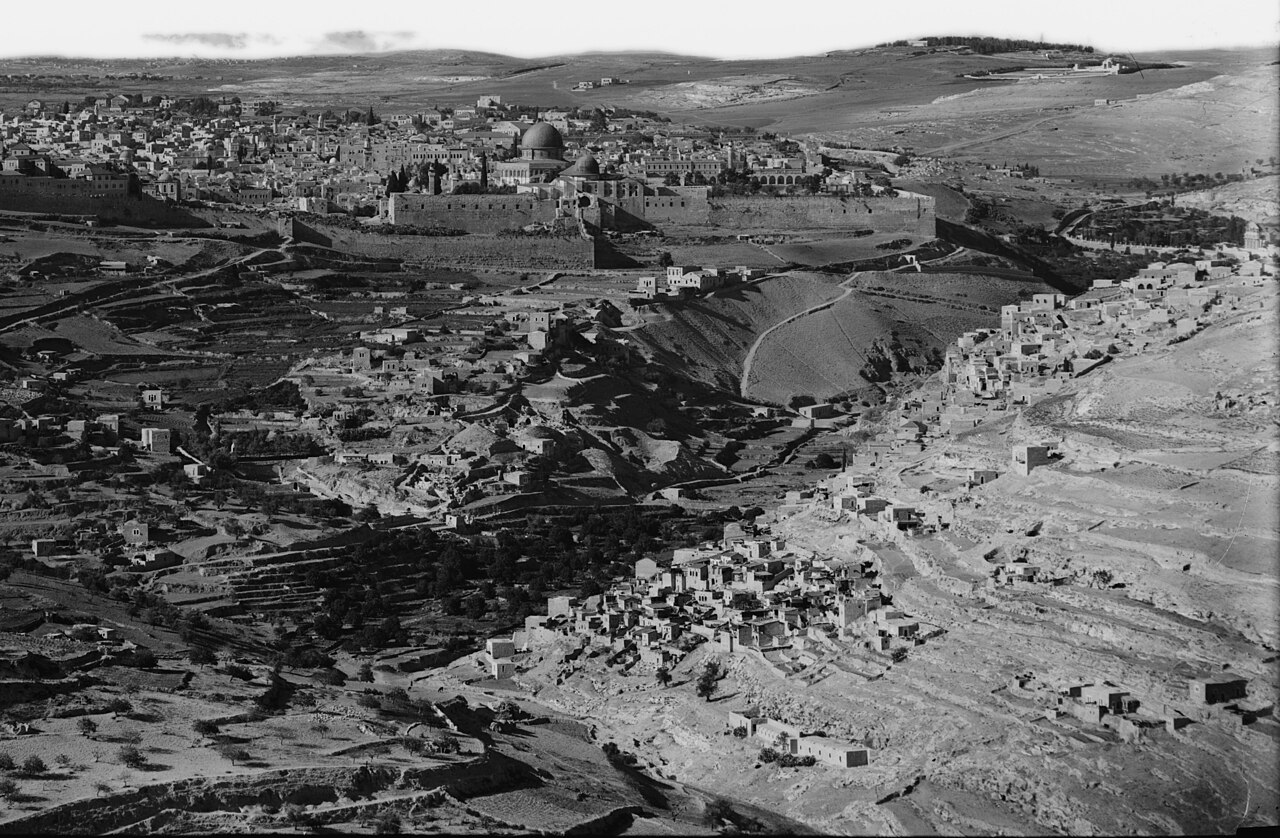
A street scene at dusk, a seduction, and the road to death
"Say unto wisdom, Thou art my sister; and call understanding thy kinswoman: that they may keep thee from the strange woman" (7:4–5). The cure for a false intimacy is a true one.
"For at the window of my house I looked through my casement, and beheld among the simple ones… a young man void of understanding, passing through the street near her corner; and he went the way to her house, in the twilight, in the evening, in the black and dark night" (7:6–9). The scene darkens step by step: twilight, evening, the middle of the night.
"And, behold, there met him a woman with the attire of an harlot, and subtil of heart… So she caught him, and kissed him, and with an impudent face said unto him, I have peace offerings with me; this day have I payed my vows… I have decked my bed with coverings of tapestry… with fine linen of Egypt. I have perfumed my bed with myrrh, aloes, and cinnamon. Come, let us take our fill of love until the morning… For the goodman is not at home, he is gone a long journey: he hath taken a bag of money with him" (7:10–20).
"He goeth after her straightway, as an ox goeth to the slaughter… as a bird hasteth to the snare, and knoweth not that it is for his life" (7:22–23). "For she hath cast down many wounded: yea, many strong men have been slain by her. Her house is the way to hell" (7:26–27).
Peace offerings
Her claim, "I have peace offerings with me; this day have I payed my vows" (7:14), means she has meat at home: part of a fellowship sacrifice (shelamim) was eaten by the worshipper on the same or the next day (Leviticus 7:15–16). She offers a feast. Some scholars once read her as a priestess of a foreign love goddess; most now see an ordinary married woman using a religious occasion as cover. The text gives no evidence of a cult.
Luxury goods
Egyptian linen, myrrh (from Arabia and East Africa), aloes (aromatic wood, perhaps from India) and cinnamon (from South or Southeast Asia) were costly imports traded along the incense routes. The list makes her bed a picture of exotic luxury; compare Song of Songs 4:14 and Psalm 45:8.
Windows and lattices
Houses had small high windows with wooden lattices; the observer can see without being seen. The same image appears in Judges 5:28 and 2 Kings 9:30. Ivory plaques of a "woman at the window" were popular Phoenician decorations (examples from Samaria and Nimrud), whose meaning is debated.
A parable, not a police report
The scene is a teaching story built from typical details, not a record of an event. Its power is in its pacing and in the woman's speech, which is quoted at length: speech is what traps. The young man has agency ("he went the way to her house") but no judgment.
Reading it today
The narrator is male and the warning is to young men; the woman is both seductress and (in the wider poem) the mirror image of Woman Wisdom. Modern readers note that the story places responsibility on the young man's choices, and that the woman too is acting freely. The site presents it as ancient moral instruction, without turning it into a statement about women in general.
The Greek
Greek Proverbs adds a line to 7:1; in the library's Greek: "My son, honour the Lord, and you will be good (strong); and have no other fear." Small Greek pluses like this are frequent; each is a C check against Rahlfs.
A Qumran echo: 4Q184
A poem from Qumran Cave 4, 4Q184, called "The Wiles of the Wicked Woman" (1st century BC, reported), develops the seductress of Proverbs 7 and 9 into a figure of cosmic danger: "her gates are the gates of death… she lies in wait in secret places." It shows how readers in the Second Temple period took up the image, sometimes reading her as a symbol of false teaching. The site reports it from published translations (C check).
The Egyptian Instruction of Any
Any's warning about "a woman away from her husband" who tells the young man "I am pretty" when there are no witnesses parallels the woman's words "the goodman is not at home, he is gone a long journey" (7:19). See chapter 5. The shared motif belongs to a broad tradition of instruction.
What the evidence shows
- Part of a peace offering was eaten by the worshipper soon after the sacrifice. Leviticus 7:15–16.Source: The site's library: Westminster Leningrad Codex, KJV, Clementine Vulgate, Giguet's French of the Greek
- The woman of Proverbs 7 is a priestess of a love goddess. An older proposal without evidence in the text.
- Proverbs 7 describes a specific historical incident. A typical teaching story.
Continue the journey
Connected elsewhere in ScriptureAltars of Ancient IsraelLeviticus 7:15–16: Eating the peace offering.More from this lesson
Why this matters to the rest of Scripture
- Eating the peace offering.
- Sisera's mother at the window.
- Woman Folly's invitation.