Era 6 · The First KingsProverbs
Investigation: Wisdom Is Not a Guarantee of Wealth
Proverbs read with Job, Ecclesiastes, Psalm 73 and the poor
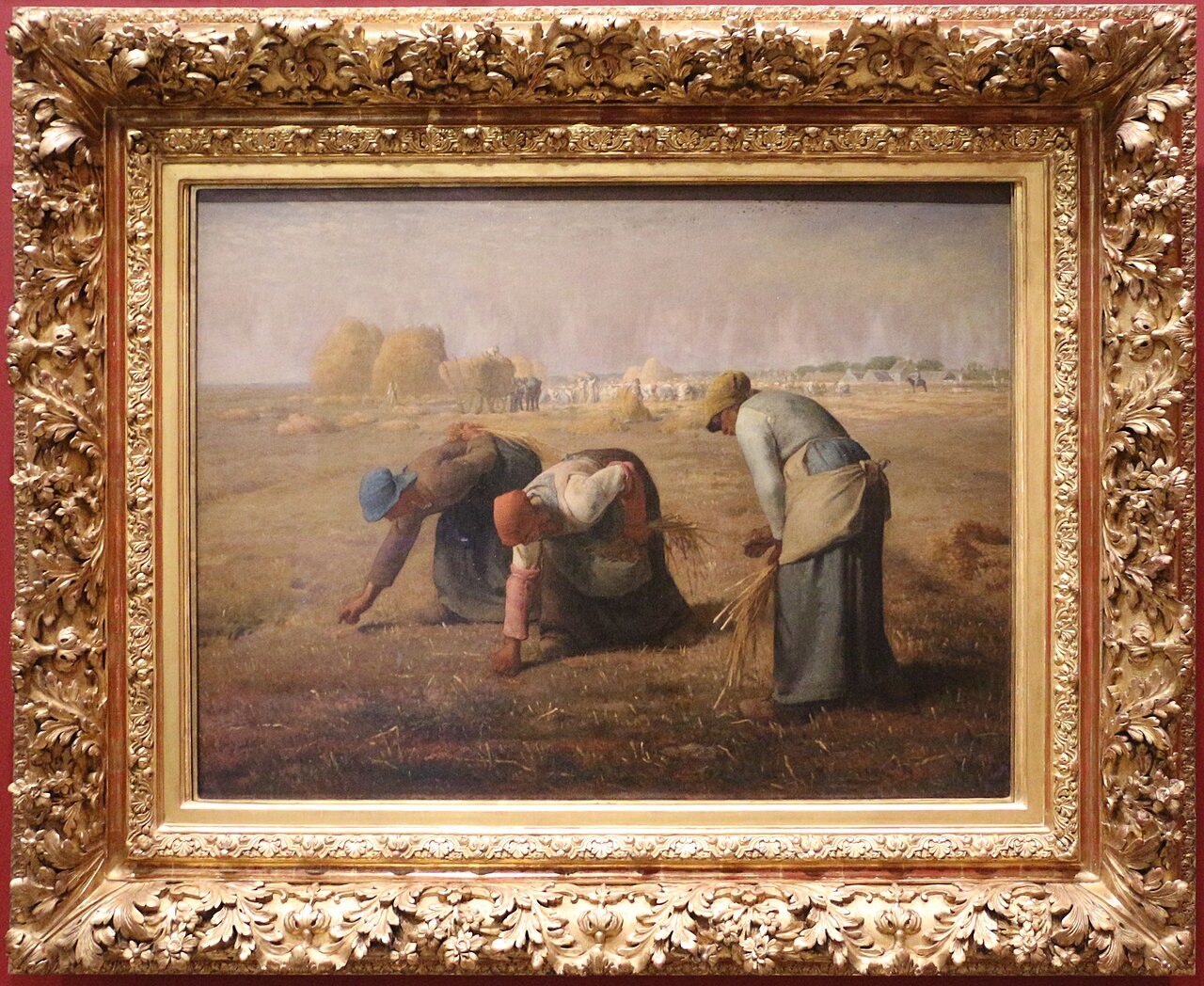
"The LORD will not suffer the soul of the righteous to famish" (10:3). "Much food is in the tillage of the poor: but there is that is destroyed for want of judgment" (13:23). The two sayings sit three chapters apart. One describes God's care; the other describes poverty caused by injustice.
"Better is the poor that walketh in his uprightness, than he that is perverse in his ways, though he be rich" (28:6). "Give me neither poverty nor riches" (30:8). "Wherefore doth the way of the wicked prosper?" asks Jeremiah (12:1); "I saw the prosperity of the wicked," says Psalm 73:3; "the race is not to the swift… nor yet riches to men of understanding," says Ecclesiastes (9:11); Job loses everything though "perfect and upright."
| Saying | What it says | Its counterweight in Proverbs or the Bible |
|---|---|---|
| 10:4 | Diligence makes rich | 13:23 poverty from injustice; Ecclesiastes 9:11 |
| 3:9–10 | Honour God, barns full | 30:8–9 neither poverty nor riches; Habakkuk 3:17–18 |
| 10:3 | The righteous will not hunger | Job 1–2; Psalm 73; Lamentations |
| 22:4 | Humility and fear of the LORD bring riches | 15:16 better little with the fear of the LORD; 16:8 |
| 13:22 | The sinner's wealth goes to the just | Ecclesiastes 2:18–21; Psalm 49 |
| 18:11; 10:15 | Wealth as a strong city | 18:11 "in his own conceit"; 11:28 trust in riches falls |
| 14:20; 19:4, 7 | The poor are abandoned | Observation, not approval: 14:21, 31; 19:17 command kindness |
Proverbs as observation and as promise
A proverb states what usually happens or what ought to happen. Hard work usually helps; honesty usually builds trust; generosity usually returns. But Proverbs also records the opposite: dishonest gain, the oppressor's success for a time (1:10–19; 28:12), the poor man's field swept away (13:23). Its "better… than" sayings (15:16–17; 16:8, 19; 17:1; 19:1; 28:6) admit that the righteous may be poor and the wicked rich, and rank integrity above wealth.
The poor in Proverbs
The book commands justice for the poor (22:22–23; 31:8–9), grounds it in God as Maker (14:31; 17:5; 22:2), calls generosity lending to the LORD (19:17), and warns that ignoring the poor brings one's own cry unanswered (21:13). It never says that poverty is in itself evidence of sin.
The prosperity reading
Modern "prosperity" teaching (the "prosperity gospel") often cites Proverbs 3:9–10 and 10:22. Historically, Jewish and Christian interpreters (from the rabbis to Calvin) read such verses as general blessings within God's providence, balanced by Job and Ecclesiastes. The site presents the sayings as Proverbs presents them: true patterns, not contracts, and never a reason to blame the poor.
What the evidence shows
- Proverbs contains sayings attributing poverty to injustice (13:23) as well as to laziness.
- Proverbs teaches that poverty proves sin.
- Proverbs 3:9–10 guarantees wealth to givers.
Continue the journey
Journey of a PassageProverbs 13:23: The poor man's field and injustice"Much food is in the tillage of the poor: but there is that is destroyed for want of judgment (mishpat)." The Hebrew blames the loss of the poor farmer's harvest on the absence of justice.More from this lesson
Why this matters to the rest of Scripture
- "Wherefore do the wicked live… and are mighty in power?"
- The prosperity of the wicked.
- "Nor yet riches to men of understanding."
- "Hath not God chosen the poor?"