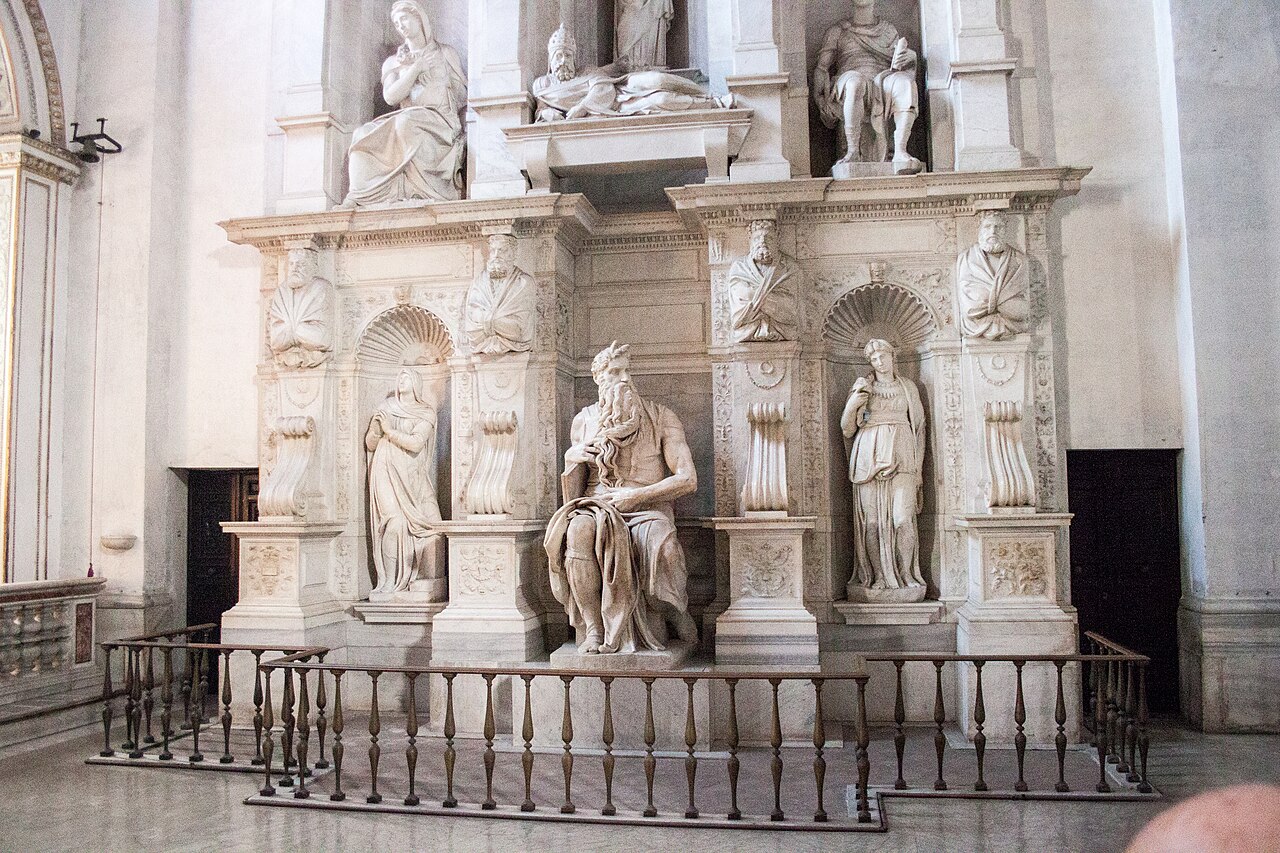
Jeremiah 15: Though Moses and Samuel Stood Before Me
No intercession, four destroyers, the sins of Manasseh, and "Woe is me, my mother"
"Then said the LORD unto me, Though Moses and Samuel stood before me, yet my mind could not be toward this people: cast them out of my sight, and let them go forth… Such as are for death, to death; and such as are for the sword, to the sword; and such as are for the famine, to the famine; and such as are for the captivity, to the captivity… because of Manasseh the son of Hezekiah king of Judah, for that which he did in Jerusalem" (15:1–4).
"Woe is me, my mother, that thou hast borne me a man of strife and a man of contention to the whole earth! I have neither lent on usury, nor men have lent to me on usury; yet every one of them doth curse me" (v. 10).
"O LORD, thou knowest: remember me, and visit me, and revenge me of my persecutors… Thy words were found, and I did eat them; and thy word was unto me the joy and rejoicing of mine heart: for I am called by thy name, O LORD God of hosts. I sat not in the assembly of the mockers, nor rejoiced; I sat alone because of thy hand: for thou hast filled me with indignation. Why is my pain perpetual, and my wound incurable, which refuseth to be healed? wilt thou be altogether unto me as a liar, and as waters that fail?" (vv. 15–18).
"Therefore thus saith the LORD, If thou return, then will I bring thee again, and thou shalt stand before me: and if thou take forth the precious from the vile, thou shalt be as my mouth: let them return unto thee; but return not thou unto them. And I will make thee unto this people a fenced brasen wall: and they shall fight against thee, but they shall not prevail against thee: for I am with thee to save thee and to deliver thee" (vv. 19–20).
| Verses | What it says | What to notice |
|---|---|---|
| 15:1–4 | Even Moses and Samuel could not change my mind; to death, sword, famine, captivity; four destroyers; because of Manasseh | Moses (Exodus 32:11–14) and Samuel (1 Samuel 7:5–9; 12:19–23) as intercessors. |
| 15:5–9 | Who will pity Jerusalem? I am weary of relenting; I winnowed them at the gates; widows more than sea sand; the mother of seven faints, her sun set at noon | Compare Hannah's song: "she that hath many children is waxed feeble" (1 Samuel 2:5). |
| 15:10 | Woe is me, my mother, that you bore me, a man of strife; I neither lent nor borrowed, yet all curse me | The third confession begins. |
| 15:11–14 | God (or Jeremiah?): I will deliver you for good; can iron break northern iron and bronze? your wealth as plunder; you will serve enemies in an unknown land | A difficult Hebrew text; vv. 13–14 repeat 17:3–4. |
| 15:15–18 | Remember me, avenge me; your words were found and I ate them; I sat alone under your hand; why is my pain endless? Will you be to me a deceitful brook? | The accusation of v. 18 reverses 2:13 ("the fountain of living waters"). |
| 15:19–21 | If you return, I will restore you; if you utter the precious, not the worthless, you will be as my mouth; a fortified bronze wall; I will redeem you | "Return" (shuv): the word Jeremiah preached to Judah is now spoken to him. |
The sins of Manasseh
Manasseh, son of Hezekiah, reigned about 55 years (c. 697–642 BC), longer than any king of Judah. 2 Kings 21 blames him for altars to the host of heaven in the temple, child sacrifice, sorcery and "innocent blood very much," and 2 Kings 23:26; 24:3–4 say that Judah's fall came "for the sins of Manasseh." Jeremiah 15:4 is the only verse in the prophets outside Kings that names him in this way. 2 Chronicles 33 adds that he was taken to Babylon, repented and was restored, a story not found in Kings. Assyrian records list "Manasseh king of Judah" (Menasî) among vassals of Esarhaddon and Ashurbanipal, confirming his reign and his subordination to Assyria.
The third confession (15:10–21)
This is the longest of Jeremiah's personal poems, and the only one where God answers by calling the prophet to repent. Jeremiah's accusation, "wilt thou be altogether unto me as a liar (akhzav), as waters that fail?", compares God to a wadi that runs dry in summer and betrays the traveller, the opposite of 2:13. God's reply does not deny the suffering; it demands that Jeremiah "return," separate the precious from the worthless in what he says, and promises protection, not relief. Some interpreters read v. 19 as rebuke for the accusation; others as God reaffirming the call in Jeremiah's own words. Compare the lament psalms' charges against God (Psalm 44:23–24; 88) and Job's (Job 6:15–20 also compares friends to treacherous streams). These are shared forms of complaint; the site does not claim borrowing.
Two editions and a hard text
15:11–14 is one of the hardest passages in the book. The Hebrew of v. 11 can be read as God speaking ("I will release you for good") or as Jeremiah ("Truly, LORD, did I not serve you for good?"); the Greek begins "So be it, Master" and makes the verse Jeremiah's oath that he stood before God on behalf of his enemies in their distress. Verses 13–14 duplicate 17:3–4, which the Greek lacks. In vv. 16–18 the Greek reads differently from the Hebrew ("by those who reject your words; consume them"; "why do those who grieve me prevail?"). These are genuine textual differences, not errors of the library file, and need checking against Ziegler. Jeremiah survives in two ancient Hebrew editions: the longer one preserved as the Masoretic Text (the basis of most Bibles) and a shorter one translated into Greek in the last centuries BC and also found, in fragments, among the Dead Sea Scrolls. The Greek is not simply a damaged copy of the Hebrew: it often reflects a different Hebrew text. The site shows both, and weighs each difference on its own (see "Two Ancient Jeremiahs").
Eating God's words
"Thy words were found, and I did eat them" pictures taking in the message completely. Ezekiel is given a scroll to eat that tastes like honey (Ezekiel 2:8–3:3), and John eats a little book sweet in the mouth and bitter in the stomach (Revelation 10:9–10). The three share an image; Jeremiah's is the briefest and most personal.
What the evidence shows
- Jeremiah 15:4 blames the exile on Manasseh.
- Assyrian records name Manasseh king of Judah as a vassal.
- Manasseh repented in Babylon. Only in 2 Chronicles 33; not in Kings or any outside source.
- The Greek of 15:16 differs from the Hebrew. C check against Ziegler.
More from this lesson
Why this matters to the rest of Scripture
- Exodus 32:11–14; 1 Samuel 12:19–23Moses and Samuel intercede.
- 2 Kings 21; 24:3–4The sins of Manasseh.
- "A defenced city… brasen walls."
- Eating the scroll.