Jeremiah 17: The Heart Is Deceitful Above All Things
Sin engraved with an iron pen, the shrub and the tree, the heart that cannot know itself, the fourth confession, and the Sabbath gates
"The sin of Judah is written with a pen of iron, and with the point of a diamond: it is graven upon the table of their heart, and upon the horns of your altars" (17:1). "Thus saith the LORD; Cursed be the man that trusteth in man, and maketh flesh his arm, and whose heart departeth from the LORD. For he shall be like the heath in the desert… Blessed is the man that trusteth in the LORD, and whose hope the LORD is. For he shall be as a tree planted by the waters, and that spreadeth out her roots by the river" (vv. 5–8).
"The heart is deceitful above all things, and desperately wicked: who can know it? I the LORD search the heart, I try the reins, even to give every man according to his ways, and according to the fruit of his doings. As the partridge sitteth on eggs, and hatcheth them not; so he that getteth riches, and not by right, shall leave them in the midst of his days, and at his end shall be a fool" (vv. 9–11).
"Heal me, O LORD, and I shall be healed; save me, and I shall be saved: for thou art my praise. Behold, they say unto me, Where is the word of the LORD? let it come now… Be not a terror unto me: thou art my hope in the day of evil. Let them be confounded that persecute me, but let not me be confounded… bring upon them the day of evil, and destroy them with double destruction" (vv. 14–18).
"Thus saith the LORD; Take heed to yourselves, and bear no burden on the sabbath day, nor bring it in by the gates of Jerusalem… But if ye will not hearken unto me to hallow the sabbath day… then will I kindle a fire in the gates thereof, and it shall devour the palaces of Jerusalem, and it shall not be quenched" (vv. 21, 27).
| Verses | What it says | What to notice |
|---|---|---|
| 17:1–4 | Judah's sin engraved with an iron stylus and a diamond point on the tablet of the heart and the altar horns; Asherah poles; your treasures as plunder | Absent from the Old Greek. Vv. 3–4 repeat 15:13–14. |
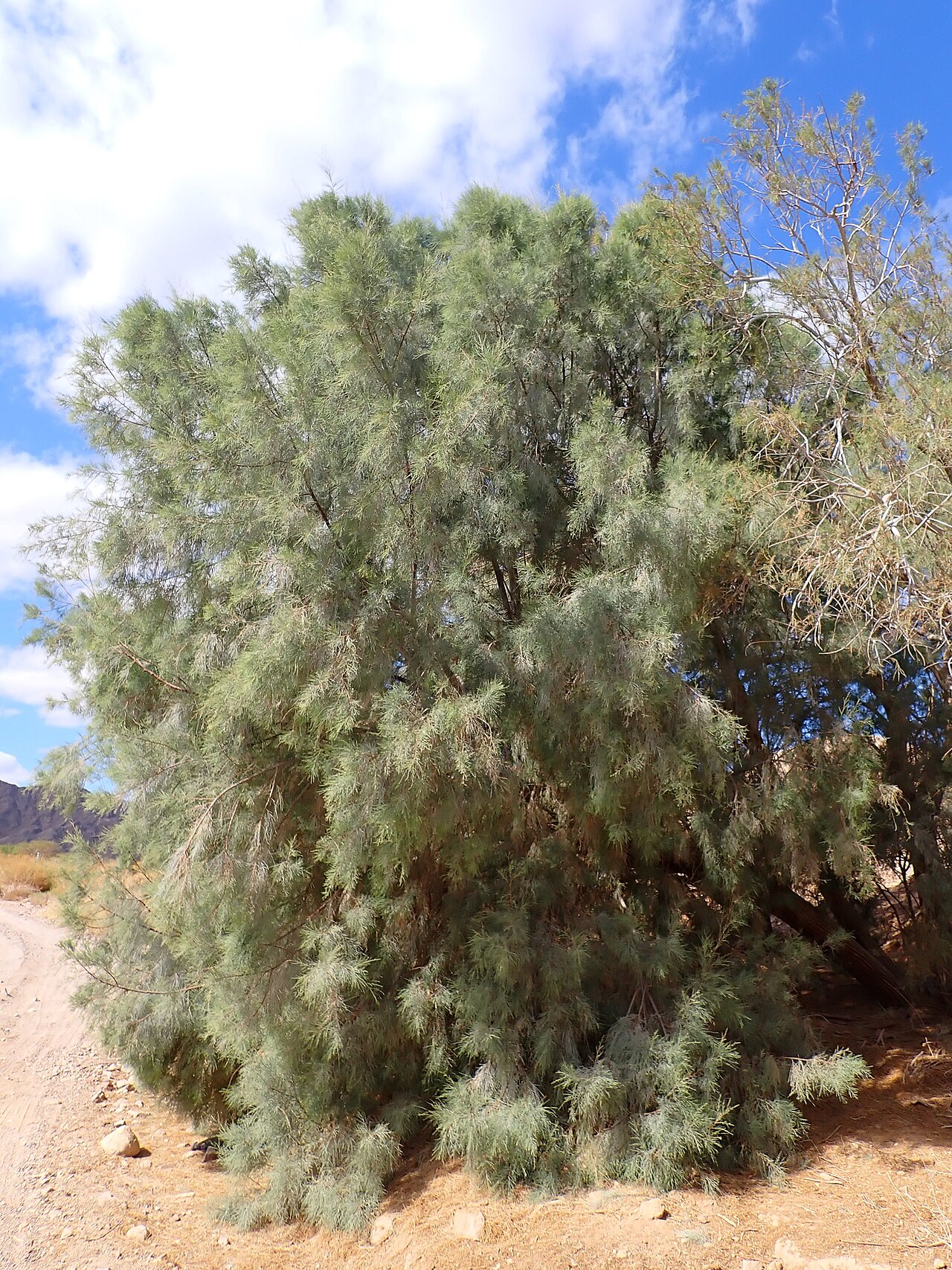
| 17:5–6 | Cursed is the man who trusts in humans and makes flesh his strength; like a shrub (ar'ar) in the desert, in salt land | The ar'ar: probably a juniper or desert shrub. |
| 17:7–8 | Blessed is the man who trusts in the LORD; like a tree planted by water, roots by the stream; leaves green in heat; not anxious in drought | Psalm 1:3 (see the passage page). |
| 17:9–10 | The heart is crooked (aqov) above all, and sick (anush); who can know it? I the LORD search the heart and test the kidneys, to repay each by his ways | Aqov is the root of Jacob's name. The Greek reads "deep" and "man." |
| 17:11 | Like a partridge (qore) hatching eggs it did not lay is one who gains wealth unjustly; he will lose it in mid-life | A proverb; the folk belief behind it is unclear. |
| 17:12–13 | A glorious throne on high from the beginning is our sanctuary; LORD, hope of Israel, those who forsake you will be written in the dust; the fountain of living waters | Echoes 2:13 and 14:8. |
| 17:14–18 | Heal me and I will be healed; they say, "Where is the word of the LORD? Let it come!"; I did not run from being your shepherd; do not be a terror to me; shame my persecutors, double destruction | The fourth confession. |
| 17:19–27 | Stand in the People's Gate and all the gates: carry no load on the Sabbath; then kings will enter and the city stand for ever; if not, fire in the gates | Prose sermon; compare Nehemiah 13:15–22. |
An iron pen and a diamond point
An et barzel, an iron stylus, was used for incising hard surfaces; Job 19:24 wishes his words were "graven with an iron pen and lead in the rock for ever." Shamir, the "diamond" of the KJV, is a very hard stone, perhaps emery or corundum, used for engraving seals and gems. The image is of an inscription that cannot be erased, cut into the heart and onto the horns of the altar, where atoning blood was meant to be placed (Leviticus 4:7).
The Sabbath gates
Jerusalem's markets operated at its gates, where farmers and traders brought goods into the city. Jeremiah 17:19–27 forbids carrying loads in or out on the Sabbath. Nehemiah 13:15–22, more than a century later, describes exactly this trade (wine, grapes, figs, fish from Tyrian merchants) and Nehemiah's closing of the gates. Many scholars think Jeremiah 17:19–27 was written or shaped in the exile or after, when Sabbath observance became a mark of Jewish identity; others see no reason to deny it to Jeremiah. The "gate of the children of the people" (v. 19) is otherwise unknown.
17:9 in full: Hebrew, context, readings
The verse is five Hebrew words: aqov ha-lev mi-kol ve-anush hu, followed by mi yeda'ennu, "who can know it?" Aqov means crooked, uneven, deceitful; it is the root of Jacob's name, and Isaiah 40:4 uses it of rough ground made level. Anush means incurable, mortally sick; Jeremiah uses it for wounds (15:18; 30:12, 15) and for a day of disaster (17:16, KJV "woeful"). "Desperately wicked" is the KJV's interpretation; many modern translations have "desperately sick" or "beyond cure." The heart (lev) in Hebrew is the seat of thought, will and choice as well as feeling. In context, verses 5–8 contrast trust in humans with trust in God; verses 9–10 explain why human beings, oneself included, cannot be trusted ultimately: no one can see into the heart, but God searches it and judges by deeds; verse 11 gives an example of a heart's self-deception, the unjustly rich. The verse is not a general statement detached from that argument.
17:9 in Greek and Latin
The Greek, as the library's Giguet renders it, reads: "The heart is deep above all things, and it is man; who will know him?" The translator seems to have read aqov as "deep" (perhaps from a related sense, "steep, hilly") and the consonants of anush as enosh, "a human being." Jerome's Vulgate has "Pravum est cor omnium, et inscrutabile," "the heart of all is perverse and unsearchable." Early Christian writers who used the Greek (for example Irenaeus, reported; C check) read the verse as being about the hidden depth of a human being, sometimes as a reference to the incarnation ("he is man, and who shall know him?"); Latin and later Protestant writers, following the Hebrew or Jerome, read it as being about the heart's corruption.
Later uses of 17:9
Rabbinic interpretation read the heart's crookedness alongside the evil inclination (yetzer ha-ra) of Genesis 6:5 and 8:21. Augustine and later the Reformers, especially Calvin, cited the verse for the depth of human sin and self-deception; it remains a key text in Protestant teaching on depravity. Modern preachers often set it against the slogan "follow your heart." These are theological uses with their own frameworks, and the site labels them as later interpretation. Jeremiah's own conclusion is v. 10: God searches the heart, and v. 7: "blessed is the man that trusteth in the LORD."
The fourth confession (17:14–18)
Jeremiah asks for healing, quotes his mockers ("Where is the word of the LORD? let it come now," because his warnings had not yet come true), protests that he never wished for the day of disaster, begs God not to become a terror to him, and asks for double destruction on his persecutors. Like the lament psalms (Psalm 6:2; 35:4–8), it combines a plea for healing with a curse on enemies. See "Jeremiah's Confessions."
Two editions
The Old Greek lacks 17:1–4. Verses 3–4 duplicate 15:13–14, and the whole unit is typical of material found only in the longer edition. Because of this minus, the Greek's verse numbers in chapter 17 run four lower (Giguet marks the Vulgate numbers in parentheses). The site's passage pages map each verse to its Greek slot. This is a genuine difference of edition. Jeremiah survives in two ancient Hebrew editions: the longer one preserved as the Masoretic Text (the basis of most Bibles) and a shorter one translated into Greek in the last centuries BC and also found, in fragments, among the Dead Sea Scrolls. The Greek is not simply a damaged copy of the Hebrew: it often reflects a different Hebrew text. The site shows both, and weighs each difference on its own (see "Two Ancient Jeremiahs").
What the evidence shows
- The Old Greek lacks Jeremiah 17:1–4. C check against Ziegler.
- Anush in 17:9 means "incurable" or "sick."
- "Desperately wicked" is a literal rendering.
- The Greek reads 17:9 as "deep" and "man." Library's Giguet; C check.
- Jeremiah 17:19–27 was composed after the exile.
- Jeremiah 17:9 teaches total depravity.
More from this lesson
Why this matters to the rest of Scripture
- The tree planted by water.
- 1 Samuel 16:7; Psalm 139:23God looks on the heart.
- Sabbath trade at the gates.
- The law written on the heart.