Era 6 · The First Kings2 Samuel
David, Bathsheba and Uriah
"But the thing that David had done displeased the LORD"
"And it came to pass, after the year was expired, at the time when kings go forth to battle, that David sent Joab… But David tarried still at Jerusalem." From his roof he sees a woman washing, "very beautiful to look upon." "Is not this Bathsheba, the daughter of Eliam, the wife of Uriah the Hittite? And David sent messengers, and took her; and she came in unto him, and he lay with her… and she returned unto her house. And the woman conceived, and sent and told David, and said, I am with child."
David summons Uriah and tells him to go home. Uriah sleeps at the palace door. "The ark, and Israel, and Judah, abide in tents; and my lord Joab… are encamped in the open fields; shall I then go into mine house, to eat and to drink, and to lie with my wife?" David makes him drunk; still he does not go home.
"Set ye Uriah in the forefront of the hottest battle, and retire ye from him, that he may be smitten, and die." Uriah carries his own death sentence to Joab. He dies at the wall of Rabbah with other soldiers. Bathsheba mourns for her husband; then David brings her into his house, and she bears a son. "But the thing that David had done displeased the LORD."
Power and consent
The verbs belong to David: he saw, sent, took, lay. Bathsheba is summoned by the king's messengers; she cannot refuse a king. The text gives her only one sentence, "I am with child." Calling this an "affair" or blaming her for bathing misreads it; scholars debate how best to name the harm (Rhiannon Graybill and others), but the power is all on one side. Her washing (11:4) was purification after menstruation, showing the child could only be David's.
Uriah the Hittite
Uriah has a Yahwistic name ("the LORD is my light") and is one of David's elite "thirty" (23:39). "Hittite" probably refers to descendants of Neo-Hittite or Anatolian peoples in Canaan, not to the Hittite Empire of earlier centuries. He keeps the soldier's rule of abstinence on campaign (1 Samuel 21:5); David does not keep his duty as king.
Chronicles leaves it out
1 Chronicles 20:1 mentions that David stayed in Jerusalem and Rabbah fell, but omits Bathsheba and Uriah. That reflects the Chronicler's focus on David as temple founder; it is not evidence the event did not happen.
The Case for the Biblical Account
Scripture's account
David's sin against Bathsheba and Uriah (2 Samuel 11).
What evidence would we expect?
Palaces with roofs overlooking houses; royal power over subjects; foreign soldiers in royal service.
The discoveries
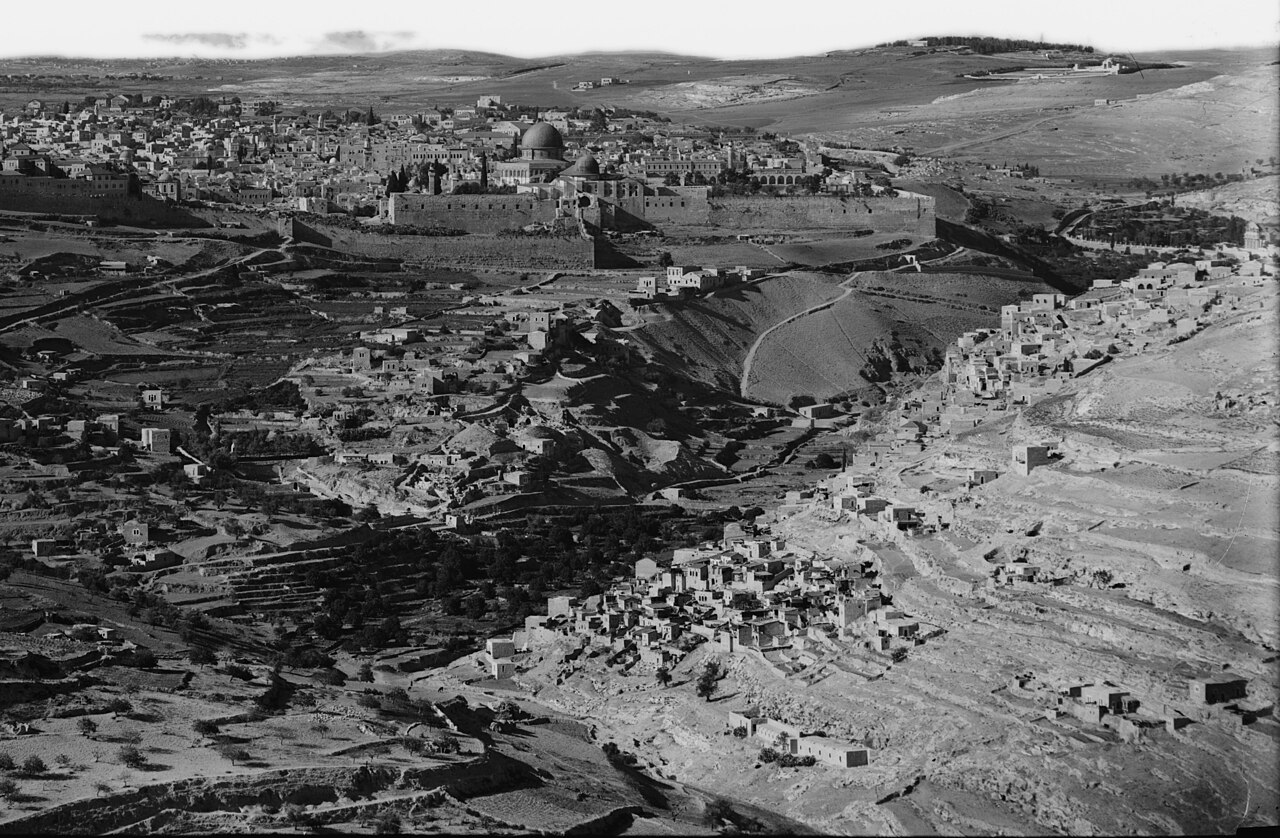
Flat-roofed houses on the City of David slope; Neo-Hittite states in Syria in the 10th century BC.
Testing the discoveries
The setting fits; the events are known only from Samuel.
The strongest reconstruction
A court narrative remarkable for exposing the king's crime.
What remains possible
How the story was preserved in a royal court.
What the evidence shows
- Bathsheba seduced David. Nothing in the text supports this; the king's messengers take her.Source: R. Graybill, Texts after Terror (2021), chapter on Bathsheba ↗
- Uriah was one of David's elite warriors. 2 Samuel 23:39.
- "The thing that David had done displeased the LORD."
Continue the journey
Echoes Across CivilizationsWomen who save and women who sufferHow do other ancient traditions portray women as deliverers and as victims of war?More from this lesson
Echoes Across Civilizations
Optional: how other ancient peoples told similar stories. Open one to compare, then come back to the lesson.
Women who save and women who sufferJewish (Hellenistic) · Egyptian and Ugaritic · Greek
How do other ancient traditions portray women as deliverers and as victims of war?
- Jewish (Hellenistic): Judith Shared literary world
- Egyptian and Ugaritic: Warrior goddesses Anat and Astarte Resemblance only
- Greek: Trojan Women Similar human experience
Why this matters to the rest of Scripture
- The king must not multiply wives.
- Murder, adultery, coveting.
- Uriah among the thirty.
- "Her that had been the wife of Urias."