Era 6 · The First Kings2 Samuel
Jerusalem Becomes David's City
"David took the strong hold of Zion: the same is the city of David"
"Behold, we are thy bone and thy flesh… The LORD said to thee, Thou shalt feed my people Israel." The elders anoint David king over Israel. "David was thirty years old when he began to reign, and he reigned forty years."
The Jebusites say: "Except thou take away the blind and the lame, thou shalt not come in hither." "Nevertheless David took the strong hold of Zion: the same is the city of David." "Whosoever getteth up to the gutter [tsinnor], and smiteth the Jebusites, and the lame and the blind, that are hated of David's soul…" "Wherefore they said, The blind and the lame shall not come into the house."
"And Hiram king of Tyre sent messengers to David, and cedar trees, and carpenters, and masons: and they built David an house." David takes more wives and concubines in Jerusalem. The Philistines spread out in the valley of Rephaim; David asks the LORD and defeats them at Baal-perazim, and again when he hears "the sound of a going in the tops of the mulberry trees."
Jerusalem before David
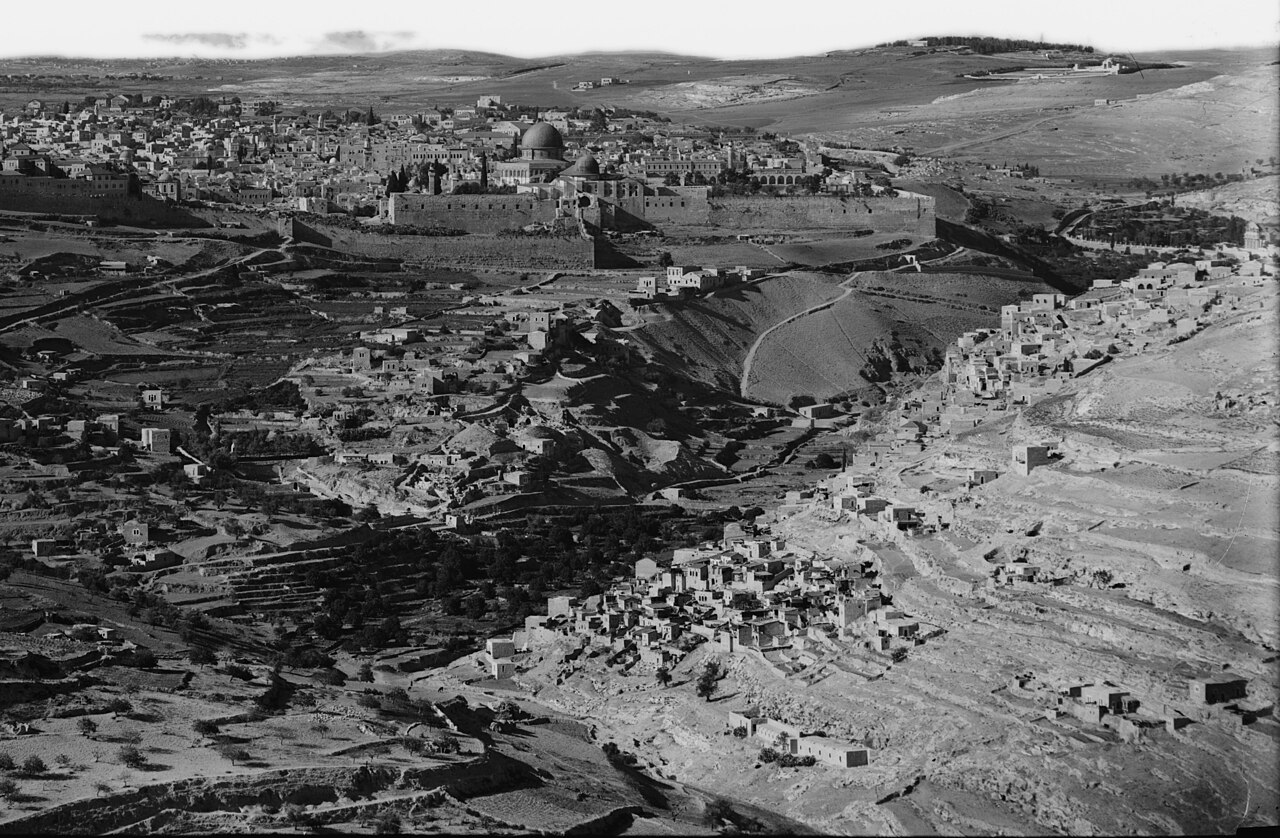
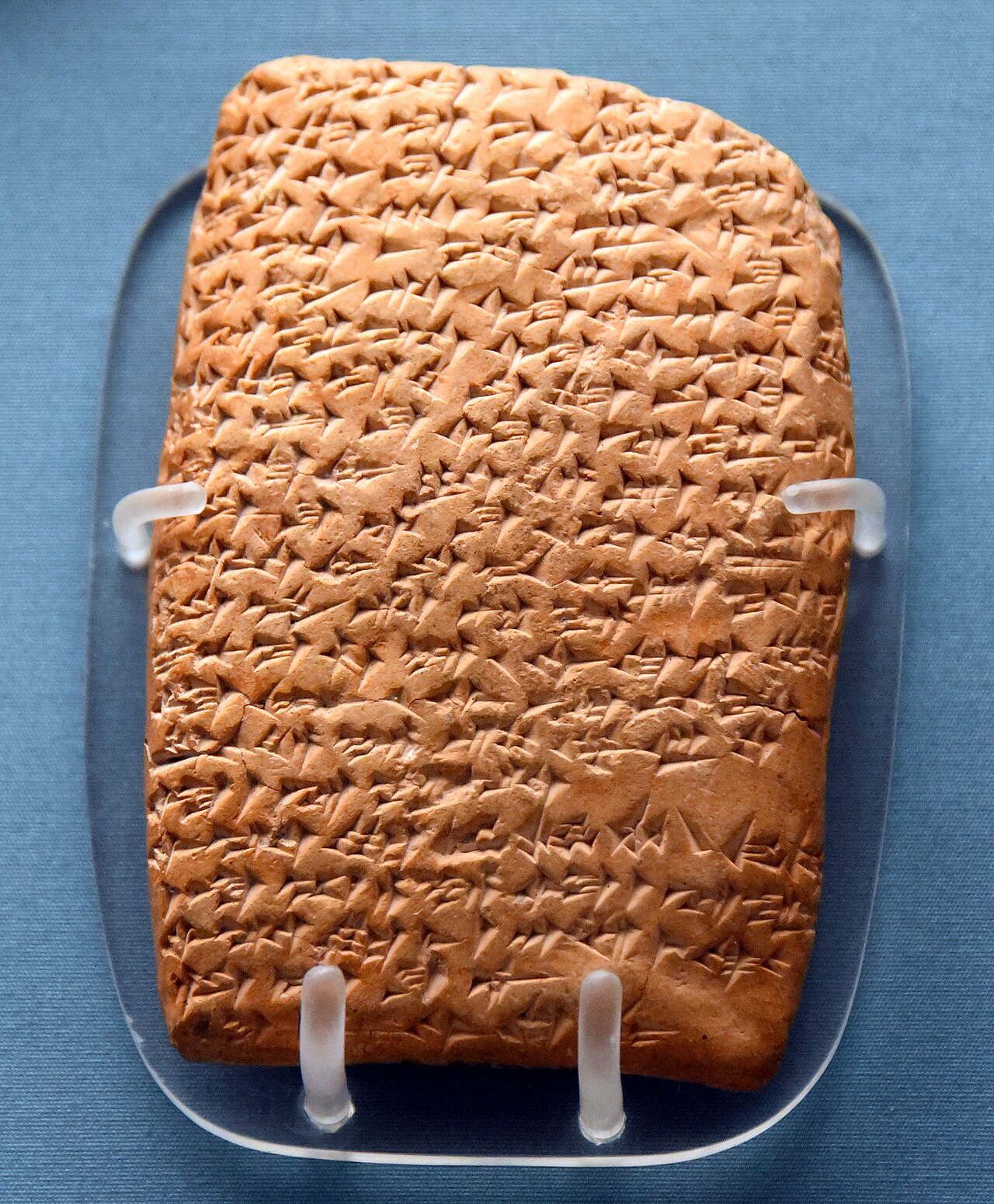
Jerusalem was a city long before David. The Amarna letters (14th century BC) include six letters from its ruler Abdi-Heba to Pharaoh. The early city lay on the narrow southeastern ridge (the City of David) above the Gihon spring.
The tsinnor
The word tsinnor ("gutter," "shaft," "conduit," or perhaps a tool or the windpipe) is unclear. Since Charles Warren's discovery in 1867, many linked it to "Warren's Shaft," a vertical shaft above the Gihon spring. Later excavations (Reich and Shukron) showed the shaft is natural and was not usable as a water shaft in the Bronze and early Iron Ages; a Middle Bronze fortified pool and towers protected the spring. Joab's route remains unknown.
The blind and the lame
The verse is obscure in Hebrew, and the Greek and Latin differ. It seems to turn the Jebusites' taunt into a proverb. Later law excluded blemished priests from the sanctuary (Leviticus 21:18); the narrator explains a saying, not endorsing contempt for disabled people. David's later kindness to lame Mephibosheth (chapter 9) stands beside it.
David's palace?
Eilat Mazar (2005–2008) excavated a "Large Stone Structure" at the top of the City of David and identified it as David's palace, built with Phoenician help. Finkelstein, Herzog, Singer-Avitz and Ussishkin dispute its date and unity; Avraham Faust argues it was an important building begun earlier. See the investigation.
The Case for the Biblical Account
Scripture's account
David captures Jerusalem (2 Samuel 5).
What evidence would we expect?
A pre-Israelite Jerusalem; a fortress near the spring; Phoenician contacts.
The discoveries
Abdi-Heba's Amarna letters; Middle Bronze fortifications around the Gihon; the Stepped Stone Structure and Large Stone Structure; Phoenician building techniques later.
Testing the discoveries
Jebusite Jerusalem is real; the capture is known only from the Bible; the palace identification is disputed.
The strongest reconstruction
David made an old Canaanite city his capital.
What remains possible
The size of 10th-century Jerusalem; the meaning of tsinnor.
What the evidence shows
- Jerusalem was a city-state in the 14th century BC.Source: J. Magness, Jerusalem through the Ages (2024), "Jebusite Jerusalem" ↗
- Joab climbed Warren's Shaft. The shaft was not accessible in this period.
- The Large Stone Structure was David's palace.Source: City of David, "King David's Palace" (the excavators' interpretation; disputed) ↗; I. Finkelstein, L. Singer-Avitz, Z. Herzog and D. Ussishkin, "Has King David's Palace in Jerusalem Been Found?" Tel Aviv 34 (2007) ↗; A. Faust, "The Large Stone Structure in the City of David: A Reexamination" (2010) ↗
Continue the journey
Journey of a Passage2 Samuel 5:6–8: The tsinnor and the blind and the lameDavid's words before taking Jerusalem are obscure in Hebrew.More from this lesson
On the map
Location securely identified Probable identification Proposed or debated location Biblical route (roads schematic) Scholarly proposal
- From Hebron to Jerusalem. David reigns seven and a half years at Hebron, then takes Jerusalem. Schematic.
Investigations
Optional deep dives: the ancient sources, the physical evidence, and every interpretation side by side, including unconventional ones, each labeled for what it is.
Was David's Palace Found?Structure: documented · Date: disputed · Identification as David's palace: disputed
Is the Large Stone Structure in the City of David the palace Hiram built for David?
Eilat Mazar excavated massive walls at the top of the City of David (2005–2008) and identified them as David's palace, built with Phoenician help. Other archaeologists dispute the date, argue the walls belong to different structures and periods, or date the building earlier than David. The structure is real; its identification is not settled.
Open the full investigation →Why this matters to the rest of Scripture
- Judah could not drive out the Jebusites.
- The Jebusites dwell in Jerusalem.
- Joab first up; becomes chief.
- "Mount Zion… the city of the great King."