Era 6 · The First Kings2 Samuel
David's Wars and Officials
"The LORD preserved David whithersoever he went"
"David smote the Philistines, and subdued them." He defeats Moab, makes the captives lie on the ground and measures them with a line: "even with two lines measured he to put to death, and with one full line to keep alive." The Moabites become his servants and bring tribute.
He defeats Hadadezer king of Zobah "as he went to recover his border at the river"; takes 1,700 horsemen and 20,000 footmen (Hebrew), hamstrings the chariot horses but keeps a hundred. He kills 22,000 Arameans of Damascus and puts garrisons there. Toi king of Hamath sends gifts of silver, gold and bronze. He gets a name "when he returned from smiting of the Syrians in the valley of salt."
"And David reigned over all Israel; and David executed judgment and justice unto all his people." Joab is over the army; Jehoshaphat recorder; Zadok and Ahimelech priests; Seraiah scribe; Benaiah over the Cherethites and Pelethites; "and David's sons were chief rulers [kohanim, priests]."
How large was David's kingdom?
The text describes control or influence from Philistia to Edom and Aram. Archaeology confirms Moab, Edom, Aram-Damascus and Zobah as real regions and polities, but no inscription records David's campaigns, and the scale of a 10th-century empire is strongly debated. The atlas shows these regions as reported in the Bible, not as proven borders.
The numbers (8:4)
The Hebrew has 1,700 horsemen and 20,000 foot; 1 Chronicles 18:4 and the library's Greek have 1,000 chariots, 7,000 horsemen and 20,000 foot. 4QSam-a is reported to agree with the Greek. See the passage page.
Cherethites and Pelethites
David's bodyguard: probably Cretans and Philistines (Pelethites, perhaps a form of Pelishtim), foreign mercenaries loyal to the king rather than to any tribe.
Priests
"David's sons were priests" (kohanim) is surprising; 1 Chronicles 18:17 says they were "chief about the king." Readers suggest a broader meaning of kohen as royal official, or a change in later tradition.
The Case for the Biblical Account
Scripture's account
David's victories and officials (2 Samuel 8).
What evidence would we expect?
Iron Age polities in Transjordan and Syria; signs of Israelite power.
The discoveries
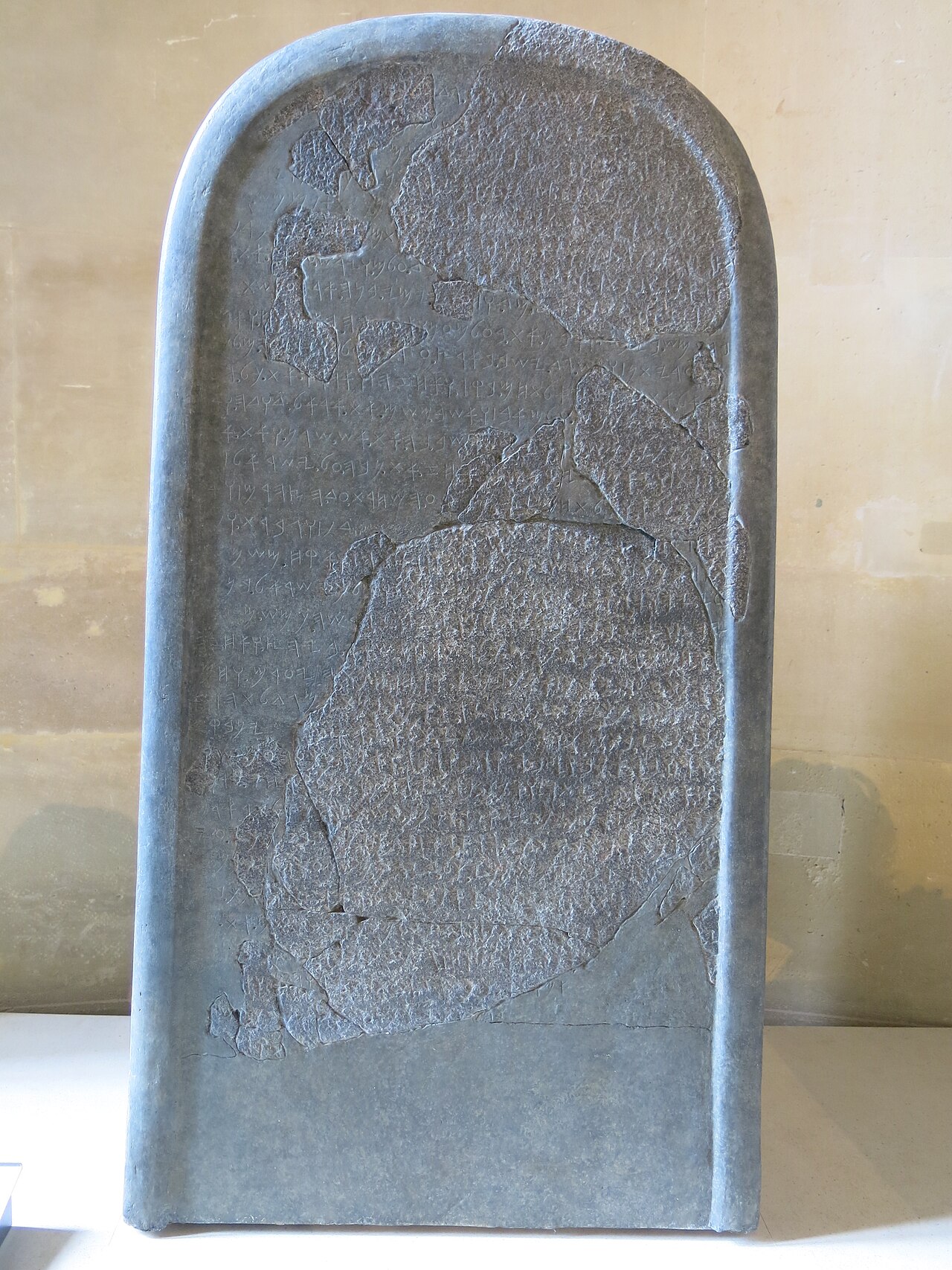
Moab and Aram well attested in the 9th century BC (Mesha Stele, Tel Dan Stele); copper production at Timna and Faynan in Edom in the 10th century BC.
Testing the discoveries
The polities are real; David's campaigns are not independently attested.
The strongest reconstruction
A summary of David's wars, likely enlarged in later memory.
What remains possible
The true extent of David's control.
What the evidence shows
- Moab, Edom, Zobah and Aram-Damascus were real Iron Age polities.
- David ruled an empire from Egypt's border to the Euphrates.
- The library's Greek has 1,000 chariots and 7,000 horsemen in 8:4. Giguet's French.
Continue the journey
Journey of a Passage2 Samuel 8:4; 10:18: Horsemen and chariots: Samuel, the Greek and ChroniclesIn 8:4 the Hebrew has 1,700 horsemen; the library's Greek and 1 Chronicles 18:4 have 1,000 chariots and 7,000 horsemen.More from this lesson
Why this matters to the rest of Scripture
- The parallel.
- "A Star out of Jacob… shall smite the corners of Moab."
- A second list of officials.
- Titled "when he strove with Aram… and Joab… smote of Edom in the valley of salt."