Era 6 · The First Kings2 Samuel
Investigation: The Davidic Covenant and Its Later Interpretations
From Nathan's oracle to the Psalms, the prophets, Qumran and the Gospels
2 Samuel 7 promises David a son who will build God's house, and a throne established forever. When the Davidic kings fell to Babylon in 586 BC, Israel had to ask what "forever" meant.
| Text | How it reads the promise |
|---|---|
| 2 Samuel 7:14–16 | Sons will be disciplined; the mercy will not depart |
| 1 Kings 2:4; 9:4–7 | "If thy children take heed to their way": conditional |
| Psalm 89 | Unconditional; laments its apparent failure |
| Psalm 132:11–12 | Sworn to David; conditional for his sons |
| Isaiah 9:6–7; 11:1–10 | A future son of David ruling in justice |
| Jeremiah 33:17–26 | As sure as day and night |
| 4QFlorilegium (Qumran) | Applied to the "branch of David" at the end of days |
| Luke 1:32–33; Acts 2:30; Hebrews 1:5 | Fulfilled in Jesus |
Royal grants
Moshe Weinfeld compared the covenant with ancient royal grants of land and dynasty to loyal servants. Others argue the parallels are loose and the literary layers complex. The comparison illuminates; it does not prove dependence.
Bayit
The wordplay on "house" (building, temple, dynasty) carries the theology: God, not David, builds the lasting house.
What the evidence shows
- Later biblical texts read the promise both conditionally and unconditionally.
- 2 Samuel 7 is modeled on royal grants.Source: "Ancient Near Eastern Royal Grants and the Davidic Covenant: A Parallel?" JAOS 116 (1996) ↗
- Qumran texts applied 2 Samuel 7 to a future Davidic figure. 4Q174 (Florilegium).
- The promise is fulfilled in Jesus.
Continue the journey
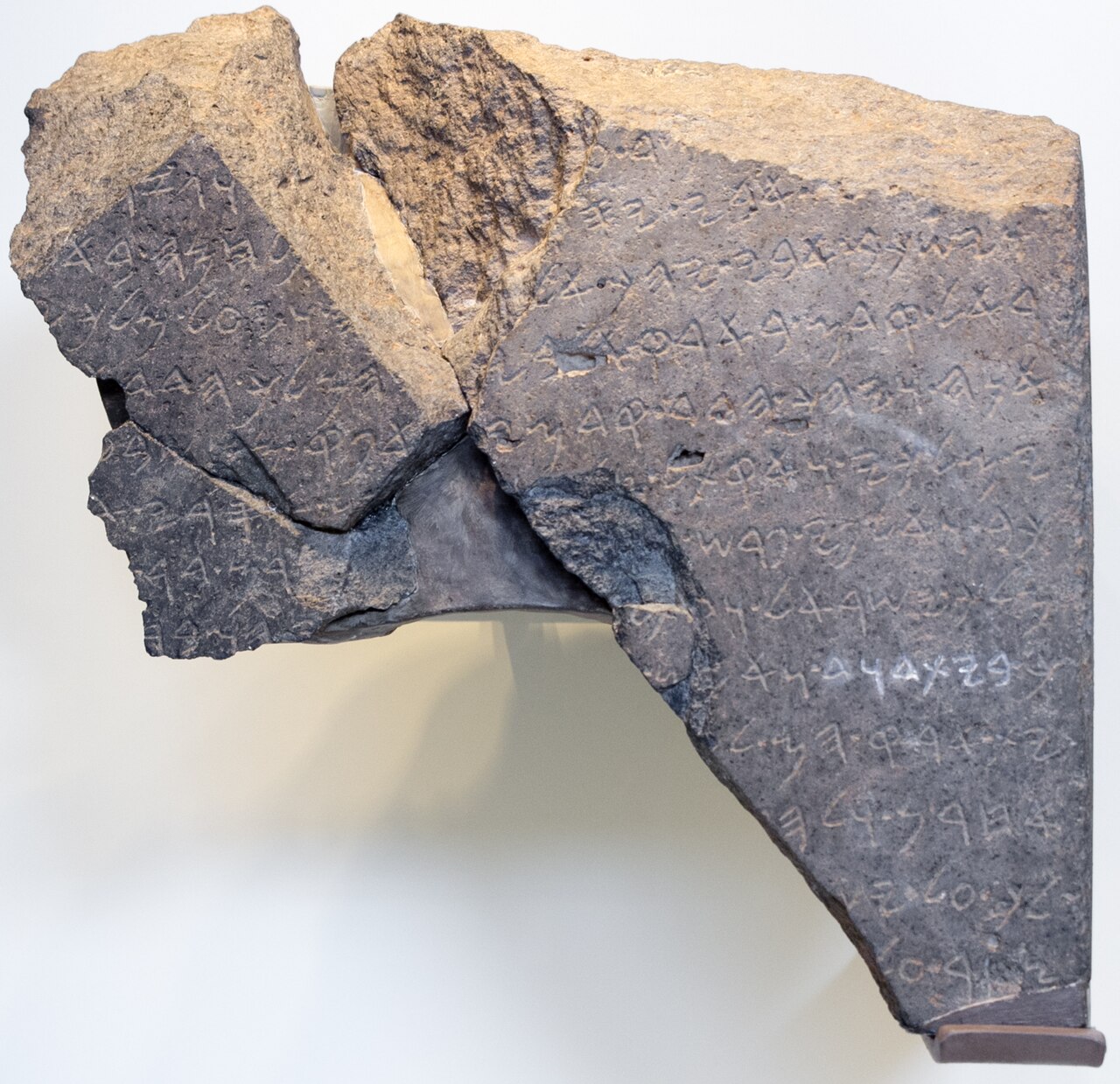
Ancient MysteriesThe "House of David" on the Tel Dan SteleDoes an inscription outside the Bible name David's dynasty?More from this lesson
Investigations
Optional deep dives: the ancient sources, the physical evidence, and every interpretation side by side, including unconventional ones, each labeled for what it is.
The "House of David" on the Tel Dan SteleInscription: documented · Reading "House of David": widely accepted · Events of David's own reign: not recorded
Does an inscription outside the Bible name David's dynasty?
Fragments of a basalt victory stele found at Tel Dan in 1993–1994 record an Aramaean king, probably Hazael (c. 840 BC), boasting of killing a king of Israel and a king of the "House of David" (bytdwd). Most scholars accept the reading. It is the earliest undisputed mention of David's dynasty outside the Bible, about 150 years after David.
Open the full investigation →Psalm 89: The Promise to David and the Fall of the MonarchyLink to 2 Samuel 7: documented · Setting in 586 BC: plausible · Composition date: unknown
What does Psalm 89 describe, and when was it written?
Psalm 89 recites God's oath that David's line will last "as the days of heaven," then laments a king whose crown is in the dust, walls broken, youth cut short: "Thou hast made void the covenant of thy servant." Two questions must be kept apart: the situation the poem describes (a defeated Davidic king), and the date the poem, or its parts, were composed. The fall of Jerusalem in 597–586 BC is the most common setting proposed; other proposals exist, and the psalm may combine older material with a later lament.
Open the full investigation →Echoes Across Civilizations
Optional: how other ancient peoples told similar stories. Open one to compare, then come back to the lesson.
A god's promise of a royal dynastyHittite and Assyrian · Egyptian · Assyrian
Did other ancient kings claim that a god promised their dynasty would last?
- Hittite and Assyrian: Royal land grants to loyal servants Shared literary world
- Egyptian: The king as son of the god Resemblance only
- Assyrian: Oracles to Esarhaddon Possible historical contact
Why this matters to the rest of Scripture
- Psalm 89:3–4, 38–51Promise and lament.
- "A rod out of the stem of Jesse."
- "The throne of his father David."
- "Made of the seed of David."