Era 6 · The First Kings2 Samuel
How 2 Samuel Came to Us
The second half of one Hebrew book, a court history, and a Greek text revised toward the Hebrew
In Hebrew tradition, Samuel is one book; its division into two follows the Greek "1 and 2 Kingdoms" (Reigns), and the Latin "1 and 2 Kings." The Talmud attributes the book to Samuel, with Gad and Nathan completing it; 2 Samuel takes place entirely after Samuel's death.
The Court History
Since Leonhard Rost (1926), scholars have spoken of a "Succession Narrative" or "Court History" in 2 Samuel 9–20 and 1 Kings 1–2, telling who would succeed David. Its frank portrayal of the king's sins has led some to date it early, close to the events; others think it was written later, even as a critique of the monarchy. Its extent and purpose are debated.
The appendix
Chapters 21–24 are arranged in a ring: a story (famine, 21:1–14), a list of warriors (21:15–22), a poem (22), a poem (23:1–7), a list of warriors (23:8–39), a story (plague, 24). Their events come from different points in David's reign.
The witnesses
| Witness | Kind | Date | Notes |
|---|---|---|---|
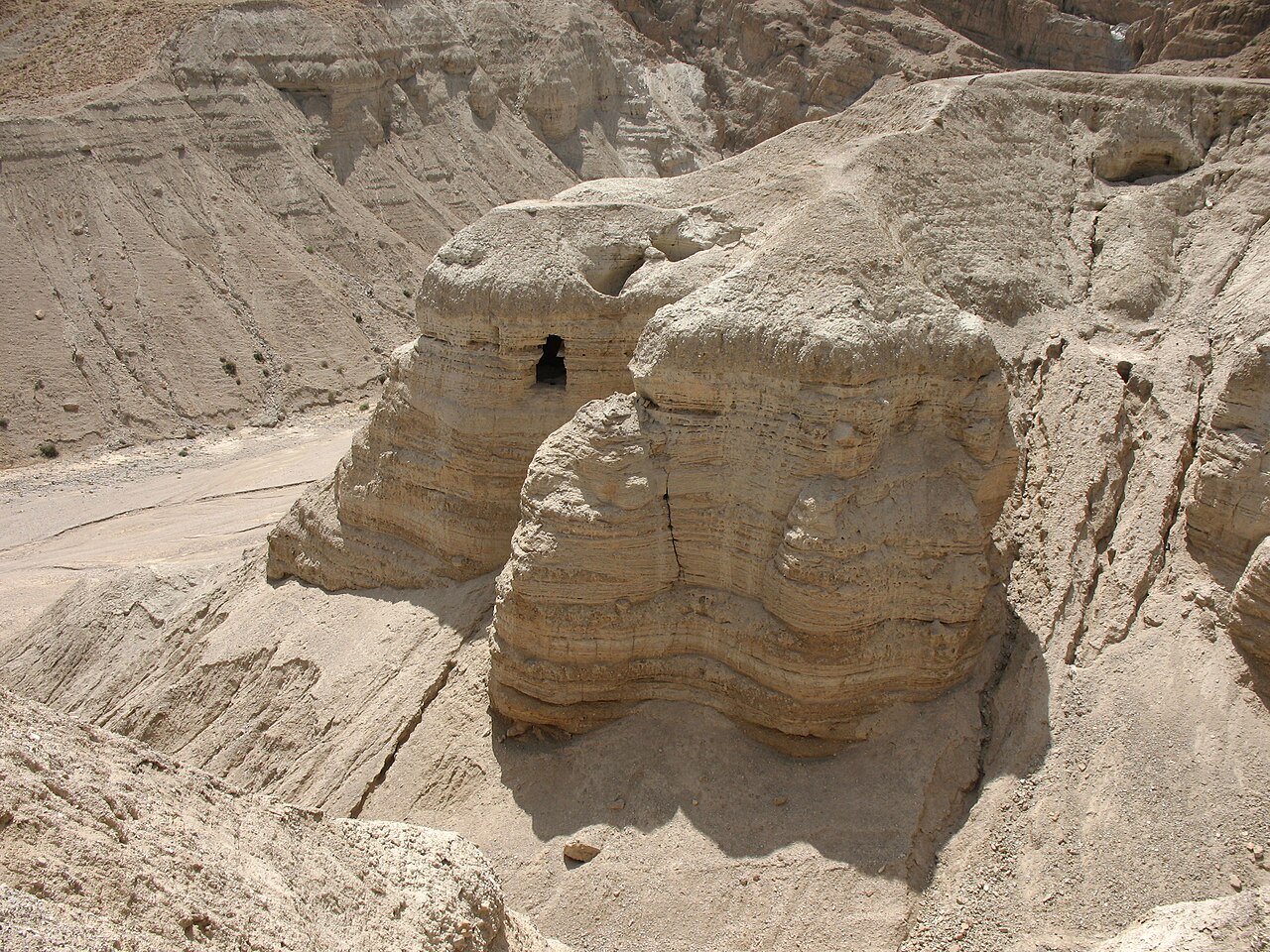
| 4QSam-a (4Q51) | Hebrew, fragments | Mid-1st c. BC | Many chapters of 2 Samuel, though less than a tenth of the scroll survives; often agrees with the Greek |
| 4QSam-c (4Q53) | Hebrew, fragments | Early 1st c. BC | Parts of 2 Samuel 14–15 (to verify) |
| 1QSam (1Q7) | Hebrew, fragments | 1st c. BC–1st c. AD (to verify) | Parts of 2 Samuel 20–23 (to verify) |
| Codex Vaticanus | Greek | 4th c. AD | Old Greek through 11:1; kaige revision from 11:2 into 1 Kings |
| Lucianic (Antiochene) manuscripts | Greek | Medieval manuscripts of an ancient text | Often preserve the Old Greek in the kaige section (e.g. "four years" in 15:7) |
| Josephus, Antiquities 7 | Greek retelling | c. AD 93 | Used a text close to 4QSam-a and the Lucianic Greek |
| Vulgate | Latin from Hebrew | c. AD 400 | Follows the Hebrew |
| Leningrad Codex | Hebrew, Masoretic | AD 1008 | Basis of BHS |
The kaige problem
Dominique Barthélemy showed in 1963 that parts of Samuel–Kings in Codex Vaticanus are not the Old Greek but a 1st-century revision toward the Hebrew, called kaige after its habit of translating Hebrew gam ("also") as kaige. In 2 Samuel the kaige section begins at 11:2. In that section, the library's Greek (Giguet, a Vaticanus-type text) often agrees with the Masoretic Text for that reason, while the older Greek may survive in the Lucianic manuscripts. A French translation of one Greek manuscript type cannot stand for "the Greek" here.
What the evidence shows
- Samuel was one book in Hebrew tradition.
- Codex Vaticanus has the kaige revision from 2 Samuel 11:2.Source: E. Tov, on the Greek revisions of Samuel–Kings (1999) ↗; Jong-Hoon Kim, "Textual Forms of Greek Samuel–Kings" (kaige and Antiochene) ↗
- 4QSam-a often agrees with the Greek against the Masoretic Text.Source: F. M. Cross et al., Qumran Cave 4.XII: 1–2 Samuel (DJD XVII, 2005)
- The Court History was written by an eyewitness.
Then and Later
2 Samuel, then and later
- c. 1000 BCDavid's reign The setting (conventional date).
- MonarchyCourt History and poems Sources gathered.
- ExileEdited history Part of Joshua–Kings.
- 4th c. BCChronicles Retells David's reign.
- 1st c. BCQumran 4QSam-a, 4QSam-c, 1QSam.
- 1st c. ADKaige revision Greek revised toward the Hebrew from 11:2.
- AD 1008Leningrad Codex The complete Hebrew text.
Continue the journey
Journey of a Passage2 Samuel 15:7: After forty years, or four?Absalom asks leave to go to Hebron "at the end of forty years." The Hebrew, the library's Greek and the Vulgate all say forty.More from this lesson
Why this matters to the rest of Scripture
- Samuel, Nathan and Gad.
- The end of the Court History.
- David's song.
Sources to explore
- M. A. Sweeney, 1–2 Samuel (Cambridge), introduction ↗
- E. Tov, on the Greek revisions of Samuel–Kings (1999) ↗
- Jong-Hoon Kim, "Textual Forms of Greek Samuel–Kings" (kaige and Antiochene) ↗
- NET Bible, note on 2 Samuel 15:7 (four or forty) ↗
- The Jewish Museum, "Tel Dan Stele" ↗
Overviews are a starting point. Each links onward to the primary sources and specialist studies behind it.