"Behold, here I am: witness against me before the LORD, and before his anointed: whose ox have I taken? or whose ass have I taken? or whom have I defrauded?" "Thou hast not defrauded us, nor oppressed us."
Samuel recounts how God sent Moses and Aaron, and when Israel forgot Him, sold them to Sisera, the Philistines and Moab; and when they cried, sent Jerubbaal, Bedan, Jephthah and Samuel. "Now therefore behold the king whom ye have chosen." If king and people follow the LORD, well; if not, "then shall the hand of the LORD be against you."
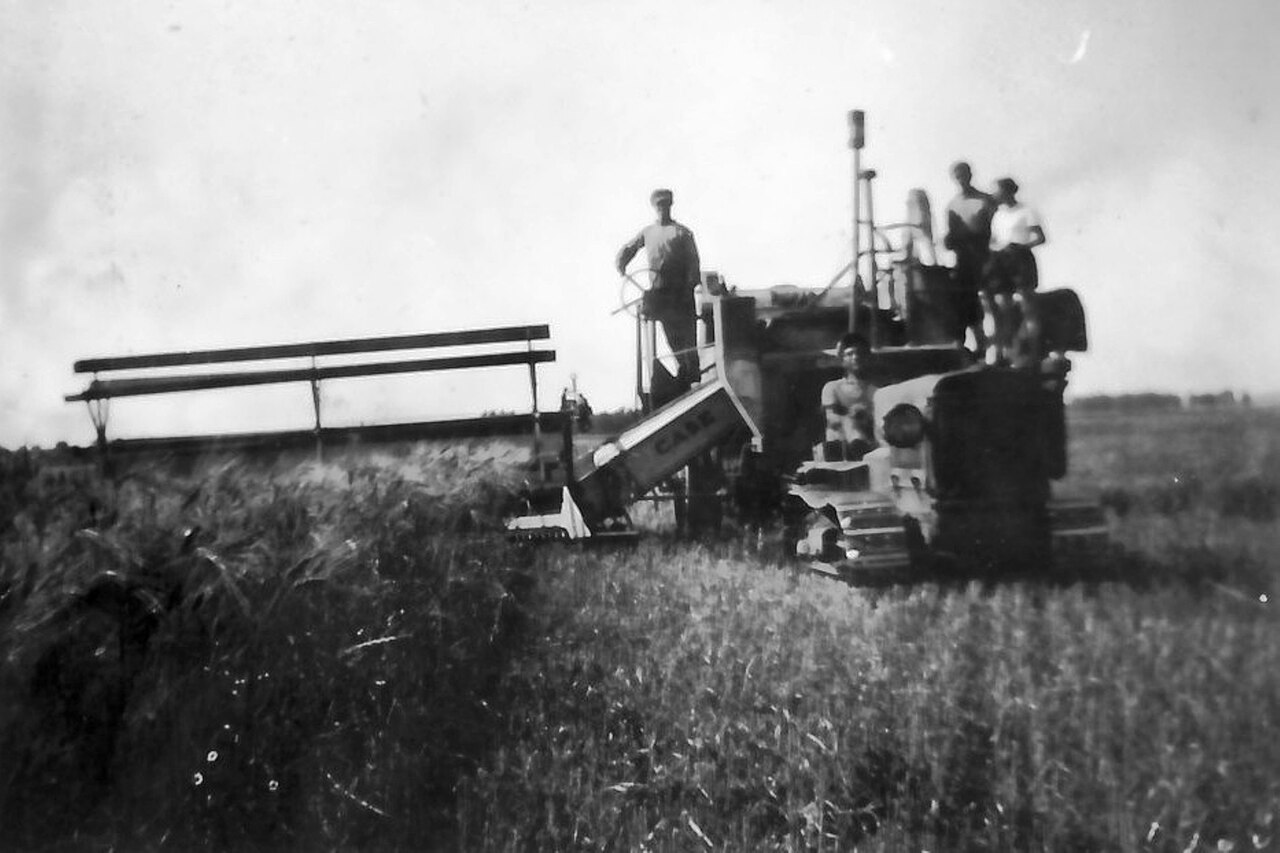
"Is it not wheat harvest to day? I will call unto the LORD, and he shall send thunder and rain." "And the LORD sent thunder and rain that day: and all the people greatly feared." "Pray for thy servants." "Fear not… turn not aside… God forbid that I should sin against the LORD in ceasing to pray for you."
Rain at wheat harvest
In the land of Israel the rains end by April; wheat harvest in May–June is dry. A thunderstorm then would be unusual and could ruin the crop. The text presents it as a sign; weather records cannot test a single day.
Bedan
Samuel's list names "Bedan," unknown in Judges. The Greek and Syriac have "Barak." Some see a scribal error; others a judge otherwise unknown.
A covenant speech
Like Joshua 24, Samuel's speech recites history, calls for loyalty and warns of consequences, the pattern of Deuteronomy. Many scholars see it as one of the speeches framing the Deuteronomistic History.
The Case for the Biblical Account
Scripture's account
Samuel's farewell and the sign of thunder (1 Samuel 12).
What evidence would we expect?
A dry harvest season; covenant-speech forms.
The discoveries
The climate pattern of the southern Levant; treaty and covenant forms (see the Echo on covenants).
Testing the discoveries
The season is as described; the sign is a matter of faith.
The strongest reconstruction
A covenant renewal at the transition to monarchy.
What remains possible
The identity of Bedan.
What the evidence shows
- Wheat harvest in Israel falls in the dry season.
- "Bedan" is a corruption of Barak.
- "The LORD sent thunder and rain that day."
Continue the journey
Echoes Across CivilizationsCovenants shaped like treatiesDid ancient kings make treaties in the same shape as God's covenant at Sinai?More from this lesson
Echoes Across Civilizations
Optional: how other ancient peoples told similar stories. Open one to compare, then come back to the lesson.
Covenants shaped like treatiesHittite · Assyrian
Did ancient kings make treaties in the same shape as God's covenant at Sinai?
- Hittite: Hittite vassal treaties (e.g. Mursili II with Duppi-Teshub of Amurru; Suppiluliuma I with Shattiwaza) Possible historical contact
- Assyrian: The Succession Treaty of Esarhaddon (Vassal Treaties of Esarhaddon) Possible historical contact
Why this matters to the rest of Scripture
- Joshua's covenant speech.
- Life and death set before Israel.
- "As rain in harvest."