Era 6 · The First Kings1 Samuel
David Pursued; Michal's Escape Plan
"If thou save not thy life to night, to morrow thou shalt be slain"
Saul speaks to Jonathan and his servants about killing David. Jonathan pleads: "let not the king sin against his servant… for he did put his life in his hand, and slew the Philistine." "As the LORD liveth, he shall not be slain." But again the evil spirit comes, and Saul's javelin sticks in the wall.
Saul sends men to David's house to kill him in the morning. Michal: "If thou save not thy life to night, to morrow thou shalt be slain." She lets him down through a window, "and Michal took an image [teraphim], and laid it in the bed, and put a pillow of goats' hair for his bolster." "He is sick." When the trick is found she says David threatened her.
David flees to Samuel at Ramah, to Naioth. Three groups of messengers come to seize him; each meets the prophets with Samuel presiding "and they also prophesied." Saul himself goes; "the Spirit of God was upon him also… And he stripped off his clothes also, and prophesied before Samuel… and lay down naked all that day and all that night. Wherefore they say, Is Saul also among the prophets?"
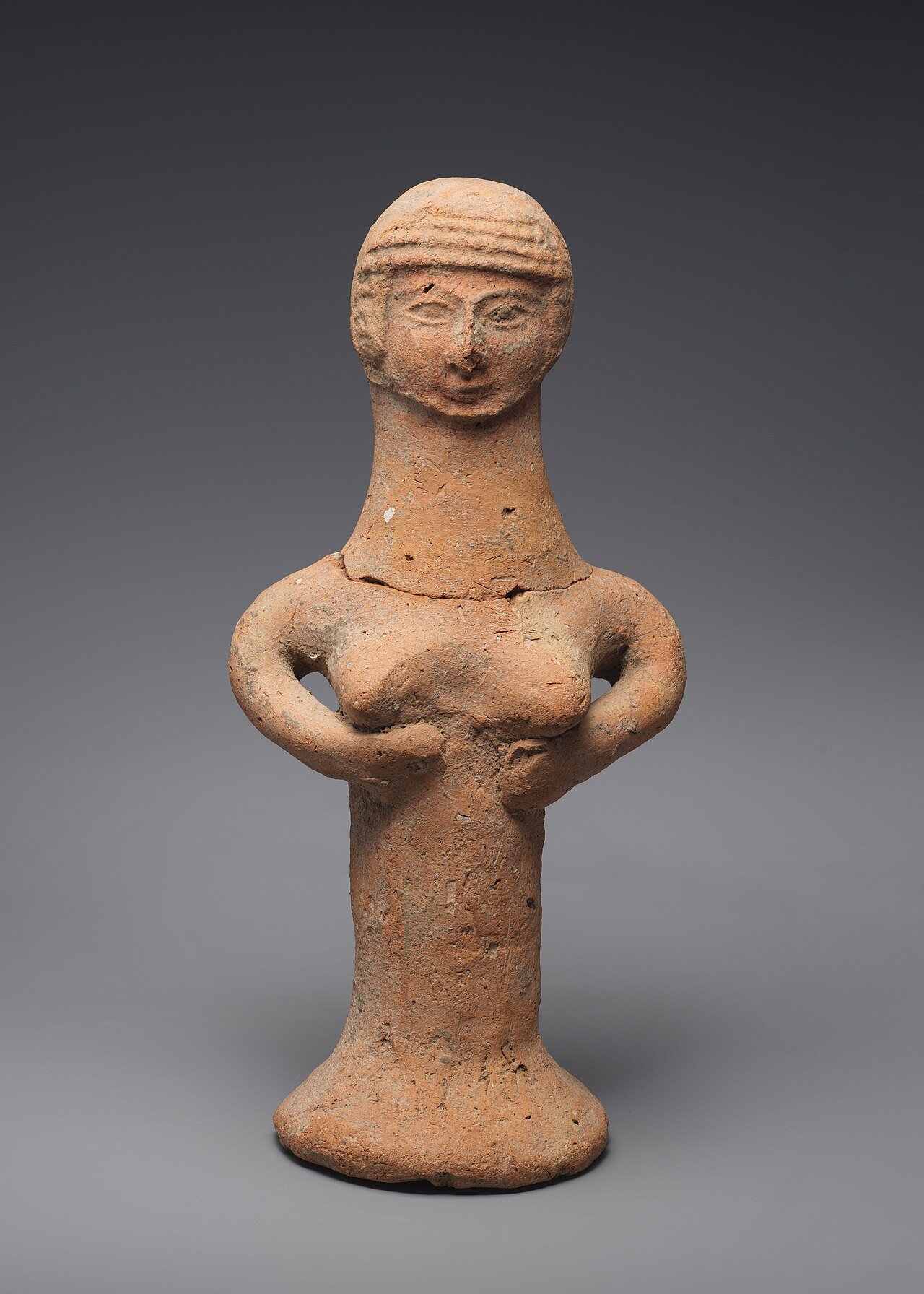
Teraphim in David's house
Teraphim, household images, appear with Rachel (Genesis 31) and Micah (Judges 17). Michal's was large enough to pass for a man in bed. That a household god was in David's house is reported without comment. No excavated figurine can be identified with these; small clay figurines are common in Iron Age houses.
"Is Saul also among the prophets?" again
The proverb is explained twice, once positively (10:11–12) and once as Saul's humiliation (19:24). Some see two traditions of the proverb's origin; others see a deliberate contrast between Saul's beginning and his decline.
Naioth
Naioth ("dwellings") may be a prophetic settlement at Ramah rather than a town name. It is not located.
The Case for the Biblical Account
Scripture's account
Saul's attempts on David's life; Michal's help; prophecy at Naioth (1 Samuel 19).
What evidence would we expect?
Household cult images; ecstatic prophetic groups.
The discoveries
Figurines and household shrines in Iron Age houses; group prophecy at Mari.
Testing the discoveries
The customs fit; the events are known only from Samuel.
The strongest reconstruction
Traditions of David's escape and Saul's humiliation.
What remains possible
Whether the two explanations of the proverb come from different sources.
What the evidence shows
- Household cult images were common in Iron Age Israel.
- An excavated object is Michal's teraphim.
- "The Spirit of God was upon him also."
Continue the journey
Connected elsewhere in ScriptureJacob's Ladder and His FamilyGenesis 31:19, 34: Rachel's teraphim.More from this lesson
On the map
Location securely identified Probable identification Proposed or debated location Biblical route (roads schematic) Scholarly proposal
- David's years as a fugitive. Gibeah → Ramah → Nob → Gath → Adullam → Keilah → the wildernesses of Ziph and Maon → En-gedi → Carmel → Gath → Ziklag. Several sites are proposals (Ramah, Nob, Ziklag); order and lines are schematic.
Why this matters to the rest of Scripture
- Rachel's teraphim.
- Rahab lets the spies down through a window.
- Titled "when Saul sent, and they watched the house to kill him."