"The word of the LORD was precious in those days; there was no open vision." Eli's eyes are growing dim. "Ere the lamp of God went out in the temple of the LORD, where the ark of God was, and Samuel was laid down to sleep… the LORD called Samuel."
"Here am I." He runs to Eli: "Here am I; for thou calledst me." "I called not; lie down again." Three times. "Eli perceived that the LORD had called the child." "Go, lie down: and it shall be, if he call thee, that thou shalt say, Speak, LORD; for thy servant heareth."
"And the LORD came, and stood, and called as at other times, Samuel, Samuel." The message: "I will do a thing in Israel, at which both the ears of every one that heareth it shall tingle"; Eli's house will be judged. In the morning Samuel fears to tell Eli. Eli insists. "It is the LORD: let him do what seemeth him good." "And all Israel from Dan even to Beersheba knew that Samuel was established to be a prophet."
Seer and prophet
1 Samuel 9:9 notes that "he that is now called a Prophet (navi) was beforetime called a Seer (ro'eh)." Samuel is called both. Prophets in Mari, Assyria and elsewhere also delivered divine messages to kings; Israel's prophets are distinctive in the moral demands they make of kings and priests.
A night in the sanctuary
Sleeping in a temple to receive a revelation (incubation) is known from Mesopotamia, Egypt and Greece. Samuel does not seek a dream; he hears a voice and is called, like Moses (Exodus 3:4), Isaiah (6:8) and Jeremiah (1:4–10).
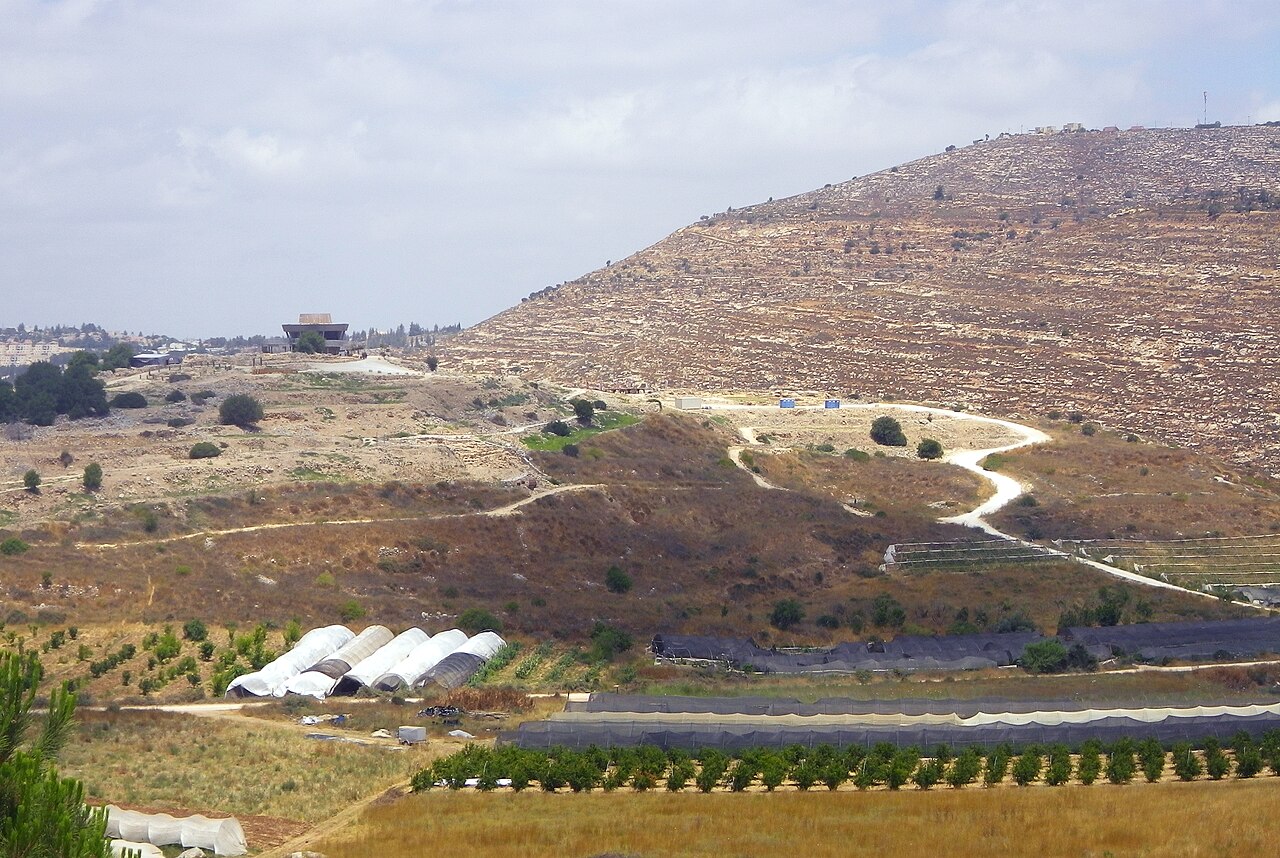
The temple at Shiloh
The text speaks of a "temple" (heikhal) with doors (3:15) at Shiloh, not only a tent. Whether this was a building or a tent within an enclosure is debated; no room at the site is identified as Samuel's.
The Case for the Biblical Account
Scripture's account
God calls Samuel at night in Shiloh (1 Samuel 3).
What evidence would we expect?
Prophetic figures in the ancient Near East; a sanctuary at Shiloh.
The discoveries
Prophetic letters from Mari (18th century BC); Assyrian prophetic oracles; the Iron I site of Shiloh.
Testing the discoveries
Prophecy as an institution is well documented; Samuel's call is a matter of the text and faith.
The strongest reconstruction
The authoritative call narrative of Israel's prophet-judge.
What remains possible
The form of the Shiloh sanctuary.
What the evidence shows
- Prophets delivered divine messages to rulers elsewhere in the ancient Near East.
- "The LORD came, and stood, and called."
- The voice was a technological phenomenon. A modern speculation with no evidence.
Continue the journey
Echoes Across CivilizationsSeers, prophets and curses for hireDid kings in Israel's world hire seers and prophets, and curse their enemies?More from this lesson
Echoes Across Civilizations
Optional: how other ancient peoples told similar stories. Open one to compare, then come back to the lesson.
Seers, prophets and curses for hireTransjordan · Mari · Egypt · Assyria
Did kings in Israel's world hire seers and prophets, and curse their enemies?
- Transjordan: The Deir Alla plaster inscription ("the book of Balaam son of Beor") Possible historical contact
- Mari: The prophetic letters of Mari Shared literary world
- Egypt: The Execration Texts Resemblance only
- Assyria: Neo-Assyrian prophecies to Esarhaddon Possible historical contact
Why this matters to the rest of Scripture
- "Moses, Moses." "Here am I."
- "Here am I; send me."
- Jeremiah's call as a youth.
- A famine of hearing the words of the LORD.