Kish, a Benjaminite, "a mighty man of power," has a son Saul, "a choice young man, and a goodly… from his shoulders and upward he was higher than any of the people." The donkeys are lost. Saul and a servant search through Ephraim and Benjamin. "Come, and let us return." The servant: "there is in this city a man of God… all that he saith cometh surely to pass." He has a quarter shekel of silver to give.
"Beforetime in Israel, when a man went to enquire of God, thus he spake, Come, and let us go to the seer: for he that is now called a Prophet was beforetime called a Seer." The day before, the LORD had told Samuel: "To morrow about this time I will send thee a man out of the land of Benjamin, and thou shalt anoint him to be captain over my people Israel… for I have looked upon my people, because their cry is come unto me."
"Behold the man whom I spake to thee of!" Samuel tells Saul the donkeys are found, and asks, "on whom is all the desire of Israel? Is it not on thee?" Saul protests: "Am not I a Benjamite, of the smallest of the tribes?… my family the least?" Samuel seats him at the head of thirty guests at the high place and gives him the reserved portion. In the morning he sends the servant ahead: "stand thou still a while, that I may shew thee the word of God."
Seer and prophet
The narrator's note (9:9) explains an older word for a man of God, so the story was written down when "seer" had gone out of use. Paying a seer for help was normal; the servant's quarter shekel of silver would have been weighed, since coins did not yet exist.
Where?
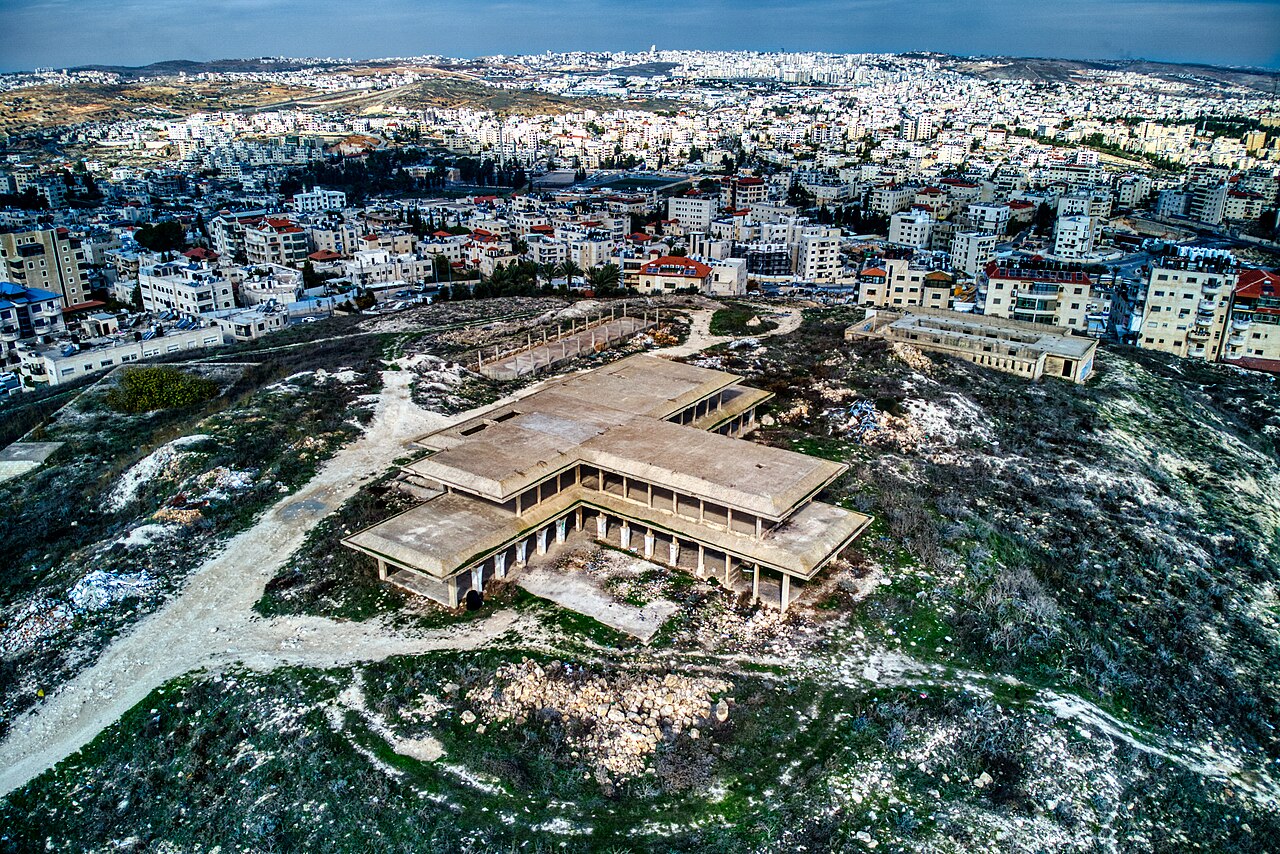
The route through "the land of Shalisha," "Shalim" and "Zuph" cannot be mapped with confidence. Saul's home, Gibeah of Benjamin (later "Gibeah of Saul"), is usually placed at Tell el-Ful, debated. Samuel's town, Ramah, is often placed at er-Ram; the town of chapter 9 is not named.
The high place
Samuel blesses a sacrifice at a bamah, a local hilltop sanctuary, with a hall for thirty guests. Such local sanctuaries were common before the temple; later kings were condemned for them.
The Case for the Biblical Account
Scripture's account
Saul meets Samuel while looking for donkeys (1 Samuel 9).
What evidence would we expect?
Benjaminite villages; local sanctuaries; payment by weighed silver.
The discoveries
Iron I villages in Benjamin; hacksilver hoards; open-air cult places.
Testing the discoveries
The setting fits; Saul is not named in any inscription.
The strongest reconstruction
A folk-tale-like account of how Israel's first king was found.
What remains possible
The identity of Ramah and the route.
What the evidence shows
- Silver was weighed for payment before coinage.
- Saul is named in an inscription.
- Gibeah is Tell el-Ful.
Continue the journey
Echoes Across CivilizationsSeers, prophets and curses for hireDid kings in Israel's world hire seers and prophets, and curse their enemies?More from this lesson
Echoes Across Civilizations
Optional: how other ancient peoples told similar stories. Open one to compare, then come back to the lesson.
Seers, prophets and curses for hireTransjordan · Mari · Egypt · Assyria
Did kings in Israel's world hire seers and prophets, and curse their enemies?
- Transjordan: The Deir Alla plaster inscription ("the book of Balaam son of Beor") Possible historical contact
- Mari: The prophetic letters of Mari Shared literary world
- Egypt: The Execration Texts Resemblance only
- Assyria: Neo-Assyrian prophecies to Esarhaddon Possible historical contact
Why this matters to the rest of Scripture
- Benjamin nearly destroyed.
- "I have surely seen the affliction of my people."
- "Saul the son of Cis, a man of the tribe of Benjamin."