Era 4 · Covenant and WildernessNumbers
The Second Census
"There was not left a man of them, save Caleb… and Joshua"
"After the plague… the LORD spake unto Moses and unto Eleazar the son of Aaron the priest, saying, Take the sum of all the congregation… from twenty years old and upward." Eleazar now stands where Aaron stood at the first count.
This time Numbers lists the clans of each tribe, named after Jacob's grandsons and great-grandsons: "of Hanoch, the family of the Hanochites: of Pallu, the family of the Palluites." The list pauses to remember Dathan and Abiram, swallowed by the earth, and adds: "Notwithstanding the children of Korah died not." It names Zelophehad of Manasseh, who "had no sons, but daughters", and gives their names, which matters in the next chapter.
The total is 601,730, with 23,000 Levites. The land is to be divided by these numbers: "To many thou shalt give the more inheritance, and to few thou shalt give the less", but by lot.
"But among these there was not a man of them whom Moses and Aaron the priest numbered, when they numbered the children of Israel in the wilderness of Sinai. For the LORD had said of them, They shall surely die in the wilderness. And there was not left a man of them, save Caleb the son of Jephunneh, and Joshua the son of Nun."
Two counts compared
| Tribe | Numbers 1 | Numbers 26 | Change |
|---|---|---|---|
| Reuben | 46,500 | 43,730 | −2,770 |
| Simeon | 59,300 | 22,200 | −37,100 |
| Gad | 45,650 | 40,500 | −5,150 |
| Judah | 74,600 | 76,500 | +1,900 |
| Issachar | 54,400 | 64,300 | +9,900 |
| Zebulun | 57,400 | 60,500 | +3,100 |
| Ephraim | 40,500 | 32,500 | −8,000 |
| Manasseh | 32,200 | 52,700 | +20,500 |
| Benjamin | 35,400 | 45,600 | +10,200 |
| Dan | 62,700 | 64,400 | +1,700 |
| Asher | 41,500 | 53,400 | +11,900 |
| Naphtali | 53,400 | 45,400 | −8,000 |
| Total | 603,550 | 601,730 | −1,820 |
The figures in both lists add up exactly to their stated totals. Simeon's collapse stands out. The man executed by Phinehas, Zimri, was a leader of Simeon (25:14), and Jewish tradition connected the tribe's loss with the plague at Peor. Simeon later almost disappears as a separate tribe, absorbed into Judah (Joshua 19:1–9), and Moses' blessing in Deuteronomy 33 does not name it at all. Manasseh's growth matches its large share of land on both sides of the Jordan. The Levites rise from 22,000 to 23,000.
Clans and the land
The clan names mostly match the family list in Genesis 46, with differences in spelling and some names (Jemuel for Nemuel, Zerah for Zohar). Some later names, like the six clans of Manasseh, are named as territorial units in later times. The same questions about the size of the numbers raised in the first census apply here.
The Case for the Biblical Account
Scripture's account
A second census by tribe and clan on the plains of Moab; none of the Sinai generation remains except Caleb and Joshua (Numbers 26).
What evidence would we expect?
Clan names attested as real social or territorial groups; census practice in the region.
The discoveries
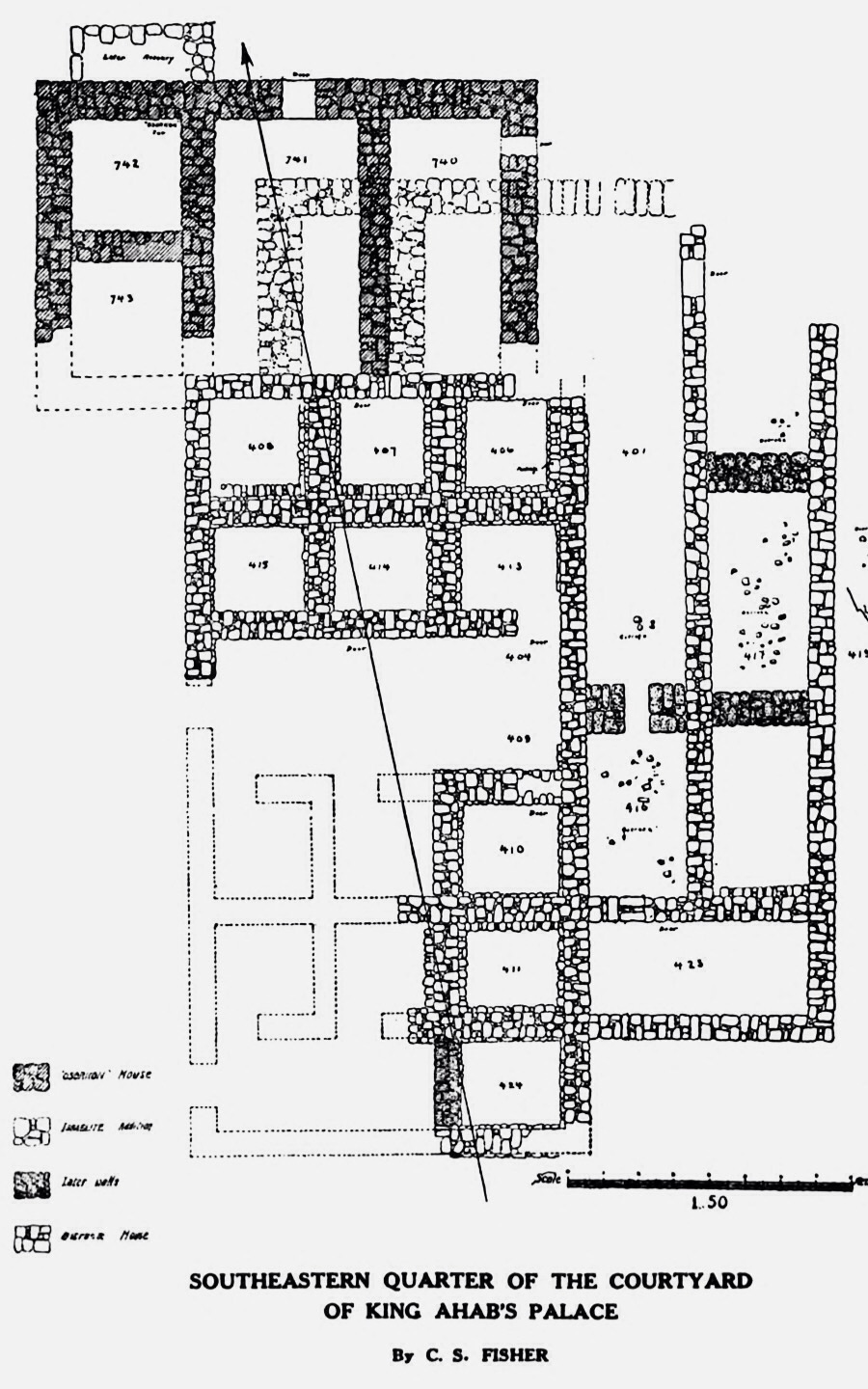
The Samaria ostraca, administrative records generally dated to the first half of the 8th century BC, many centuries after the wilderness period: receipts for wine and oil shipped to the royal capital of Israel, name districts called Abiezer, Helek, Asriel, Shechem and Shemida, all clans of Manasseh in Numbers 26:30–32 and Joshua 17:2, and Hoglah and Noah, two of the daughters of Zelophehad (26:33).
Testing the discoveries
The ostraca are securely excavated (Harvard, 1910) and read the same way by all specialists. They show these names were real territorial units in Manasseh's hill country in the 8th century. They do not confirm the census figures or the wilderness setting.
The strongest reconstruction
Numbers 26 preserves genuine clan and district names of Israel; how the totals were reached and what they meant remains debated, as with Numbers 1.
What remains possible
That the list reflects an ancient tribal register updated over time; that the numbers are literal, symbolic, or reflect units (eleph) rather than thousands.
Then and Later
The clans of Manasseh, then and later
- Plains of MoabNumbers 26. Abiezer, Helek, Asriel, Shechem, Shemida, Hepher; and the daughters of Zelophehad.
- SettlementJoshua 17. The same clans receive land; the daughters claim their share.
- JudgesGideon. Gideon is an Abiezrite.
- 8th c. BCSamaria ostraca. Shipments recorded from the districts of Abiezer, Helek, Asriel, Shechem, Shemida, Hoglah and Noah.
What the evidence shows
- The tribal figures of Numbers 26 sum to 601,730.
- The Samaria ostraca name districts matching Manasseh's clans and two daughters of Zelophehad.Source: G. A. Reisner, C. S. Fisher and D. G. Lyon, Harvard Excavations at Samaria (1924); I. T. Kaufman, The Samaria Ostraca (1966); "Samaria Ostraca" (overview) ↗
- The Samaria ostraca verify the census totals or show the census was recorded in Moses' lifetime. They are 8th-century BC administrative records; they show the clan names were in use in the kingdom of Israel then, nothing more.
- Simeon's decline is connected with the plague at Peor. A traditional reading; Numbers does not state it.
- The census totals are literal counts of fighting men.
- God's word that the Sinai generation would not enter was fulfilled.
Continue the journey
Ancient MysteriesHow Many Left Egypt?Were there really two million Israelites in the wilderness?More from this lesson
Investigations
Optional deep dives: the ancient sources, the physical evidence, and every interpretation side by side, including unconventional ones, each labeled for what it is.
How Many Left Egypt?Numbers in the text: clear · Their meaning: disputed
Were there really two million Israelites in the wilderness?
Numbers counts 603,550 fighting men, implying two million or more people. That raises questions of logistics, of Sinai's resources, of the size of Canaan's population, and within the text itself. Faithful and critical scholars have offered several solutions.
Open the full investigation →Why this matters to the rest of Scripture
- The first census.
- "Your carcases shall fall in this wilderness."
- Jacob's family going down to Egypt.
- Manasseh's clans and Zelophehad's daughters receive land.
- Moses blesses the tribes; Simeon is not named.