Era 4 · Covenant and WildernessNumbers
Tassels of Blue
"That ye may look upon it, and remember all the commandments"
"When ye be come into the land of your habitations, which I give unto you…" God gives laws for offerings of flour, oil and wine with sacrifices, and for the first dough. "One law and one manner shall be for you, and for the stranger that sojourneth with you."
There is forgiveness for sins done unknowingly, by the community or by an individual. But "the soul that doeth ought presumptuously… the same reproacheth the LORD." A man is found gathering sticks on the Sabbath; he is held until God speaks, and is stoned outside the camp.
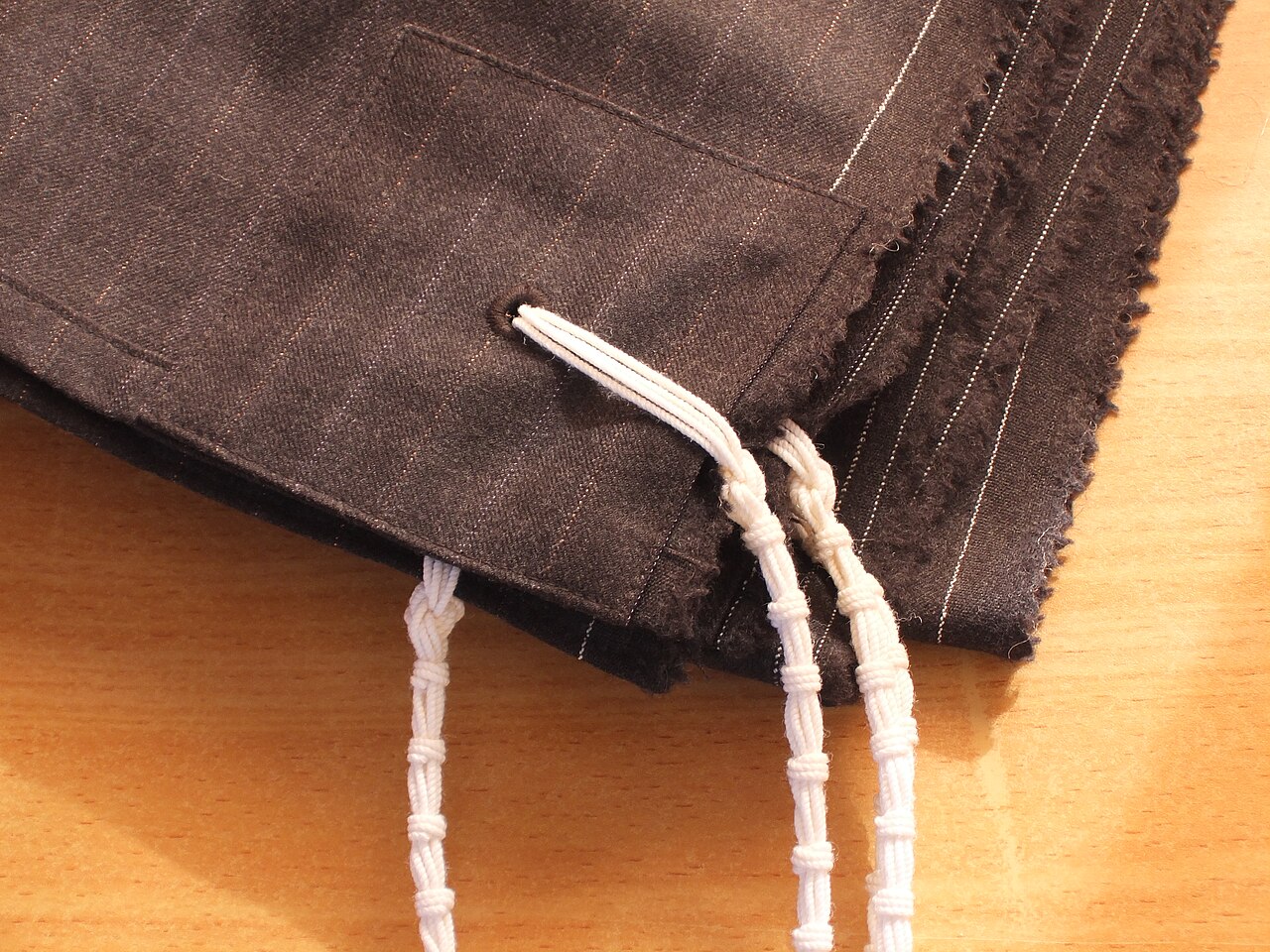
"Speak unto the children of Israel, and bid them that they make them fringes in the borders of their garments throughout their generations, and that they put upon the fringe of the borders a ribband of blue: And it shall be unto you for a fringe, that ye may look upon it, and remember all the commandments of the LORD, and do them… and be holy unto your God. I am the LORD your God, which brought you out of the land of Egypt."
Offerings for life in the land
Every animal offered in the land is to come with flour, oil and wine, scaled to the animal's size. This assumes settled farming: grain fields, olive groves and vineyards that Israel does not yet have.
| Animal | Fine flour | Oil | Wine |
|---|---|---|---|
| Lamb or kid | 1/10 ephah | 1/4 hin | 1/4 hin |
| Ram | 2/10 ephah | 1/3 hin | 1/3 hin |
| Bull | 3/10 ephah | 1/2 hin | 1/2 hin |
The first of the dough (challah) is also given: "Of the first of your dough ye shall give unto the LORD an heave offering in your generations." Jewish bakers still separate a small piece of dough, and the braided Sabbath loaf takes its name from it.
Unknowing and "with a high hand"
Numbers 15 makes a sharp moral distinction. Sins done unknowingly (bishgagah), by the whole community or by one person, are covered by an offering, for the native and the stranger alike. But the one who sins "presumptuously," literally "with a high hand" (beyad ramah), "reproacheth the LORD" and "shall be cut off." The same phrase described Israel leaving Egypt "with an high hand" (Exodus 14:8): open, deliberate and unafraid. The sacrifices of the Torah were for weakness and mistakes, not for open defiance; the man gathering sticks on the Sabbath is placed here as the example. The prophets and the Psalms ask for cleansing even from such sins (Psalm 19:13), and the New Testament speaks of forgiveness for those who repent of them, but the distinction between weakness and defiance remains.
Tassels in ancient art
Egyptian and Assyrian artists often showed people from the Levant wearing garments with tasseled hems: the Beni Hasan tomb painting of Semitic visitors and Assyrian reliefs of Israelite and Canaanite tribute bearers. The tassel and hem were signs of identity and status; Saul cuts the hem of David's robe, and the gesture carries political weight (1 Samuel 24:4–5).
Blue from a sea snail
Tekhelet, the blue of the tassels, of the tabernacle curtains and of the high priest's robe, was made from the glands of murex sea snails along the Phoenician coast. It took thousands of snails to dye a garment, and the color was worth more than gold. In 2021 researchers identified true murex dye (in a red-purple shade) in wool fragments from Timna dated about 1000 BC, the earliest evidence of this royal dye in the region.
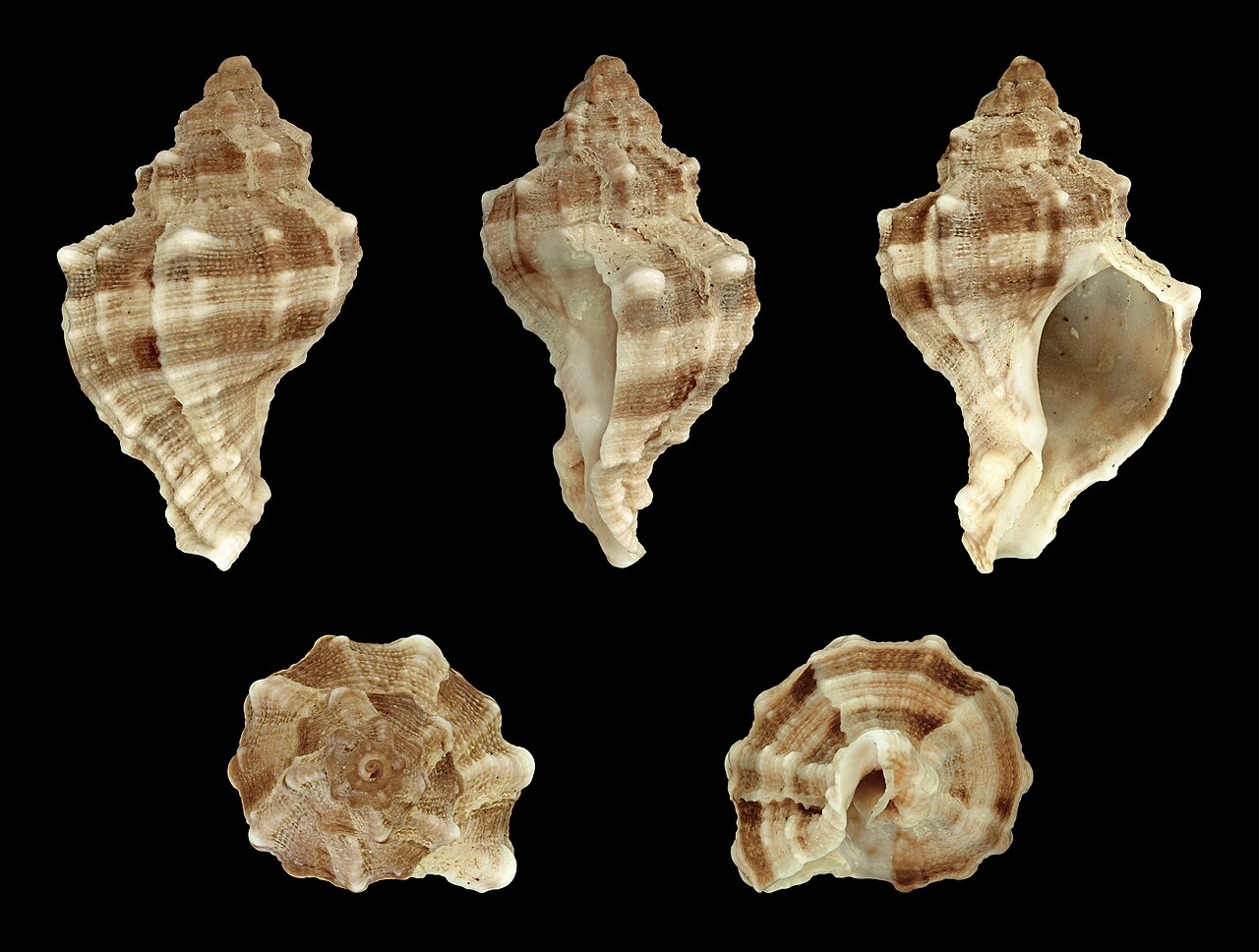
After the Roman period, the knowledge of making tekhelet was lost, and Jews wore all-white tassels for centuries. In the 1980s scientists showed that Hexaplex trunculus dye exposed to sunlight turns sky blue, and some Jews have resumed wearing a blue thread.
The Case for the Biblical Account
Scripture's account
Laws for offerings in the land, for unintentional sin, the Sabbath-breaker, and tassels with a blue thread (Numbers 15).
What evidence would we expect?
Tasseled garments in ancient depictions of Levantines; murex dye production; early tzitzit.
The discoveries
Tassels in Egyptian and Assyrian art; murex dye at Timna (c. 1000 BC) and murex shell heaps at Phoenician sites; tassels (tzitzit) from the Bar Kokhba period in the Cave of Letters.
Testing the discoveries
The dye and tassel customs are well documented; the Sabbath-breaker case is known only from Numbers.
The strongest reconstruction
Numbers 15 turns a common garment feature into a daily reminder of the covenant, using the region's most precious dye.
What remains possible
How early the tassel command was kept; tzitzit appear clearly in the late Second Temple period.
Then and Later
Tassels, then and later
- WildernessNumbers 15:38–40. A thread of blue on every corner.
- c. 1000 BCTimna. The oldest murex-dyed wool in the region.
- c. AD 30The hem of His garment. A woman touches the fringe of Jesus' cloak; Jesus criticizes those who "enlarge the borders of their garments."Matthew 9:20; 23:5
- AD 132–135Cave of Letters. Wool tassels identified as tzitzit found with Bar Kokhba-period remains near the Dead Sea.
- Daily prayerThe Shema. Numbers 15:37–41 becomes the third paragraph of the Shema, recited morning and evening.
- TodayTallit. Jewish men, and some women, wear a prayer shawl with tzitzit; some restore the blue thread.
What the evidence shows
- Murex purple dye was identified in Timna textiles from about 1000 BC.Source: N. Sukenik, D. Iluz, Z. Amar, A. Varvak and E. Ben-Yosef, "Early evidence of royal purple dyed textile from Timna Valley (Israel)," PLoS ONE 16(1): e0245897 (2021) ↗
- Levantines are shown with tasseled garments in Egyptian and Assyrian art.
- Numbers 15 distinguishes unintentional sin, covered by offering, from sin "with a high hand."
- "That ye may… remember all the commandments of the LORD."
Continue the journey
Connected elsewhere in ScriptureNeighbors, Clothing, Sexual Violence, and MarriageDeuteronomy 22:12: Tassels on the four corners.More from this lesson
Why this matters to the rest of Scripture
- Tassels on the four corners.
- The woman touches the hem of Jesus' garment.
- "As many as touched were made perfectly whole."
- The Sabbath as a sign.