Era 5 · The Promised LandJudges
How Judges Came to Us
Samuel's book in Jewish tradition, the Deuteronomistic History, three Qumran scrolls and two Greek forms
Judges does not name its author. The Babylonian Talmud says "Samuel wrote his book, Judges and Ruth" (Bava Batra 14b). That is a religious tradition of reception, not a surviving record of authorship. In the Hebrew Bible, Judges is the second of the Former Prophets (Joshua, Judges, Samuel, Kings). In most Christian Bibles it is among the historical books, followed by Ruth; in the Hebrew Bible Ruth is among the Writings, one of the five scrolls read at festivals.
How the book was formed
Samuel compiled the book in the early monarchy, using earlier records. The refrain "there was no king in Israel" fits a time when kings had begun.
Martin Noth argued that Deuteronomy through Kings is one history written in the exile using older sources. Judges 2:6–3:6, with its cycle of sin and deliverance, reads like that historian's framework around older hero stories. Later scholars proposed editions under Josiah and in the exile.
Others see a "book of deliverers" (chs. 3–9 or 3–12) from the northern kingdom, later framed by Judges 1 and 17–21. The appendices may be a separate collection. Chapter 1 recasts Joshua's conquest as incomplete.
The witnesses
| Witness | Kind | Date | Notes |
|---|---|---|---|
| 1QJudg (1Q6) | Hebrew, fragmentary | 1st c. BC–1st c. AD (to verify) | Small fragments of Judges 6 and 8–9 (coverage to verify) |
| 4QJudg-a (4Q49) | Hebrew, fragmentary | 2nd half of 1st c. BC | Judges 6:2–6, 11–13; lacks 6:7–10 |
| 4QJudg-b (4Q50) | Hebrew, fragmentary | 1st c. BC–1st c. AD (to verify) | Parts of Judges 19–21; close to MT (coverage to verify) |
| Codex Vaticanus | Greek (B form) | 4th c. AD | Basis of the B text |
| Codex Alexandrinus | Greek (A form) | 5th c. AD | Basis of the A text |
| Old Latin | Latin, fragmentary | 2nd–4th c. AD | May preserve the Old Greek in places |
| Vulgate | Latin from Hebrew | c. AD 400 | Jerome's translation; reads Moses in 18:30 |
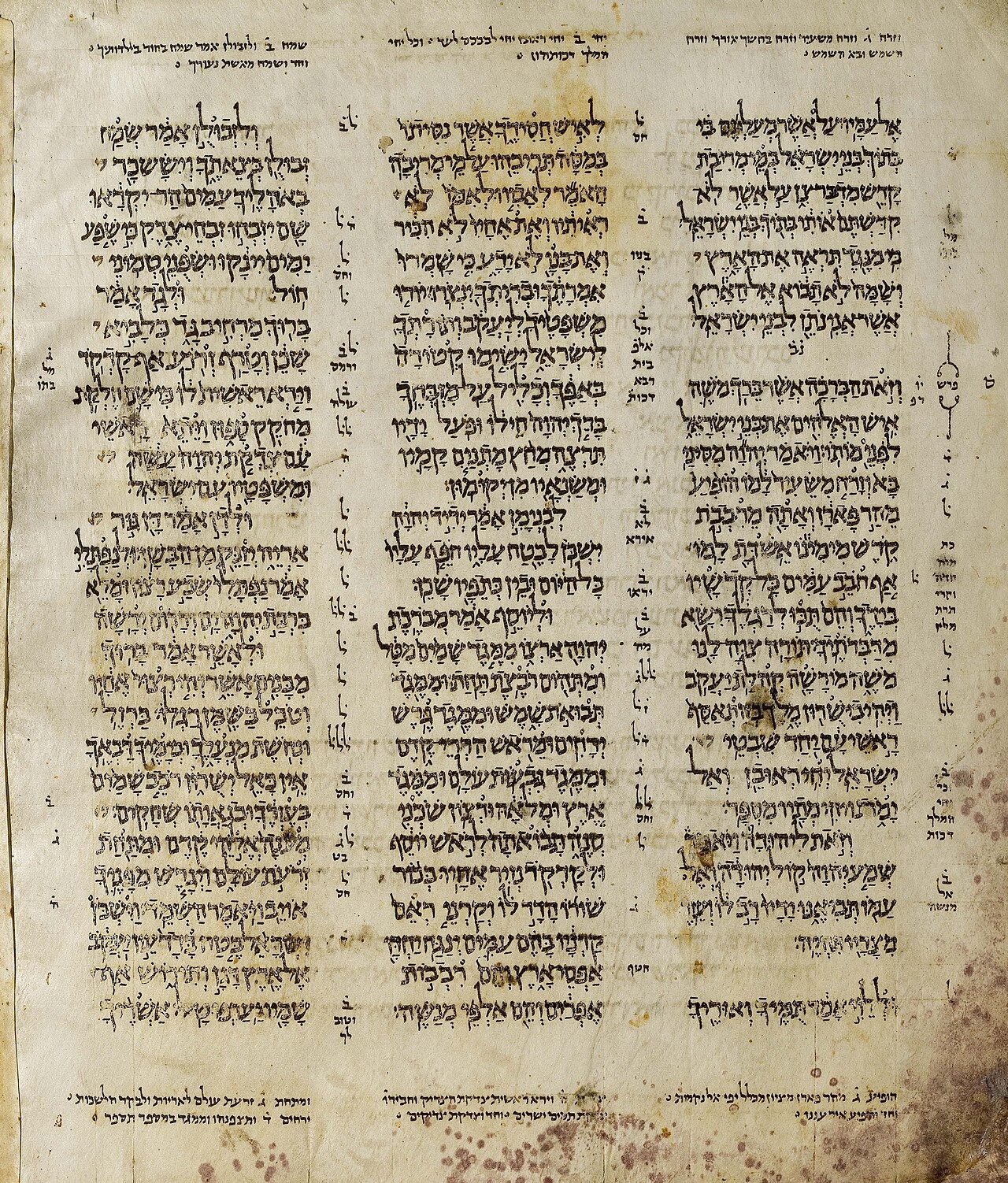
| Aleppo Codex | Hebrew, Masoretic | c. AD 930 | Judges survives in the Aleppo Codex (to verify against its surviving pages) |
| Leningrad Codex | Hebrew, Masoretic | AD 1008 | Basis of BHS and BHQ; suspended nun in 18:30 |
| BHQ Judges | Critical edition | 2011 | N. Fernández Marcos; apparatus not yet consulted for this site |
Two Greek books of Judges
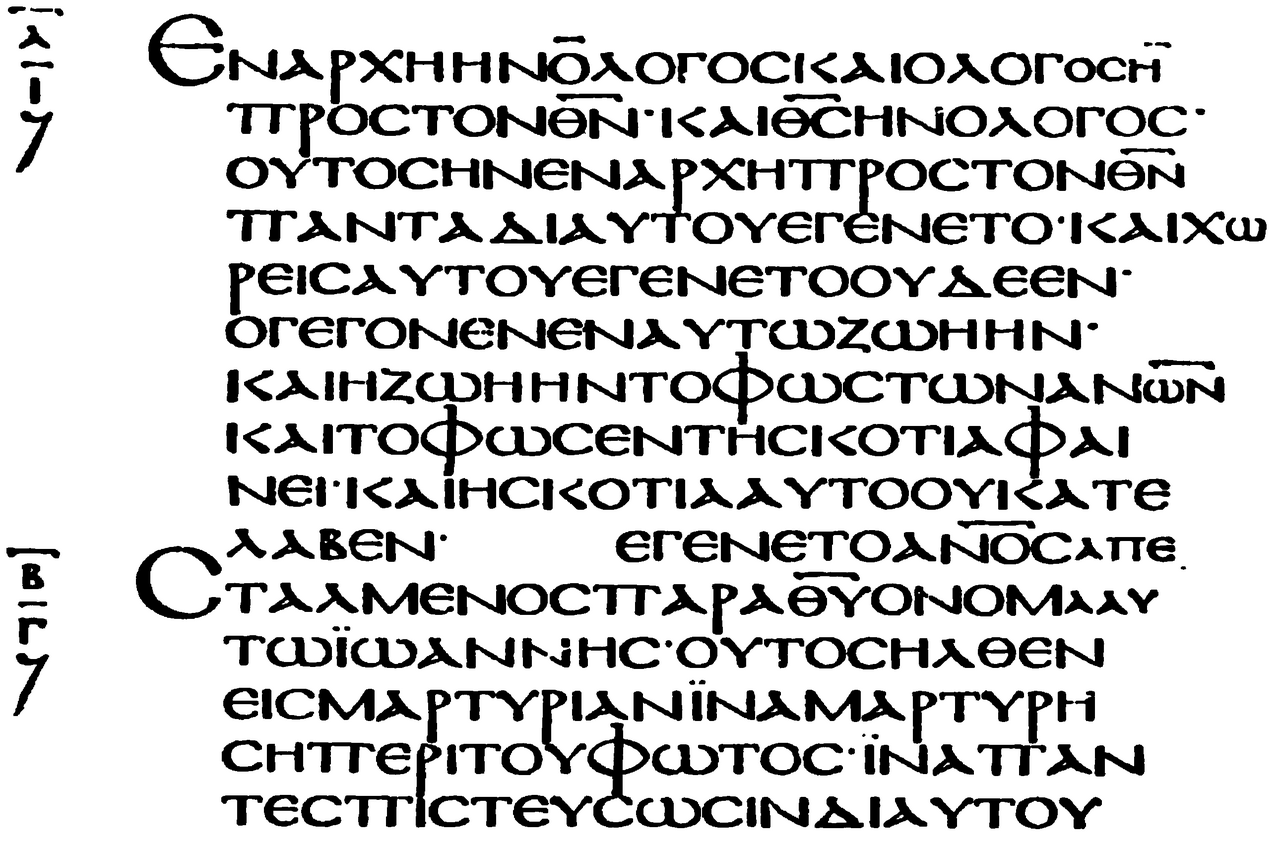
The differences between Greek A and B in Judges are so pervasive that Rahlfs printed both texts in full. Some differences are vocabulary, others reflect different Hebrew or revision toward the Hebrew (the B text is often linked to the kaige revision). The Old Greek may survive best in the Antiochene (Lucianic) manuscripts and the Old Latin. A full Göttingen critical edition had not appeared when NETS was published; the current status has not been checked.
Readers of Judges
Josephus retells Judges in Antiquities 5, reshaping chapters 19–21 (making the woman a wife whom the Levite loved, and softening details). Pseudo-Philo's Biblical Antiquities expands the judges, naming Jephthah's daughter Seila. The rabbis debate Jephthah's vow and the Moses/Manasseh nun. Hebrews 11:32 lists Gideon, Barak, Samson and Jephthah among the faithful.
What the evidence shows
- The Talmud attributes Judges to Samuel.Source: Babylonian Talmud, Bava Batra 14b–15a ↗
- Samuel wrote Judges.
- Judges belongs to a Deuteronomistic History.Source: M. Noth, Überlieferungsgeschichtliche Studien (1943; English: The Deuteronomistic History, 1981)
- 4QJudg-a lacks 6:7–10.Source: J. Trebolle Barrera, "4QJudg-a," DJD XIV (1995); R. Rezetko, "The Qumran Scrolls of the Book of Judges," Journal of Hebrew Scriptures 13 (2013) ↗
- Rahlfs prints Greek Judges in two forms, A and B.Source: P. Satterthwaite, "Judges," A New English Translation of the Septuagint (A and B texts) ↗
- Josephus reshaped Judges 19–21.Source: L. H. Feldman, "Josephus' Portrait of the Concubine at Gibeah" (Josephus' rewriting of Judges 19–21) ↗
Then and Later
Judges, then and later
- Iron IStories and songs Local hero stories and victory songs such as Deborah's.
- MonarchyA book of deliverers Hero stories gathered and framed by the cycle of sin and rescue.
- ExileA history to the exile Judges takes its place between Joshua and Samuel.
- 1st century BCQumran 4QJudg-a preserves a shorter Judges 6.
- 4th–5th century ADTwo Greek books Vaticanus and Alexandrinus carry different forms of Greek Judges.
- AD 1008Leningrad Codex The complete Hebrew text with the suspended nun of 18:30.
- 2011BHQ Judges A new critical edition of the Hebrew by N. Fernández Marcos.
Continue the journey
Journey of a PassageJudges 6:6–12: The prophet's speech missing at QumranIn the Masoretic Text, Israel cries out, and a prophet rebukes them (6:7–10) before the angel comes to Gideon.More from this lesson
Why this matters to the rest of Scripture
- "In the days when the judges ruled."
- Samuel recalls the judges.
- "He gave unto them judges."
Sources to explore
- R. Rezetko, "The Qumran Scrolls of the Book of Judges," Journal of Hebrew Scriptures 13 (2013) ↗
- "Literary criticism and textual criticism in Judges 6:1–14 in light of 4QJudg-a," Old Testament Essays (2014) ↗
- P. Satterthwaite, "Judges," A New English Translation of the Septuagint (A and B texts) ↗
- Sefaria, Judges 18:30 (Hebrew with the suspended nun) ↗
- NET Bible textual note on Judges 18:30 ↗
- L. H. Feldman, "Josephus' Portrait of the Concubine at Gibeah" (Josephus' rewriting of Judges 19–21) ↗
Overviews are a starting point. Each links onward to the primary sources and specialist studies behind it.