Era 5 · The Promised LandJudges
Micah's Private Shrine
"Every man did that which was right in his own eyes"
Micah tells his mother he took the 1,100 shekels she had cursed. "Blessed be thou of the LORD, my son." She gives 200 shekels to a silversmith, "who made thereof a graven image and a molten image: and they were in the house of Micah."
"The man Micah had an house of gods, and made an ephod, and teraphim, and consecrated one of his sons, who became his priest. In those days there was no king in Israel, but every man did that which was right in his own eyes."
A young Levite from Bethlehem of Judah, looking for a place to live, comes to Micah's house. Micah offers him ten shekels a year, clothing and food: "be unto me a father and a priest." "Then said Micah, Now know I that the LORD will do me good, seeing I have a Levite to my priest."
The refrain
"In those days there was no king in Israel" appears four times (17:6; 18:1; 19:1; 21:25), twice with "every man did that which was right in his own eyes." It points toward the monarchy. Many readers take it as a pro-king argument; others note that the kings of Samuel and Kings do no better, and that the book's deeper answer may be faithfulness to God as king (8:23).
Ephod and teraphim
Teraphim were household images, perhaps of ancestors or protective gods, used in divination (compare Rachel's in Genesis 31; Michal's in 1 Samuel 19). The Vulgate glosses "ephod and teraphim" as "a priestly garment and idols." Their appearance is not known.
Household religion
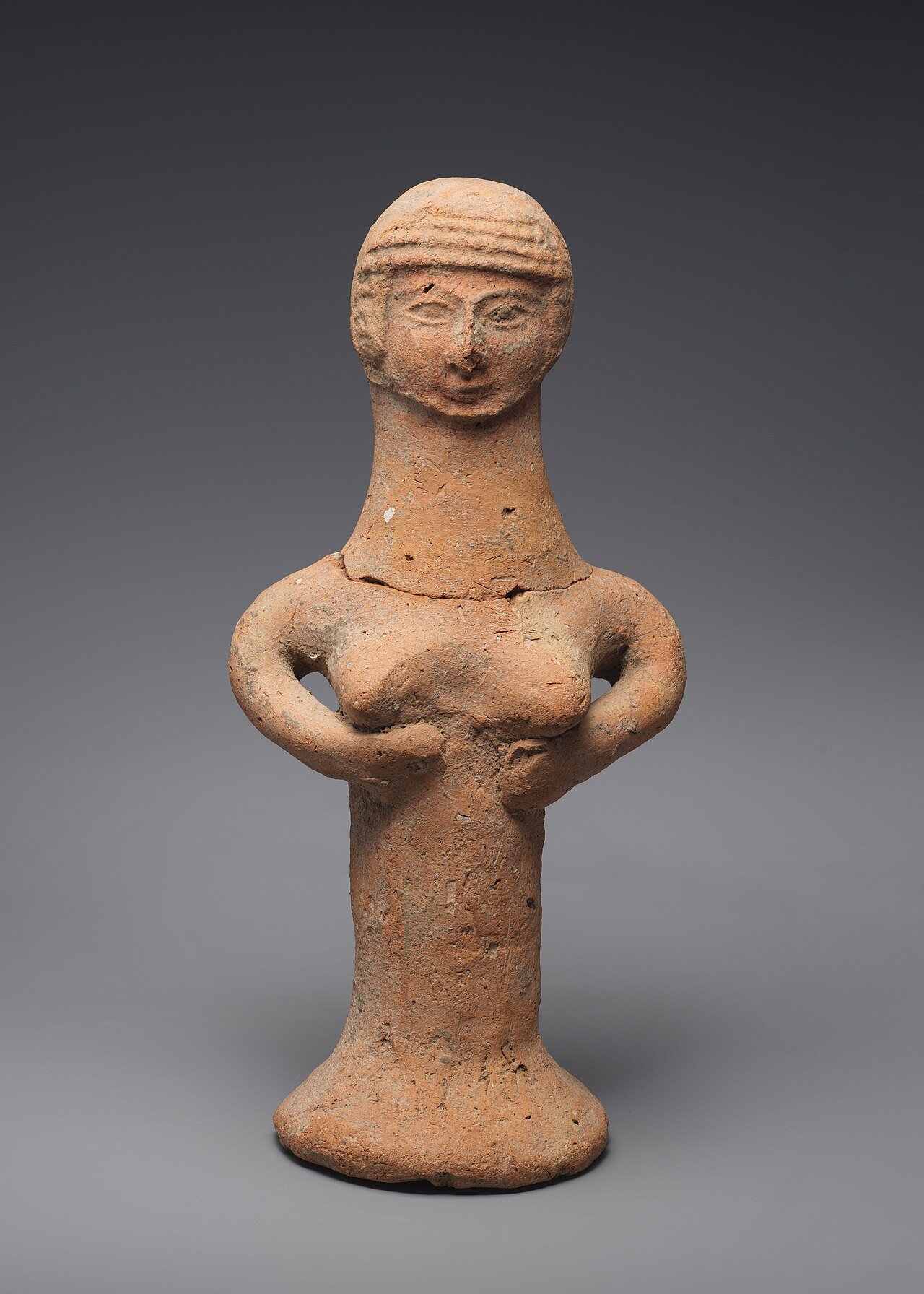
Iron Age houses and villages yield small shrines, standing stones, incense stands and clay figurines. The best known, Judean pillar figurines, date mostly to the 8th–7th centuries BC, later than the setting of Judges, and illustrate household religion generally; no object has been identified as Micah's image.
The Case for the Biblical Account
Scripture's account
Micah's household shrine and hired Levite (Judges 17).
What evidence would we expect?
Household cult objects; local shrines in the hill country.
The discoveries
Cult corners, figurines, standing stones and incense stands at Iron Age sites; the Iron I "Bull Site" bronze figurine in northern Samaria.
Testing the discoveries
Local and household cult is well attested; Micah and his shrine are not.
The strongest reconstruction
The story reflects real household religion, told to criticize it.
What remains possible
Whether the refrain argues for monarchy or for something deeper.
What the evidence shows
- Household cult objects are common in Iron Age Israel.
- An excavated object is Micah's image.
- The "no king" refrain argues for monarchy.
Continue the journey
Connected elsewhere in ScriptureJacob's Ladder and His FamilyGenesis 31:19–35: Rachel's teraphim.More from this lesson
Why this matters to the rest of Scripture
- Rachel's teraphim.
- "Every man whatsoever is right in his own eyes."
- No graven image.
- Michal's teraphim.