Era 4 · Covenant and WildernessLeviticus
Strange Fire
"I will be sanctified in them that come nigh me"
"And Nadab and Abihu, the sons of Aaron, took either of them his censer, and put fire therein, and put incense thereon, and offered strange fire before the LORD, which he commanded them not. And there went out fire from the LORD, and devoured them, and they died before the LORD."
Moses says to Aaron: "This is it that the LORD spake, saying, I will be sanctified in them that come nigh me, and before all the people I will be glorified." "And Aaron held his peace."
Their cousins carry the bodies out of the camp. Aaron and his remaining sons may not mourn publicly; they must stay at their post. God speaks to Aaron directly for the only time in Leviticus: "Do not drink wine nor strong drink… when ye go into the tabernacle… that ye may put difference between holy and unholy, and between unclean and clean; And that ye may teach the children of Israel all the statutes."
Later Moses finds that the goat of the purification offering has been burned instead of eaten by the priests. Aaron answers: "such things have befallen me: and if I had eaten the sin offering to day, should it have been accepted?" "And when Moses heard that, he was content."
What was "strange fire"?
- Fire taken from somewhere other than the altar (compare 16:12, where the high priest takes coals from the altar).
- Incense offered at the wrong time or place, or by the wrong people, since only the high priest entered the inner sanctuary.
- Drunkenness, suggested by the ban on wine that immediately follows (a view in the Midrash, Leviticus Rabbah 12:1).
- Pride or haste: acting on their own initiative on the day of their ordination.
The text says only that it was fire "which he commanded them not." Its interest is not in the exact fault but in its seriousness.
Incense pans
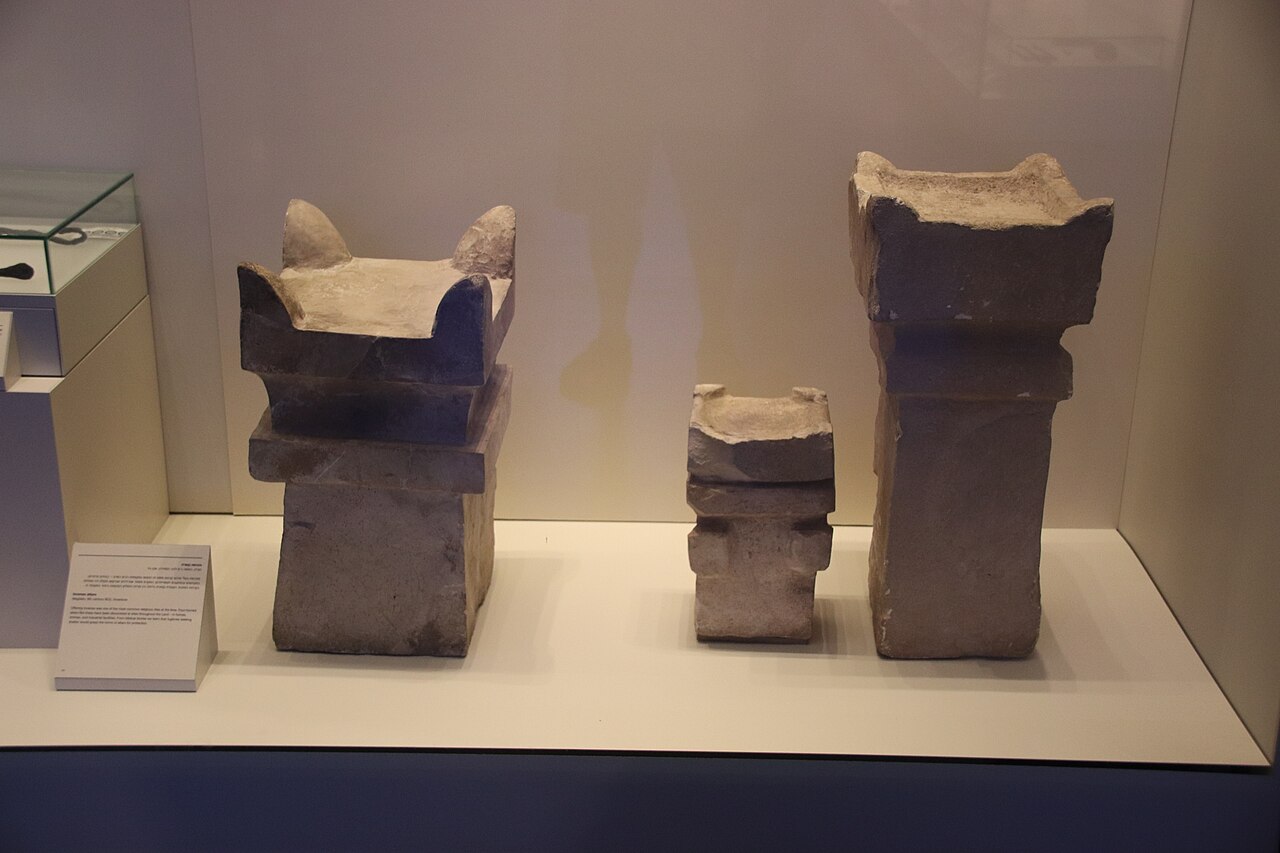
Clay and bronze incense burners, shovels and fire pans have been found across the Levant. Small four-horned incense altars were common. Incense was expensive and potent, and offering it was a priestly act (compare King Uzziah, struck with skin disease for burning incense in the Temple, 2 Chronicles 26:16–21).
Priests as teachers
Leviticus 10:10–11 gives the priests two tasks: to distinguish holy from common and clean from unclean, and to teach. Malachi 2:7: "the priest's lips should keep knowledge, and they should seek the law at his mouth." Haggai 2:11–13 shows the priests answering questions of purity.
The Case for the Biblical Account
Scripture's account
Nadab and Abihu die for offering unauthorized fire; Aaron's sons are given rules of conduct (Leviticus 10).
What evidence would we expect?
Ancient regulations punishing priestly negligence; incense equipment; priests responsible for teaching purity.
The discoveries
The Hittite temple instructions, which threaten death for priests who neglect the rules; incense altars and fire pans across the Levant.
Testing the discoveries
The parallels show how seriously ancient societies treated sacred service. The event itself is known only from Scripture.
The strongest reconstruction
The story teaches that the holy must be approached on God's terms, in a world where sacred negligence was considered deadly.
What remains possible
Historical memory of a priestly family tragedy; a narrative explaining why Aaron's line continued through Eleazar and Ithamar; or both.
What the evidence shows
- Hittite temple instructions threatened death to priests who violated purity rules.Source: "Instructions for Priests and Temple Officials" (CTH 264), Hittite, 14th–13th century BC; tr. G. McMahon in The Context of Scripture I.83
- Leviticus 10:9 forbids priests to drink wine before serving.
- The exact nature of the "strange fire" is known.
- "I will be sanctified in them that come nigh me."
Continue the journey
Connected elsewhere in ScriptureThe Camp and Marching OrderNumbers 3:4: Nadab and Abihu died without children.More from this lesson
Why this matters to the rest of Scripture
- Nadab and Abihu died without children.
- Uzzah touches the ark and dies.
- Ananias and Sapphira.
- "Our God is a consuming fire."
- The priest's lips should keep knowledge.