Era 4 · Covenant and WildernessLeviticus
God Calls from the Tent
"And the LORD called unto Moses, and spake unto him out of the tabernacle"
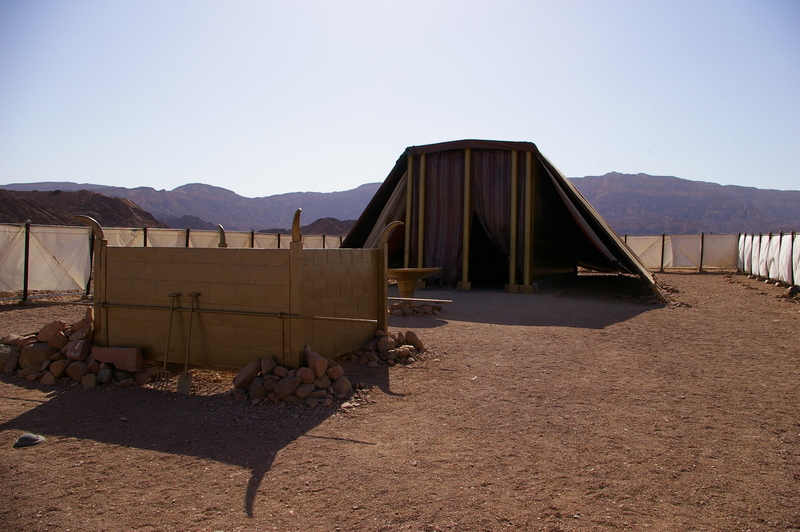
The last scene of Exodus: "a cloud covered the tent of the congregation, and the glory of the LORD filled the tabernacle. And Moses was not able to enter." God has come to live among His people, and no one can come near.
Leviticus begins at that very moment: "And the LORD called unto Moses, and spake unto him out of the tabernacle of the congregation." In Hebrew the book is named for its first word, Vayikra, "And He called." The God who filled the tent now calls from inside it, and the first thing He explains is how Israel may come near.
"If any man of you bring an offering unto the LORD…" The Hebrew word for offering, korban, comes from the verb "to come near." An offering is the way to draw near.
The first is the burnt offering, olah, "what goes up." A worshiper brings a male animal without blemish from the herd, the flock, or, if he is poor, turtledoves or young pigeons. He lays his hand on its head, "and it shall be accepted for him to make atonement for him." He kills it before the LORD at the entrance; the priests sprinkle its blood around the altar, arrange the pieces on the fire, and the whole animal is burned, "a sweet savour unto the LORD."
Where Leviticus sits
Leviticus is the middle book of the five books of Moses. Its events take place in the month after the tabernacle was set up (Exodus 40:17; Numbers 1:1), while Israel is still camped at Sinai. Nearly all of it is God's speech to Moses. In Jewish tradition children traditionally began their study of the Torah with Leviticus: "Let the pure come and study purity" (Leviticus Rabbah 7:3).
| Chapters | Theme |
|---|---|
| 1–7 | Approaching God: the offerings |
| 8–10 | The priesthood begins |
| 11–15 | Clean and unclean: food, birth, skin, the body |
| 16 | The Day of Atonement, the center of the book |
| 17–22 | Holiness in all of life: blood, family, neighbor, priests |
| 23–25 | Holy time: festivals, Sabbath years, Jubilee |
| 26–27 | Blessings and warnings; vows and dedicated things |
Ten questions that run through Leviticus
- God has come to dwell among Israel: why does Leviticus begin where Exodus ends? (lesson 1)
- How do people approach God? The offerings and their different purposes (lessons 1–4)
- Who represents the community? Aaron and the priesthood (lessons 5–6)
- What does it mean to be clean? Ritual purity versus moral wrongdoing (lessons 7–9)
- How can impurity and wrongdoing be removed? The Day of Atonement (lesson 10)
- What does holiness look like every day? Blood, family, neighbor, priests (lessons 11–14)
- How does sacred time shape a people? Sabbath and festivals (lessons 15–17)
- Can economic life reflect holiness? Sabbath years, Jubilee and redemption (lessons 18–19)
- What happens when the covenant is broken? (lesson 20)
- How did these teachings reach us? (lessons 21–22)
Burnt offerings in the ancient world
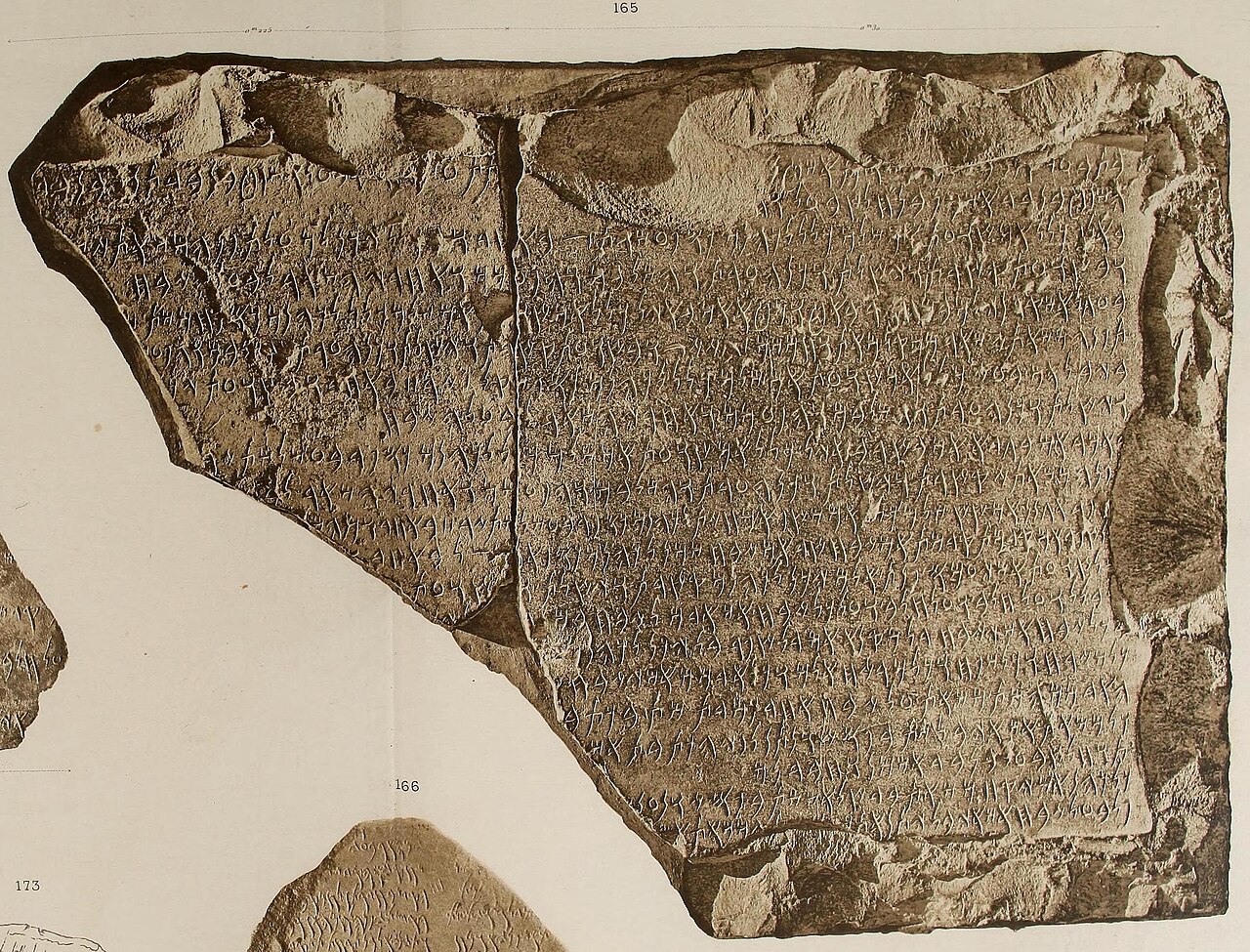
Whole burnt offerings were known around Israel. At Ugarit on the Syrian coast (13th century BC), ritual texts list offerings called šrp, "burnt," and šlmm, the same word as Israel's peace offerings (shelamim). A Punic inscription from Carthage, found at Marseille and known as the Marseille Tariff (3rd century BC), lists the priests' fees for a "whole offering" (kll) and other sacrifices of oxen, calves, rams and birds. Leviticus shares the vocabulary of its world.
What made Israel's offerings different
Mesopotamian and Egyptian temples served the gods two meals a day: the god's statue was washed, clothed and fed. Leviticus has no image and no meal for God to eat. The "sweet savour" is God's pleasure in the worshiper's gift, not food. Psalm 50 says it bluntly: "If I were hungry, I would not tell thee: for the world is mine… Will I eat the flesh of bulls?"
The Case for the Biblical Account
Scripture's account
God speaks to Moses from the newly built tabernacle and gives the law of the burnt offering (Leviticus 1).
What evidence would we expect?
Sacrificial systems with similar terms in Israel's world; altars and sacrificial remains in Israel and Judah; offerings scaled to the worshiper's means.
The discoveries
Ugaritic ritual texts with burnt and peace offerings; the Marseille Tariff's whole offerings and graded fees; altars at Arad, Beersheba and Tel Motza with burnt animal bones.
Testing the discoveries
These show that Leviticus' offerings belong to a real West Semitic sacrificial tradition. They do not date the book or show that Moses gave these laws.
The strongest reconstruction
Leviticus uses the familiar forms of ancient sacrifice, reinterpreted around one God who needs no food, no image, and invites everyone to draw near.
What remains possible
That the laws were revealed at Sinai; that they record long-standing priestly practice; or both, gathered and edited over time (see How Leviticus Came to Us).
Atonement for what?
The burnt offering is said to "make atonement" (kipper) for the worshiper (1:4), but Leviticus 1 names no particular sin. Jewish interpreters suggested it atoned for neglected positive commands or sinful thoughts; Jacob Milgrom saw it as the oldest, all-purpose offering, covering whatever stood between the worshiper and God, before the more specific offerings of chapters 4–5 developed.
Then and Later
Sacrifice, then and later
- SinaiLeviticus 1–7. The offerings are given at the tabernacle.
- c. 950 BCSolomon's Temple. Sacrifice is centered in Jerusalem, though archaeology shows other shrines continued.
- 8th–6th c. BCThe prophets. Amos, Hosea, Isaiah and Micah warn that sacrifice without justice and mercy is worthless.
- 516 BC–AD 70The Second Temple. Daily burnt offerings morning and evening (the tamid) continue for nearly six centuries.The return and Ezra →
- AD 70The Temple destroyed. Sacrifice ends. Rabbinic Judaism teaches that prayer, Torah study and acts of kindness take its place (Avot de-Rabbi Natan 4).
- 1st centuryHebrews. Christians interpret Jesus' death as the final offering: "by one offering he hath perfected for ever them that are sanctified."
- TodayRemembered in prayer. Jewish daily prayer recites the sacrificial passages; the Samaritans still sacrifice at Passover.Passover →
What the evidence shows
- Ugaritic ritual texts name burnt offerings and šlmm offerings.Source: D. Pardee, Ritual and Cult at Ugarit (2002): offerings named šrp (burnt) and šlmm (peace offerings)
- The Marseille Tariff lists whole offerings and priests' fees in a Punic temple.Source: The Marseille Tariff (KAI 69), a Punic sacrificial price list, 3rd century BC; Musée d'Archéologie Méditerranéenne, Marseille
- Leviticus continues directly from the end of Exodus. Exodus 40:34–35; Leviticus 1:1.
- "It shall be accepted for him to make atonement for him."
Continue the journey
Connected elsewhere in ScriptureGod Dwells Among His PeopleExodus 40:34–35: The glory fills the tabernacle; Moses cannot enter.More from this lesson
Why this matters to the rest of Scripture
- The glory fills the tabernacle; Moses cannot enter.
- Abraham's burnt offering on Moriah.
- "Will I eat the flesh of bulls?"
- Mary and Joseph offer the poor family's birds (Leviticus 12:8).
- Christ gave Himself "an offering and a sacrifice to God for a sweetsmelling savour."
- "Present your bodies a living sacrifice."