Era 4 · Covenant and WildernessLeviticus
Trumpets, Atonement, and Booths
"Ye shall dwell in booths seven days"
"In the seventh month, in the first day of the month, shall ye have a sabbath, a memorial of blowing of trumpets, an holy convocation."
"Also on the tenth day of this seventh month there shall be a day of atonement… and ye shall afflict your souls." Whoever works or does not humble himself that day will be cut off.
Five days later, at the full harvest: "the fifteenth day of this seventh month shall be the feast of tabernacles for seven days." "Ye shall take you on the first day the boughs of goodly trees, branches of palm trees, and the boughs of thick trees, and willows of the brook; and ye shall rejoice before the LORD your God seven days."
"Ye shall dwell in booths seven days… That your generations may know that I made the children of Israel to dwell in booths, when I brought them out of the land of Egypt." An eighth day closes the festival.
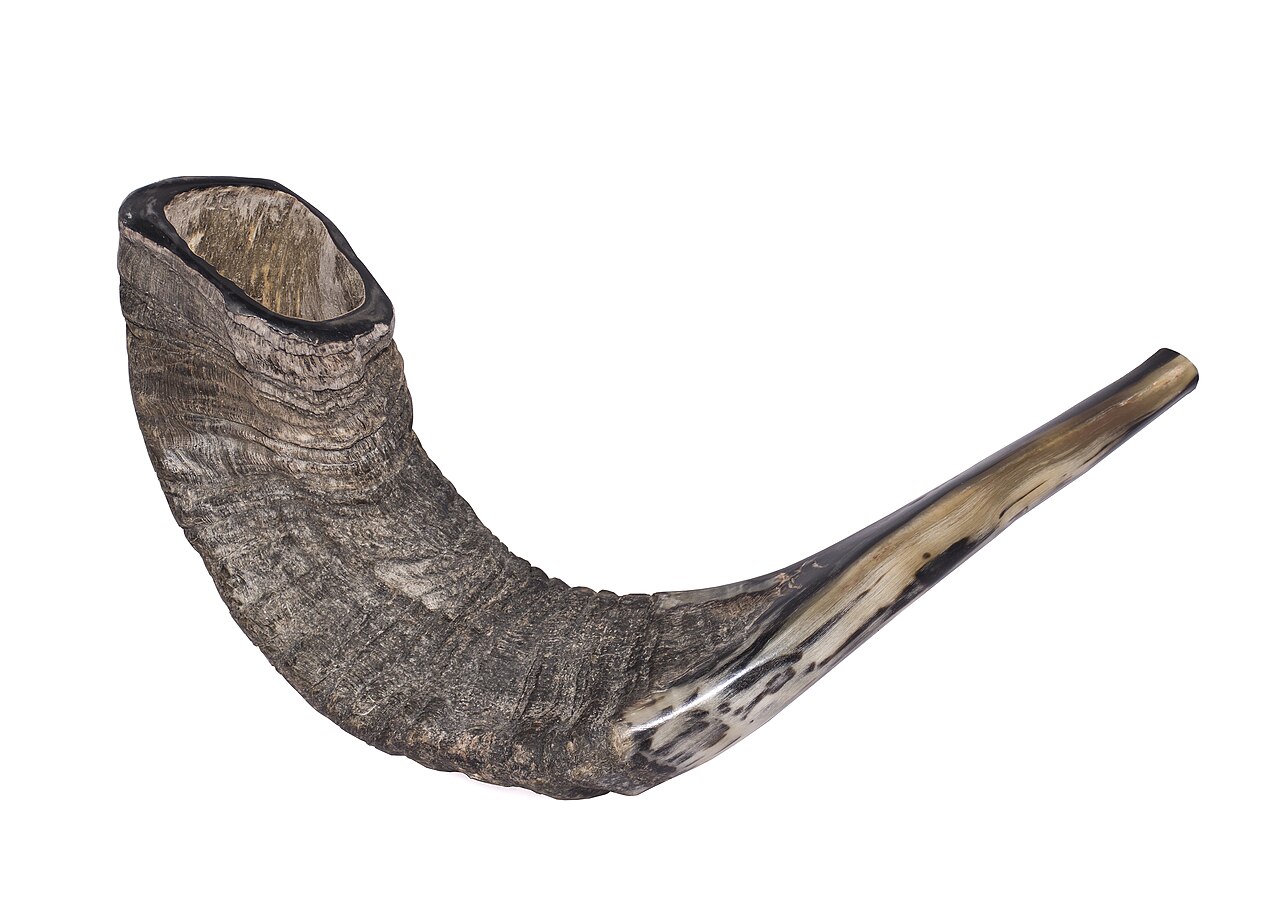
The shofar
The "blowing" (teru'ah) on the first of the seventh month was later done with the shofar, a ram's horn. The day became Rosh Hashanah, the Jewish New Year, though the Bible calls it only a memorial of blowing. Shofars announced the Jubilee (25:9), sounded at Sinai (Exodus 19:16) and in war (Joshua 6).
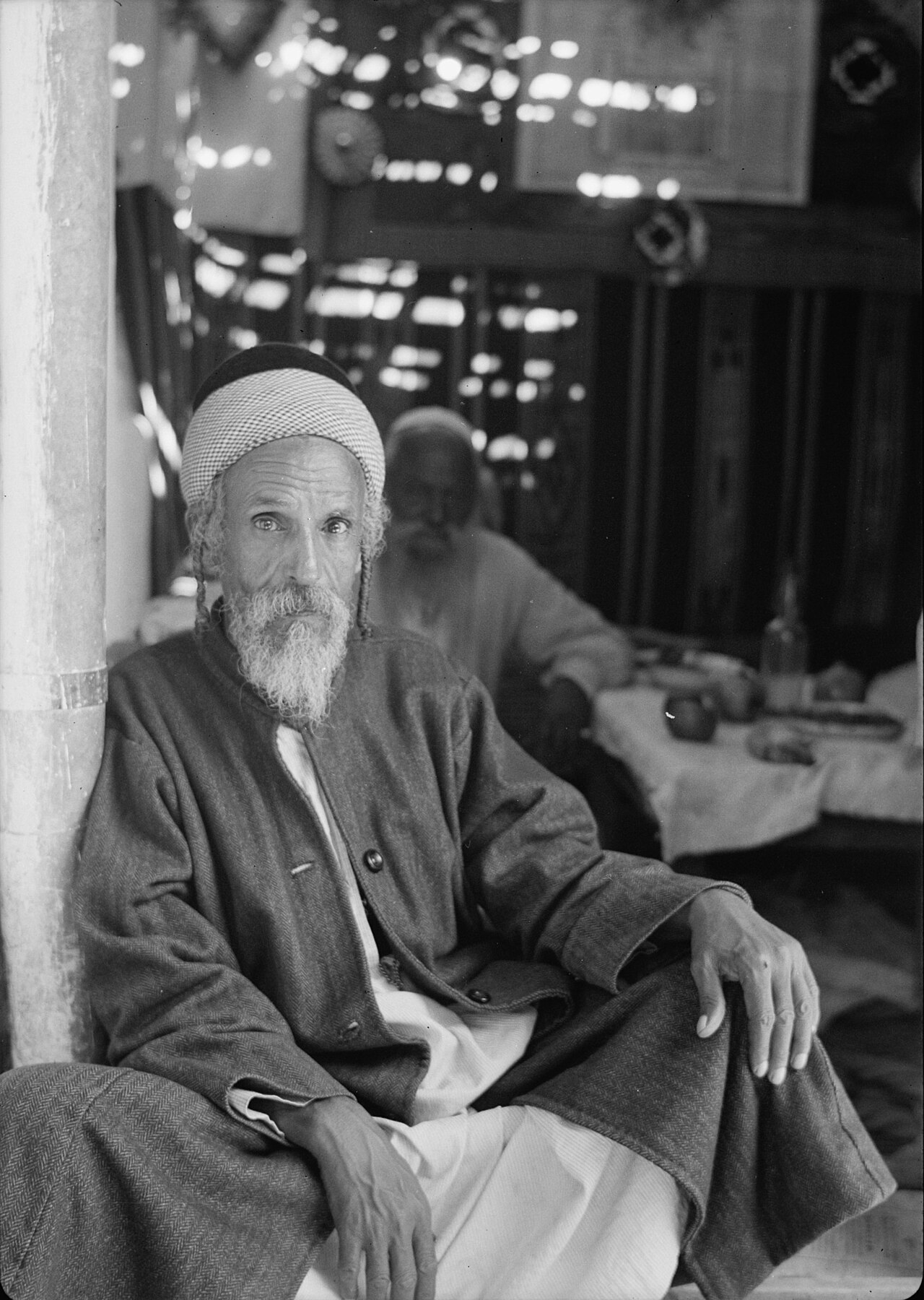
Booths in Ezra's day
After the return from exile, Ezra read the law and the people found in it the command to live in booths. They cut olive, myrtle and palm branches and built booths on their roofs and in the Temple courts, "for since the days of Jeshua the son of Nun… had not the children of Israel done so" (Nehemiah 8:14–17). It is a rare biblical admission that a law had been long neglected.
The four species
Jewish tradition identified the "boughs of goodly trees" as the citron (etrog), and holds it together with a palm branch (lulav), myrtle and willow during Sukkot. These four species appear on coins of the Bar Kokhba revolt (AD 132–135) and in synagogue mosaics.
The Case for the Biblical Account
Scripture's account
The fall festivals: trumpets, the Day of Atonement, and Booths (Leviticus 23:23–44).
What evidence would we expect?
A fall harvest festival; its observance in later periods; ancient seven-day festivals at the harvest.
The discoveries
The Gezer Calendar's fall ingathering; Nehemiah 8's Booths; Bar Kokhba coins with the four species; Josephus' description of Sukkot as the greatest festival; seven-day festivals at Emar.
Testing the discoveries
Nehemiah 8 suggests Booths was neglected for centuries, or at least not kept in this form. Later observance is well documented.
The strongest reconstruction
An ancient fall harvest festival was celebrated as a memorial of the wilderness, renewed after the exile, and became central in Second Temple Judaism.
What remains possible
How the festival was kept before the exile.
Then and Later
Booths, then and later
- SinaiLeviticus 23:42–43. Live in booths to remember the wilderness.
- c. 950 BCSolomon. The Temple is dedicated at the feast of the seventh month.
- c. 445 BCNehemiah. Booths built on roofs and in the courts.
- c. AD 30Jesus at the feast. "If any man thirst, let him come unto me, and drink": spoken on the last day of Tabernacles, when water was poured at the altar.John 7:2, 37–38
- Future hopeZechariah. All nations will come up to keep the Feast of Tabernacles.
- TodaySukkot. Jewish families build a sukkah and eat in it for a week.
What the evidence shows
- Nehemiah 8 says Booths had not been kept this way since Joshua's time.
- Bar Kokhba revolt coins show the lulav and etrog.
- "That your generations may know that I made the children of Israel to dwell in booths."
Continue the journey
Echoes Across CivilizationsSacred calendarsDid Israel's neighbors have calendars of yearly festivals like Leviticus 23?More from this lesson
Echoes Across Civilizations
Optional: how other ancient peoples told similar stories. Open one to compare, then come back to the lesson.
Sacred calendarsEmar · Israelite or Canaanite · Babylonian
Did Israel's neighbors have calendars of yearly festivals like Leviticus 23?
- Emar: The ritual archive of Emar (Emar 446 and related texts) Shared literary world
- Israelite or Canaanite: The Gezer Calendar Shared literary world
- Babylonian: The Akitu (New Year) festival Possible historical contact
Why this matters to the rest of Scripture
- The offerings of the seventh month.
- Booths renewed after the exile.
- Booths kept at the rebuilt altar (see the Ezra lesson).
- Living water at the feast.
- "The Word… dwelt [tabernacled] among us."
- "The trump of God."