Era 1 · The Ancient WorldGenesis
Cain, Abel, and the Long-Lived Ancestors
The first murder, the first cities, and lives measured in centuries
Outside the garden, Adam and Eve have two sons. Cain works the soil, and Abel keeps flocks. Both bring offerings to God. God accepts Abel's offering but not Cain's, and Cain burns with anger.
God warns him: "Sin lieth at the door… and thou shalt rule over him." But Cain lures his brother into the field and kills him. When God asks, "Where is Abel thy brother?", Cain answers with the words that have echoed ever since: "Am I my brother's keeper?"
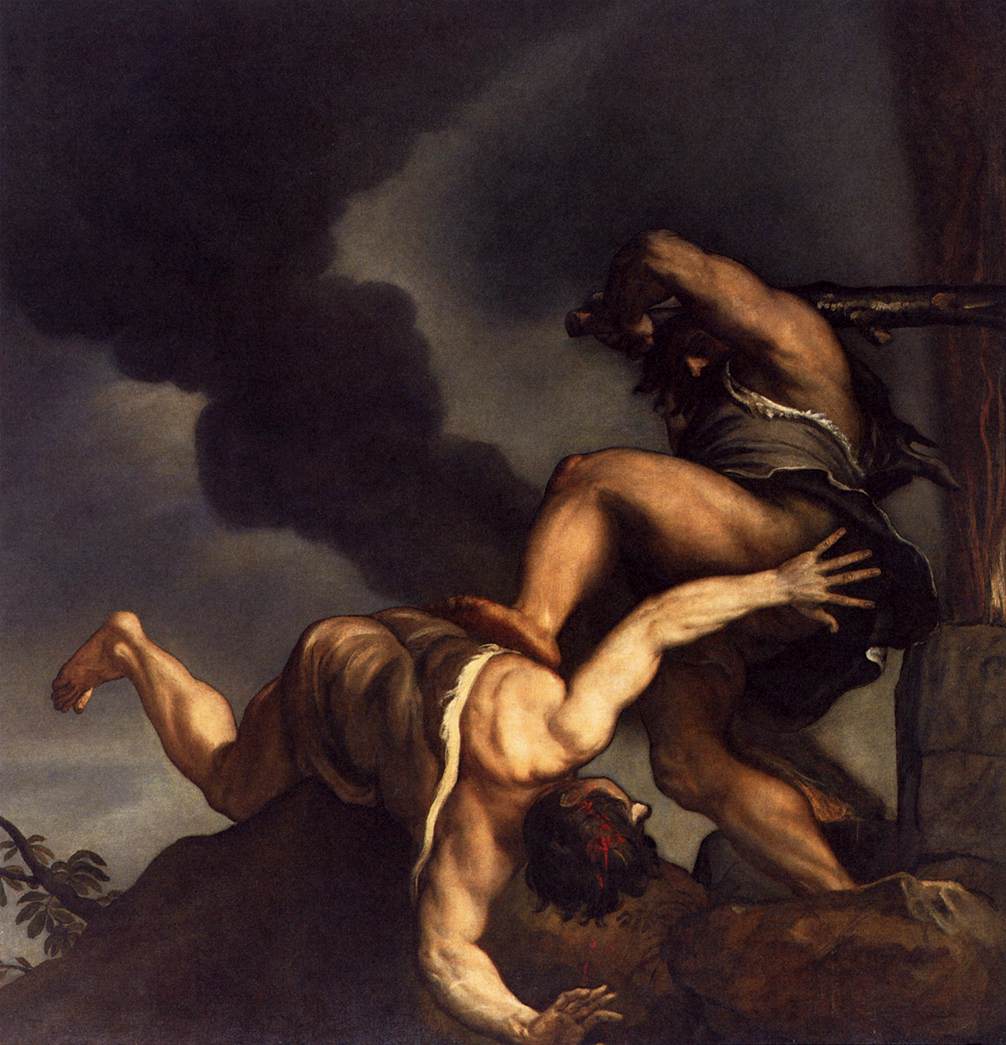
Cain is driven away as a wanderer, yet God puts a mark on him so no one will kill him. Cain builds a city, and his descendants become the first herders, musicians, and metalworkers. Civilization grows, but so does violence: his descendant Lamech boasts of killing a man.
Meanwhile Adam and Eve have another son, Seth, and "then began men to call upon the name of the LORD." Genesis 5 traces Seth's family line through ten generations to Noah. These ancestors live for centuries: Adam 930 years, Methuselah 969. One of them, Enoch, "walked with God: and he was not; for God took him." He is the one man in the list who does not die.
Kings who ruled for thousands of years
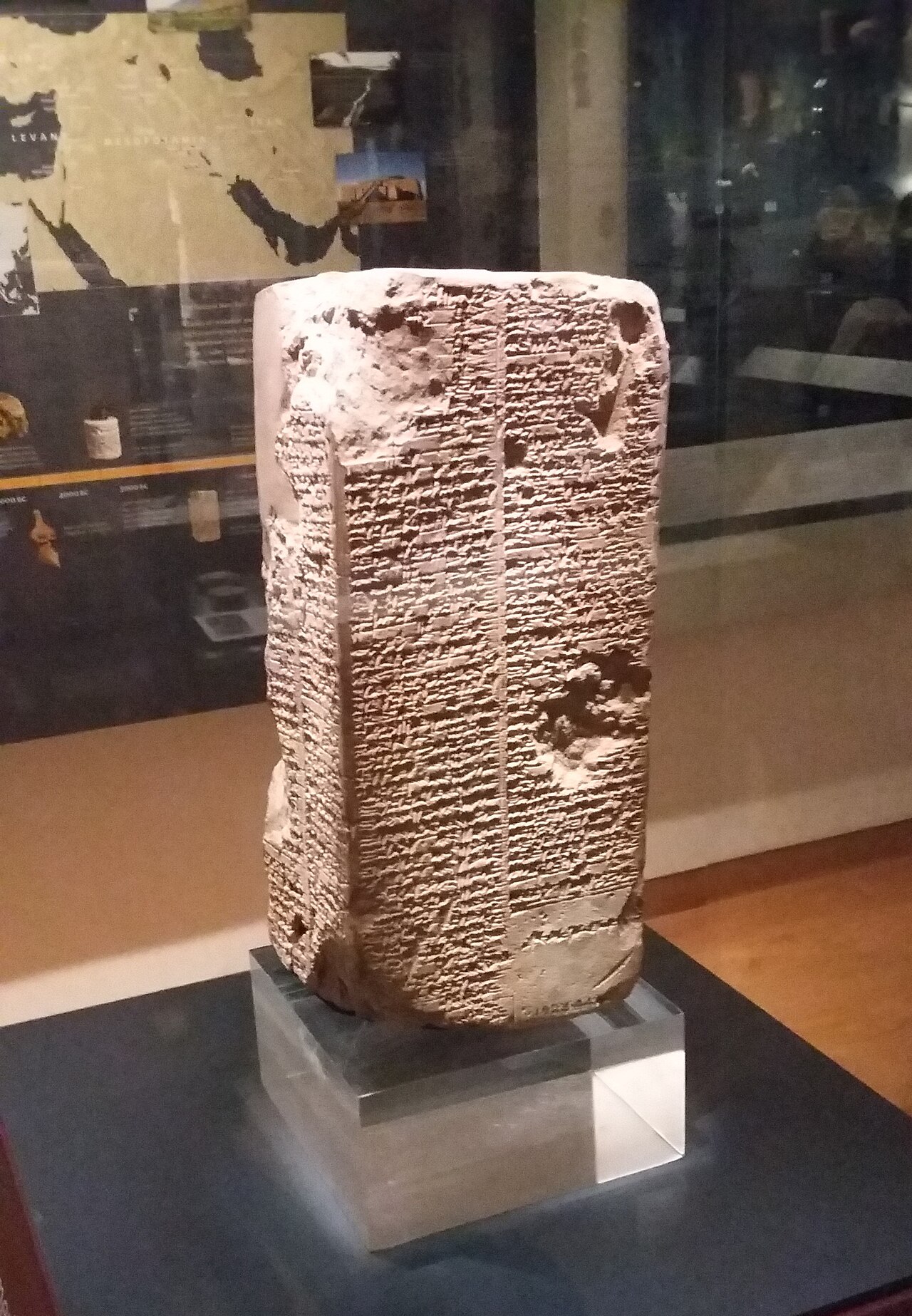
Genesis is not the only ancient text to describe an age of extraordinarily long lives before a great flood. The Sumerian King List, preserved on the Weld-Blundell Prism from about 1800 BC, lists kings who ruled before the Flood with reigns of tens of thousands of years. The first, Alulim of Eridu, is said to have reigned 28,800 years. After the Flood, the reigns become shorter and shorter until they reach normal human lengths.
The pattern matches Genesis in a remarkable way: a long-lived age before the Flood, then a decline in lifespan afterward. Yet Genesis' numbers are far more modest, measured in centuries rather than tens of millennia, and they belong to a family line, not to kings.
| Ancestor | Lifespan (Hebrew text) |
|---|---|
| Adam | 930 |
| Seth | 912 |
| Enosh | 905 |
| Kenan | 910 |
| Mahalalel | 895 |
| Jared | 962 |
| Enoch | 365 (taken by God) |
| Methuselah | 969 |
| Lamech | 777 |
| Noah | 950 |
The mysterious Enoch
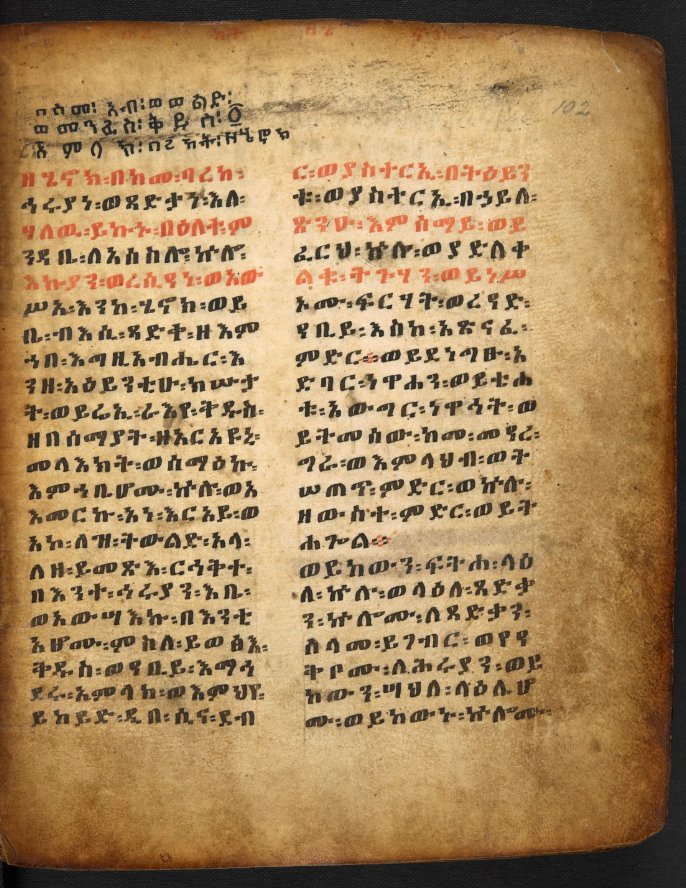
Genesis gives Enoch only a few lines, but later Jewish writers expanded his story greatly. The Book of 1 Enoch describes his heavenly journeys and visions. It was widely read in Jesus' day, it is quoted in the New Testament letter of Jude (verses 14–15), and it is still part of the Bible of the Ethiopian Orthodox Church.
The Case for the Biblical Account
Scripture's account
The first murder, the spread of Cain's line with its cities and crafts, and ten generations from Adam to Noah with lifespans of centuries (Genesis 4–5).
What evidence would we expect?
If an extraordinary early age really happened, other ancient peoples might preserve a memory of it. We would also expect the earliest civilizations to show the developments Genesis describes: farming, herding, cities, music, and metalwork.
The discoveries
The Sumerian King List also places very long-lived rulers before a flood and shorter reigns after it. Archaeology shows farming, herding, early cities, musical instruments, and metalworking emerging in the ancient Near East.
Testing the discoveries
The King List is genuine and well studied. Its parallel with Genesis is real. Scholars debate whether it reflects shared tradition, symbolic numbering, or a dim common memory.
The strongest reconstruction
Genesis belongs to a wider ancient memory of a distinct age before the Flood. Its numbers are restrained compared with its neighbors' and tied to a single family line.
What remains possible
Literal lifespans in a different early world, numbers with symbolic or honorific meaning, or a combination. No outside evidence can confirm individual biological ages.
The numbers differ between ancient copies
The three oldest lines of copying of Genesis (the Hebrew Masoretic Text, the Greek Septuagint, and the Samaritan Pentateuch) give different ages for when each ancestor became a father. That changes how many years passed between Adam and the Flood. Try it:
Masoretic Text, the basis of most English Bibles
- Adam130
- Seth105
- Enosh90
- Kenan70
- Mahalalel65
- Jared162
- Enoch65
- Methuselah187
- Lamech182
- Noah to Flood600
Creation to the Flood: 1,656 years
Bold rows differ from the Hebrew text. Some Greek copies give Methuselah 187, which makes the total 2,262.
This is why no one should state a single "biblical date of creation" without saying which manuscript tradition it follows. Bishop Ussher's famous 4004 BC follows the Hebrew text. Early Christians who read the Greek Septuagint calculated a date over 5,000 years before Christ.
What the evidence shows
- Ancient Mesopotamians described very long-lived rulers before a great flood. Sumerian King List.
- Farming, cities, music, and metalwork arose early in the ancient Near East.
- The genealogy numbers differ among the Hebrew, Greek, and Samaritan texts.
- The ancestors lived the exact lifespans recorded.
- Enoch was taken by God without dying.
Continue the journey
Ancient MysteriesThe Seven Sages and the Watchers: Who Brought Knowledge to Humanity?Did Mesopotamia's tradition of seven sages before the Flood shape the Jewish story of the Watchers?More from this lesson
Investigations
Optional deep dives: the ancient sources, the physical evidence, and every interpretation side by side, including unconventional ones, each labeled for what it is.
The Seven Sages and the Watchers: Who Brought Knowledge to Humanity?Ancient traditions: documented · Literary connection: argued by specialists · Identity of the beings: unknown
Did Mesopotamia's tradition of seven sages before the Flood shape the Jewish story of the Watchers?
Mesopotamian tradition remembered seven apkallu, wise beings who came before the Flood and taught humanity the arts of civilization. Specialists have argued that 1 Enoch's Watchers are a deliberate Jewish reversal of this tradition: the same idea of heavenly teachers before the Flood, but judged rather than honored.
Open the full investigation →Before the Flood: Two Ancient ChronologiesAncient texts: documented · Numbers: differ between manuscript traditions · Meaning of the numbers: debated
How do the long lives of Genesis 5 compare with the Sumerian King List's reigns of tens of thousands of years?
Genesis lists ten generations from Adam to Noah, with lifespans of up to 969 years. The Sumerian King List names kings who reigned before the Flood for up to 43,200 years each, and Berossus later gave ten kings before the Flood. Both traditions remember a primeval age of extraordinary duration ended by a flood.
Open the full investigation →Enoch and Enmeduranki: The Seventh from the BeginningAncient texts: documented · Connection: a strong scholarly comparison, not proven
Is there a link between Enoch, seventh from Adam, and Enmeduranki, the seventh Mesopotamian king who learned heaven's secrets?
Enoch is the seventh generation from Adam, lives 365 years and is taken by God. In Mesopotamian tradition, Enmeduranki, king of Sippar (city of the sun god), is admitted to the gods' presence and taught the secrets of divination. Scholars have long compared the two seventh figures.
Open the full investigation →Before the Written Record: Göbekli TepeSite and dates: documented · Purpose: debated · Extraterrestrial or lost-civilization builders: no evidence
What does a monumental site from about 9600 BC tell us about the world Genesis 4 describes?
In southeastern Turkey, not far from Harran, hunter-gatherers carved and raised T-shaped pillars up to about 5.5 meters high, decorated with animals, between about 9600 and 8200 BC. It shows how much sophisticated human activity came before writing, and raises honest questions about biblical chronology.
Open the full investigation →The Ubaid Figurines: Real Artifacts, MisunderstoodArtifacts: authentic · Meaning: unknown · Reptilian/alien reading: unsupported
Do the lizard-headed clay figurines of ancient Mesopotamia depict nonhuman beings?
Clay figurines from the Ubaid period (5th millennium BC), found at Ur and Eridu, have elongated heads, slanting eyes and shoulder pellets; some hold infants. They are genuine. Online claims call them reptilians or aliens. Their purpose is unknown, but stylized human figures are the straightforward reading.
Open the full investigation →Why this matters to the rest of Scripture
- Abel and Enoch are the first two names in the Bible's "hall of faith."
- Jesus speaks of "the blood of righteous Abel."
- Jude quotes a prophecy of Enoch found in 1 Enoch 1:9.
- John warns believers not to be like Cain.
Sources to explore
Overviews are a starting point. Each links onward to the primary sources and specialist studies behind it.