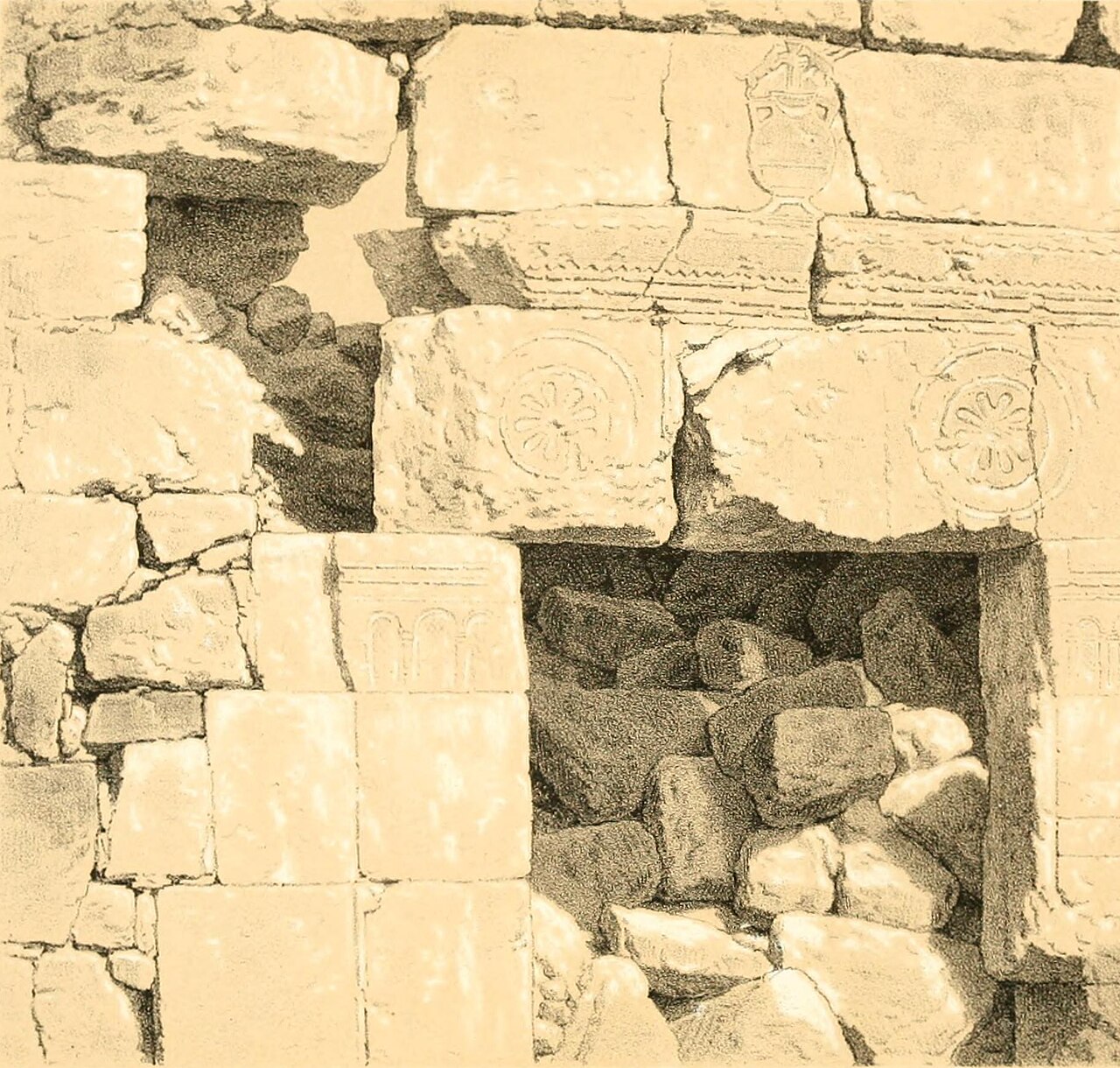
A month after leaving Egypt the whole community grumbles in the wilderness of Sin: "Would to God we had died by the hand of the LORD in the land of Egypt, when we sat by the flesh pots, and when we did eat bread to the full."
"Behold, I will rain bread from heaven for you; and the people shall go out and gather a certain rate every day, that I may prove them, whether they will walk in my law, or no." On the sixth day they will gather twice as much.
In the evening quail come up and cover the camp. In the morning, when the dew lifts, "upon the face of the wilderness there lay a small round thing, as small as the hoar frost on the ground." The people ask, "Man hu?" — "What is it?" Moses answers: "This is the bread which the LORD hath given you to eat."
Each person gathers an omer. Whoever gathers much has nothing over, and whoever gathers little has no lack. Some keep it overnight against Moses' word, and it breeds worms and stinks. On the sixth day they gather a double portion, and it keeps. Some go out on the seventh day anyway and find nothing. "See, for that the LORD hath given you the sabbath."
"And the house of Israel called the name thereof Manna: and it was like coriander seed, white; and the taste of it was like wafers made with honey." An omer of it is kept before the LORD for later generations. "And the children of Israel did eat manna forty years, until they came to a land inhabited."
What was manna?
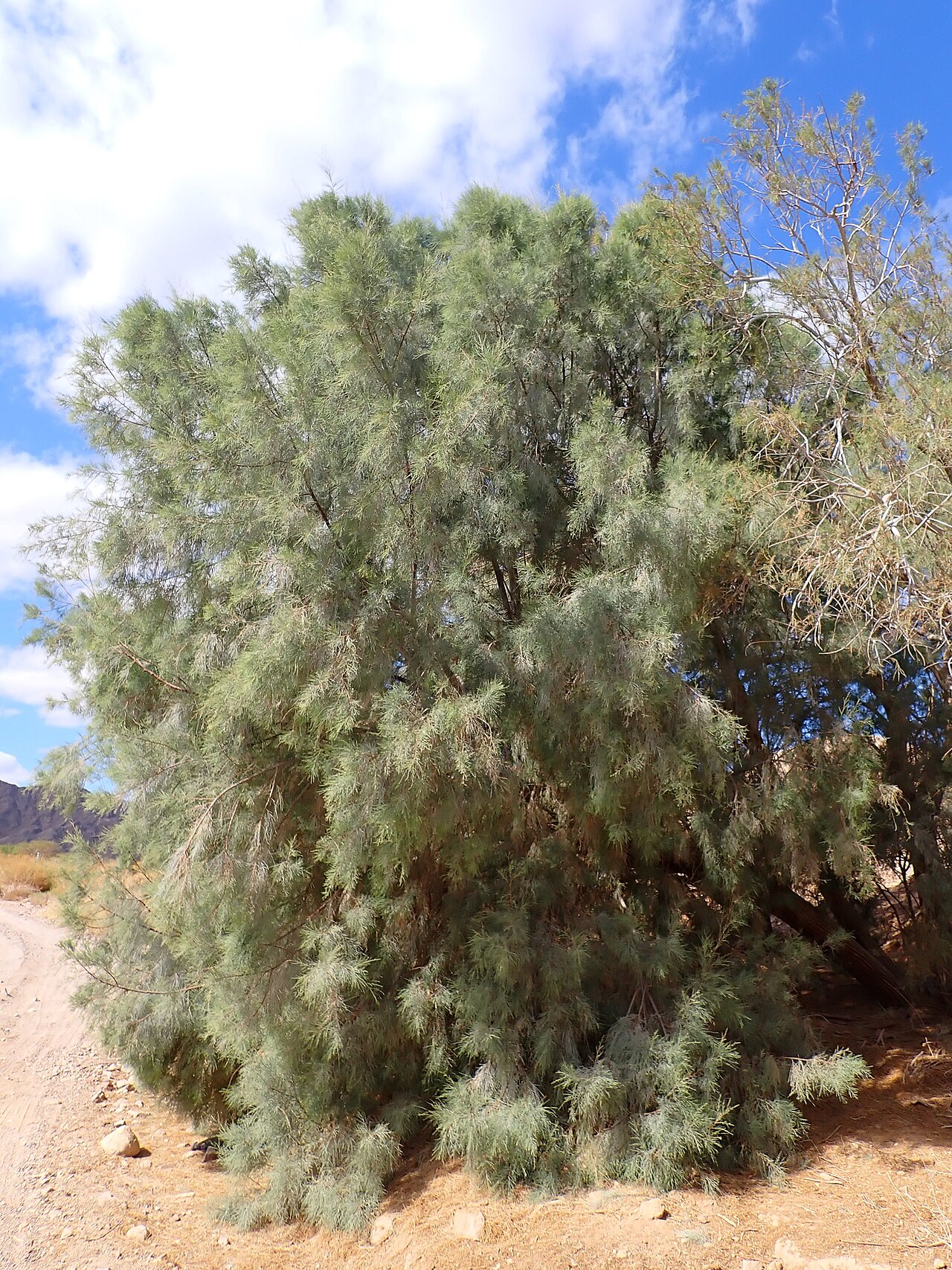
In 1927 a Hebrew University expedition led by Friedrich Bodenheimer studied a substance Bedouin in southern Sinai still call mann. Small scale insects feeding on tamarisk sap excrete sweet droplets that crystallize overnight into white, sticky grains. They melt in the sun, attract ants, and are gathered in the early morning. Bedouin eat it like honey. The amounts are small, a few kilograms per person per season, and only in early summer.
The tamarisk mann matches several details: white grains, sweet taste, morning gathering, melting in the sun. It does not match others: the quantities feeding a nation, daily supply for forty years in all seasons, the double portion on the sixth day, and none on the Sabbath. Exodus presents manna as a provision beyond nature, and even the Israelites did not know what it was.
Quail
Common quail migrate across Sinai each spring and autumn between Africa and Europe. Tired after crossing the sea, they come down in great numbers on the north Sinai coast, where they have been netted since antiquity; Egyptian tomb paintings show quail being caught in nets. Numbers 11:31 describes a wind bringing quail from the sea.
The omer kept before the LORD
A jar of manna was later kept with the ark (Hebrews 9:4). Jewish tradition remembers manna in the two loaves of challah on the Sabbath table, for the double portion.
The Case for the Biblical Account
Scripture's account
God provides quail and, for forty years, a daily bread from heaven called manna, with a double portion before each Sabbath (Exodus 16).
What evidence would we expect?
Natural foods of the Sinai that resemble the description; quail migrations; the customs that remembered manna.
The discoveries
Tamarisk mann produced by scale insects in southern Sinai; the quail migration and ancient quail netting; Jewish and Christian traditions of remembrance.
Testing the discoveries
Tamarisk mann is real but seasonal and small in quantity. The quail are a strong match. Neither explains the Sabbath pattern.
The strongest reconstruction
Exodus uses the realities of the Sinai desert, but presents manna as a sustained, miraculous provision with no natural parallel at that scale.
What remains possible
That God multiplied a natural desert food; that He provided something wholly new; or that a memory of desert foods became a lesson about trust.
What the evidence shows
- Scale insects on tamarisk trees in Sinai produce a sweet substance that Bedouin call mann.Source: F. S. Bodenheimer, "The Manna of Sinai," The Biblical Archaeologist 10:1 (1947)
- Migrating quail land exhausted on the Sinai coast in large numbers.Source: On the Sinai quail migration and trapping: Y. Yom-Tov, "Quail in the Sinai," and Egyptian netting records; see also Numbers 11:31
- Tamarisk mann fully explains the manna of Exodus.
- God fed Israel with bread from heaven for forty years.
Continue the journey
Connected elsewhere in ScriptureQuail and the Seventy EldersNumbers 11:4–9, 31–34: Israel tires of manna; the second quail and the graves of craving.More from this lesson
Why this matters to the rest of Scripture
- Numbers 11:4–9, 31–34Israel tires of manna; the second quail and the graves of craving.
- "Man doth not live by bread only, but by every word that proceedeth out of the mouth of the LORD."
- "I am the bread of life."
- "Give us this day our daily bread."
- Paul quotes 16:18 on sharing: "he that had gathered much had nothing over."
- "Man did eat angels' food."
- "To him that overcometh will I give to eat of the hidden manna."