
Era 3 · Egypt and DeliveranceExodus
Livestock, Boils, and Hail
"Such as hath not been in Egypt since the foundation thereof"
God sends a pestilence on Egypt's livestock in the fields, horses, donkeys, camels, cattle and sheep, "and of the cattle of the children of Israel died not one." Pharaoh sends to check, finds it true, and still refuses.
Moses throws handfuls of soot from a kiln into the air, and it becomes boils breaking out on people and animals. The magicians cannot even stand before Moses because of the boils.
Then a warning: tomorrow "I will cause it to rain a very grievous hail, such as hath not been in Egypt since the foundation thereof." For the first time a plague comes with a way of escape: bring your servants and cattle indoors. "He that feared the word of the LORD among the servants of Pharaoh made his servants and his cattle flee into the houses."
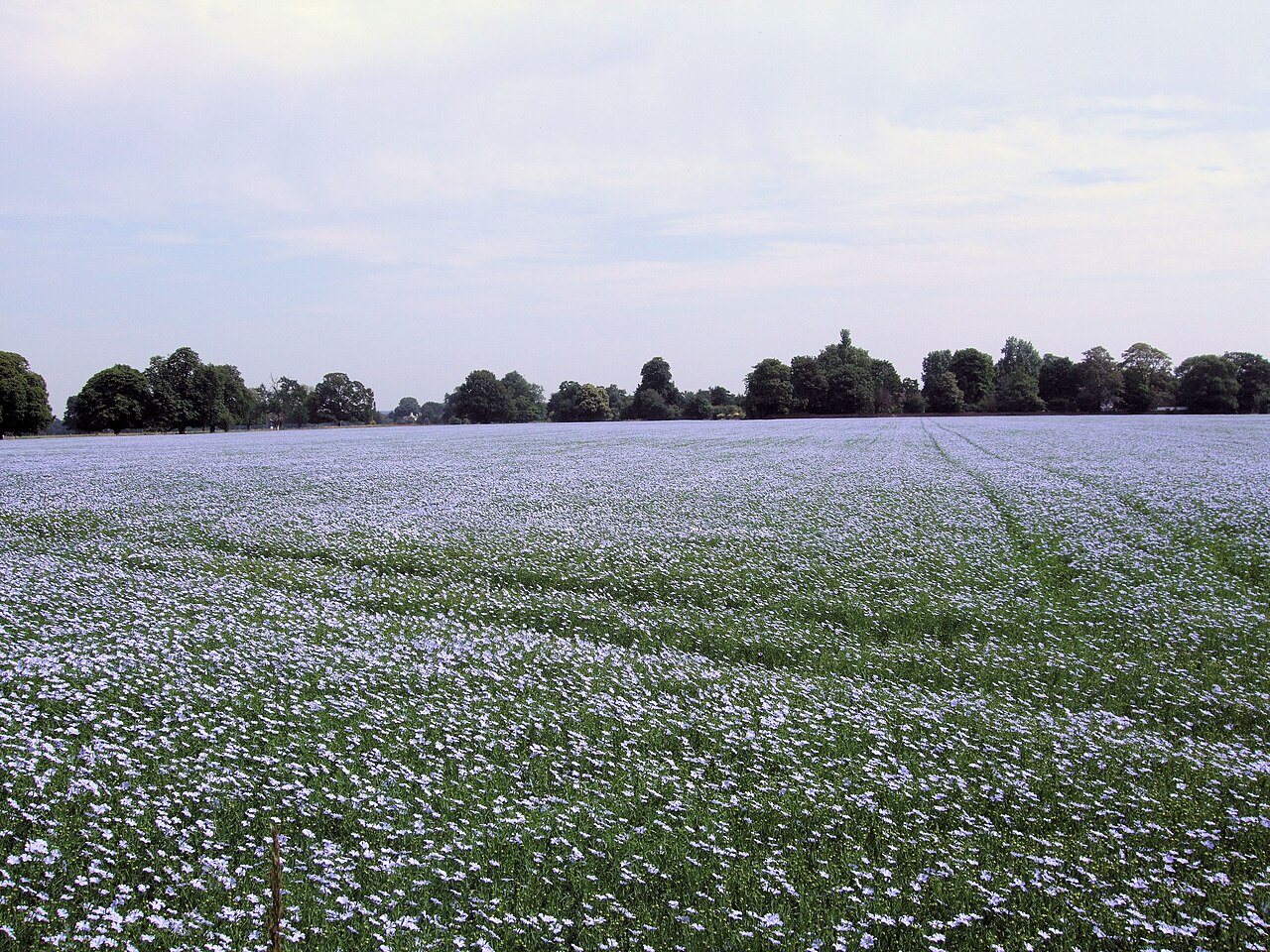
Thunder, hail, and fire running along the ground strike all Egypt except Goshen. "The flax and the barley was smitten: for the barley was in the ear, and the flax was bolled. But the wheat and the rie were not smitten: for they were not grown up." Pharaoh summons Moses: "I have sinned this time: the LORD is righteous, and I and my people are wicked." Moses prays, the storm stops, and Pharaoh hardens his heart again.
A detail that dates the hail
Exodus notes that flax and barley were ruined but wheat and spelt were not yet grown. In Egypt flax and barley ripen around February and March; wheat and emmer (spelt) ripen about a month later. The detail places the hail in late winter, a few weeks before Passover in spring. It is the kind of agricultural observation that fits Egypt's actual calendar.
Storms in Egypt
Egypt is one of the driest places on earth, and severe hail is rare, which is the point of "such as hath not been in Egypt." Winter storms with thunder and hail do occasionally strike the Delta and Sinai. "Fire running along the ground" is usually understood as lightning.
Livestock disease
Researchers have suggested anthrax, rinderpest or bluetongue (spread by biting insects) as possible causes of the livestock plague, following the insect plagues. These are suggestions; Exodus gives no symptoms beyond death.
The Case for the Biblical Account
Scripture's account
Pestilence on livestock, boils, and an unprecedented hailstorm destroy Egypt's animals and early crops but spare Goshen (Exodus 9).
What evidence would we expect?
An agricultural calendar matching the crops affected; records of severe storms or epidemics.
The discoveries
Egypt's crop calendar matches the detail of flax and barley ruined before wheat and spelt; Egyptian and later records of rare severe storms and cattle epidemics.
Testing the discoveries
The calendar detail is accurate and specific. No Egyptian record ties such disasters to a particular year.
The strongest reconstruction
The account is grounded in real Egyptian agriculture and weather; the sparing of Goshen and the timing are presented as God's direct action.
What remains possible
Natural disasters directed by God, events beyond nature, or memories of disasters shaped into a theological sequence.
Who hardened Pharaoh's heart?
Exodus says Pharaoh hardened his own heart (8:15, 32; 9:34) and that God hardened it (9:12; 10:20). Interpreters have read this as God confirming the choice Pharaoh kept making, as God's sovereignty over even a king's will, or both. Paul discusses it in Romans 9.
What the evidence shows
- In Egypt flax and barley ripen before wheat and spelt.
- Severe hailstorms occasionally strike Egypt and Sinai.
- God spared Israel's livestock and land.
Continue the journey
Connected elsewhere in ScripturePsalm 105: He Remembered His CovenantPsalm 105:32–33: "He gave them hail for rain, and flaming fire in their land."More from this lesson
Why this matters to the rest of Scripture
- Paul on God and Pharaoh's heart.
- A great hail from heaven in the last plagues.
- "He gave them hail for rain, and flaming fire in their land."