Era 3 · Egypt and DeliveranceExodus
Blood, Frogs, Gnats, and Flies
The first plagues and the finger of God
Before Pharaoh, Aaron throws down his staff and it becomes a serpent. Pharaoh's magicians do the same with their "enchantments," but Aaron's staff swallows theirs. Pharaoh's heart is hardened.
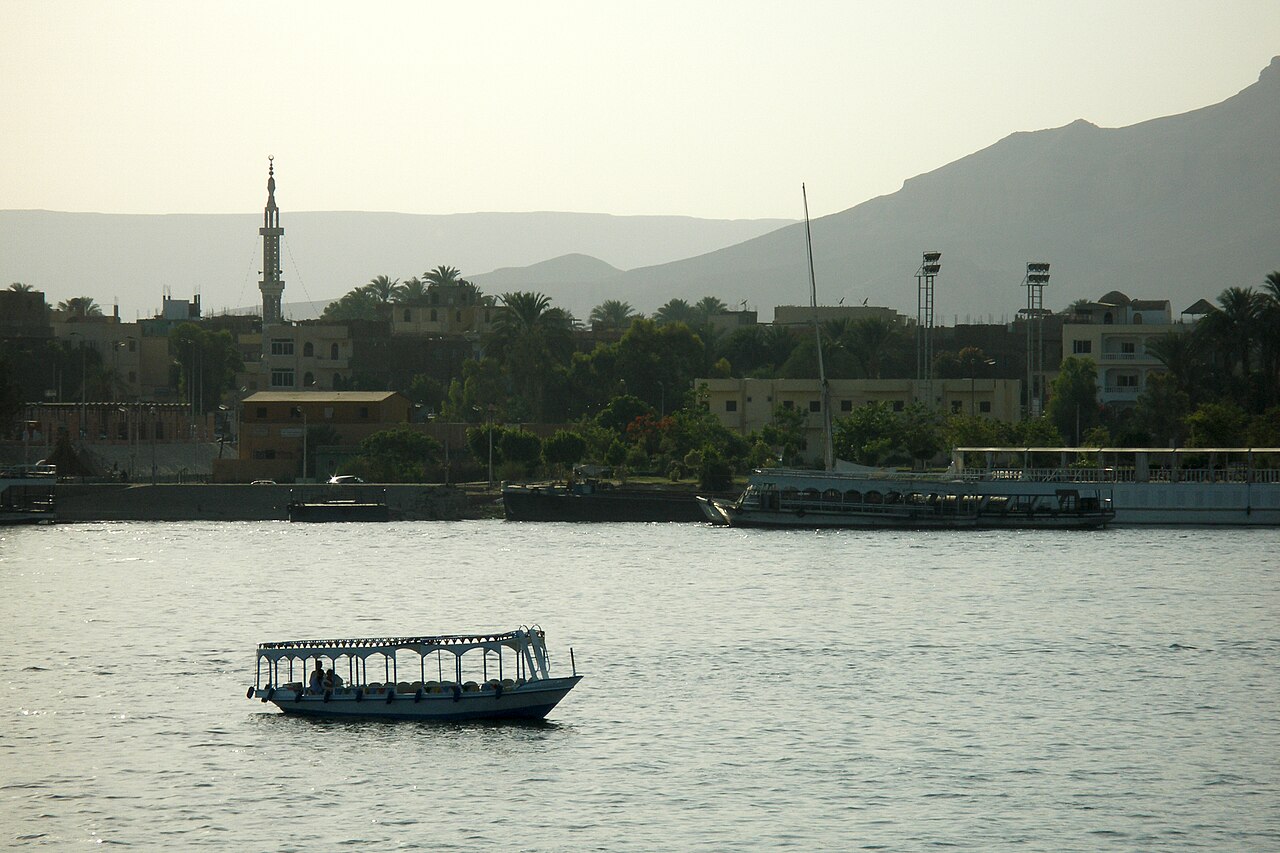
In the morning, as Pharaoh goes out to the river, Aaron stretches his staff over the waters of Egypt. The Nile turns to blood, the fish die, the river stinks, and Egyptians dig for water along its banks. The magicians do the same "with their enchantments," and Pharaoh turns away. Seven days pass.
Then frogs: in houses, bedrooms, beds, ovens and kneading troughs. The magicians bring frogs too, but cannot take them away. Pharaoh asks Moses to pray. "When?" "Tomorrow." The frogs die, and the Egyptians pile them in heaps until the land stinks. Pharaoh hardens his heart again.
Aaron strikes the dust, and it becomes gnats (or lice) on people and animals. Now the magicians fail: "This is the finger of God." Pharaoh will not listen.
Then swarms of flies fill Pharaoh's house and all Egypt, "but the land of Goshen, in which my people dwell" is spared, "that thou mayest know that I am the LORD in the midst of the earth." Pharaoh bargains: sacrifice here, in Egypt. Moses refuses: the sacrifices would offend the Egyptians. Go then, "only ye shall not go very far away." The flies leave, and Pharaoh again refuses.
The Nile: Egypt's life
Egypt existed because of the Nile. Its yearly flood watered and fertilized the fields; Egyptians honored it as Hapi, the god of the inundation. A Nile that kills fish and cannot be drunk strikes at the center of Egyptian life and religion. Frogs, abundant after the flood, were linked with fertility and the goddess Heqet.
A natural chain of events?
In 1957 the scholar Greta Hort proposed that the first plagues formed a chain: an exceptionally high flood carried red soil and microorganisms (algae or flagellates) that turned the Nile red and killed the fish; frogs fled the polluted water and died; their rotting bodies and the stagnant water bred gnats and flies, which spread livestock disease. Others have proposed toxic algal blooms or volcanic ash. Such theories show that some plagues could have natural mechanisms. None reproduces all the details: the timing at Moses' word, the sparing of Goshen, or the full sequence at a known date.
"The river is blood"
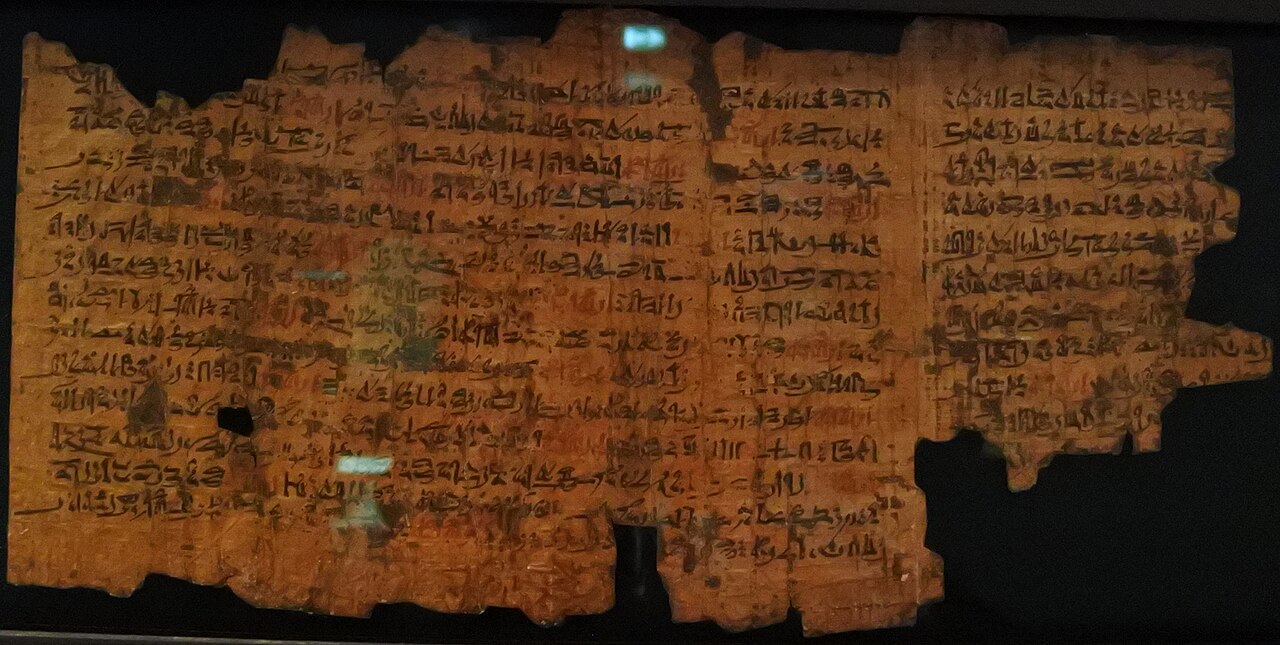
An Egyptian poem, the Admonitions of Ipuwer, laments that "the river is blood" and that servants have taken their masters' places. It is often cited as an Egyptian record of the plagues. See the investigation on the Ipuwer Papyrus: the text is real, but its date and genre make that identification very doubtful.
The Case for the Biblical Account
Scripture's account
The Nile turns to blood; frogs, gnats and flies afflict Egypt; the magicians fail at the third plague; Goshen is spared from the fourth (Exodus 7–8).
What evidence would we expect?
Egyptian records of unusual Nile conditions, infestations, and disasters clustered in one period. Natural mechanisms that could produce such effects.
The discoveries
Egyptian texts about bad Niles and famine; modern understanding of algal blooms and post-flood frog and insect populations; the Ipuwer text's imagery.
Testing the discoveries
No Egyptian document records these plagues together at one time. Natural explanations are possible for some plagues but not proven for any.
The strongest reconstruction
The first plagues use the realities of Egyptian life, the river, frogs and insects, and turn them against Egypt's confidence in its gods and king.
What remains possible
That God acted through natural processes at a moment of His choosing; that He acted beyond them; or that Israel's memory of disaster in Egypt was shaped into a sequence of signs.
Three questions, kept separate
- Could events like these happen in Egypt? This can be studied scientifically, and for several plagues the answer is yes.
- Did these particular events happen? That depends on records and physical evidence, which have not been found.
- Did God bring them about? That is a question of faith. A natural mechanism does not exclude divine action: Exodus itself says God used an east wind (10:13; 14:21).
What the evidence shows
- Algal blooms and red sediment can discolor rivers and kill fish.
- The first plagues formed a natural chain reaction.Source: G. Hort, "The Plagues of Egypt," ZAW 69 (1957) and 70 (1958)
- An Egyptian record of the ten plagues has been identified. See the Ipuwer investigation.
- God struck Egypt to show that He is the LORD.
Continue the journey
Ancient MysteriesThe Ipuwer Papyrus: An Egyptian Record of the Plagues?Does an Egyptian poem that says "the river is blood" remember the Exodus?More from this lesson
Investigations
Optional deep dives: the ancient sources, the physical evidence, and every interpretation side by side, including unconventional ones, each labeled for what it is.
The Ipuwer Papyrus: An Egyptian Record of the Plagues?Papyrus: authentic · Parallels: real · Eyewitness record of the Exodus: unlikely
Does an Egyptian poem that says "the river is blood" remember the Exodus?
Papyrus Leiden I 344 preserves a long Egyptian lament, the Admonitions of Ipuwer, describing a land in chaos: "the river is blood," plague throughout the land, servants wearing their masters' gold. Some writers identify it as an Egyptian account of the plagues. The papyrus is real and the parallels are striking; but its date and its literary genre make a direct identification unlikely.
Open the full investigation →Why this matters to the rest of Scripture
- Jesus: "if I with the finger of God cast out devils": the magicians' phrase.
- Paul names Pharaoh's magicians, by Jewish tradition, as Jannes and Jambres.
- Waters turned to blood in the bowl judgments.
- "Had turned their rivers into blood… sent divers sorts of flies."