Moses tells the people all the words of the LORD, and they answer with one voice: "All the words which the LORD hath said will we do." "And Moses wrote all the words of the LORD."
Early in the morning he builds an altar under the mountain, with twelve pillars for the twelve tribes. Young men offer burnt offerings and peace offerings. Moses puts half the blood in basins and sprinkles half on the altar. He reads "the book of the covenant" to the people, and they say, "All that the LORD hath said will we do, and be obedient." He sprinkles the blood on the people: "Behold the blood of the covenant, which the LORD hath made with you concerning all these words."
Then Moses, Aaron, Nadab, Abihu and seventy elders go up, "and they saw the God of Israel: and there was under his feet as it were a paved work of a sapphire stone, and as it were the body of heaven in his clearness." God does not lay His hand on them: "they saw God, and did eat and drink."
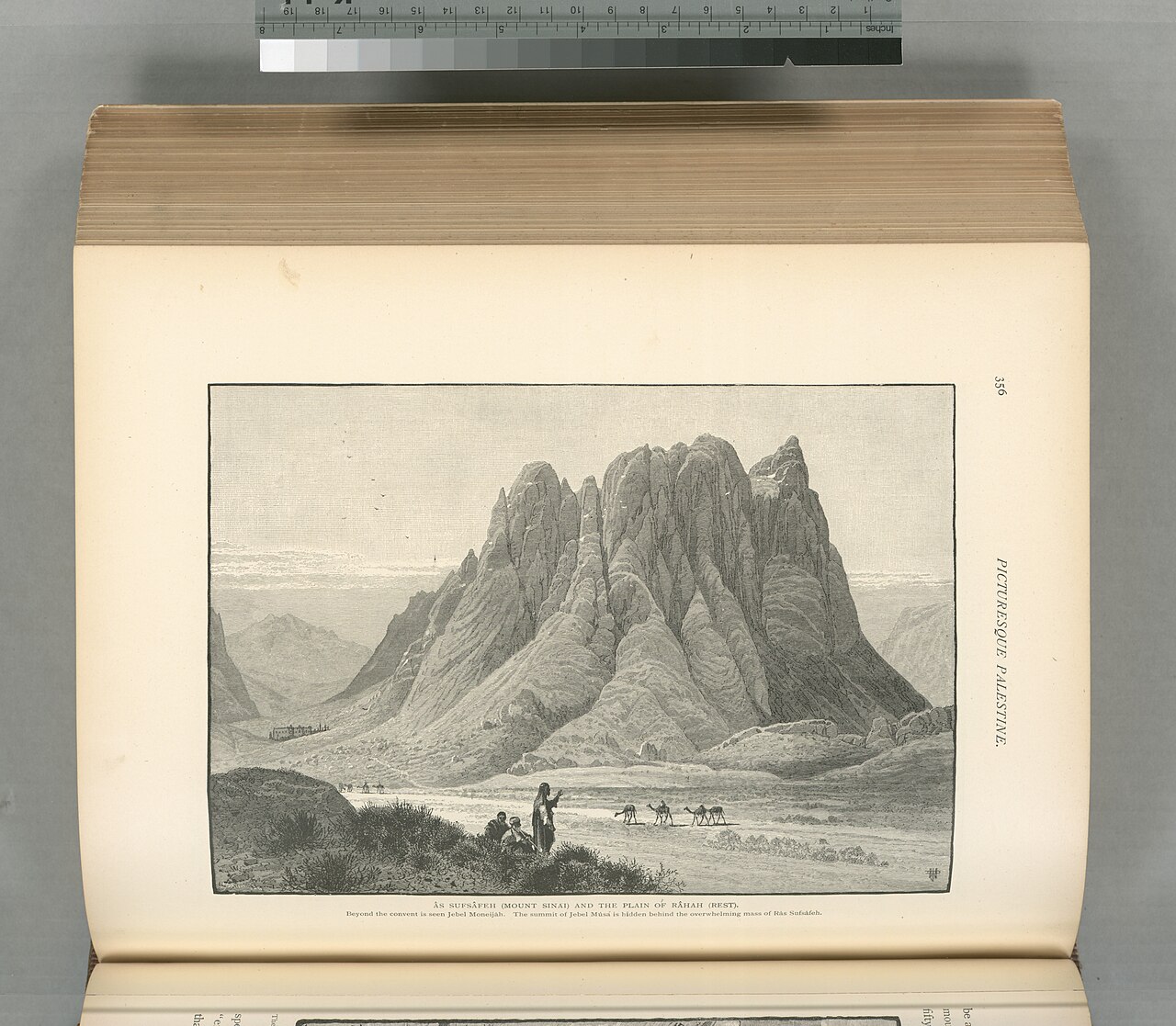
God calls Moses up to receive "tables of stone, and a law, and commandments which I have written." Moses goes up with Joshua; the glory of the LORD rests on Sinai like a devouring fire on the top of the mountain, and the cloud covers it for six days. On the seventh, Moses enters the cloud, "and Moses was in the mount forty days and forty nights."
Twelve standing stones
Standing stones (masseboth) as witnesses to a covenant or memorial appear across the ancient Levant: Jacob and Laban's pillar (Genesis 31:45), Joshua's stone at Shechem (Joshua 24:26), and rows of standing stones at sites such as Gezer and the shrine at Arad. Twelve pillars, one for each tribe, make the whole people party to the covenant.
Blood that binds
Ancient covenants were often sealed by ritual: animals cut in pieces (Genesis 15; see the Echoes topic on cutting a covenant), oaths and shared meals. Sprinkling the blood on both the altar (God's side) and the people binds both parties in one life. The shared meal afterward marks the restored relationship.
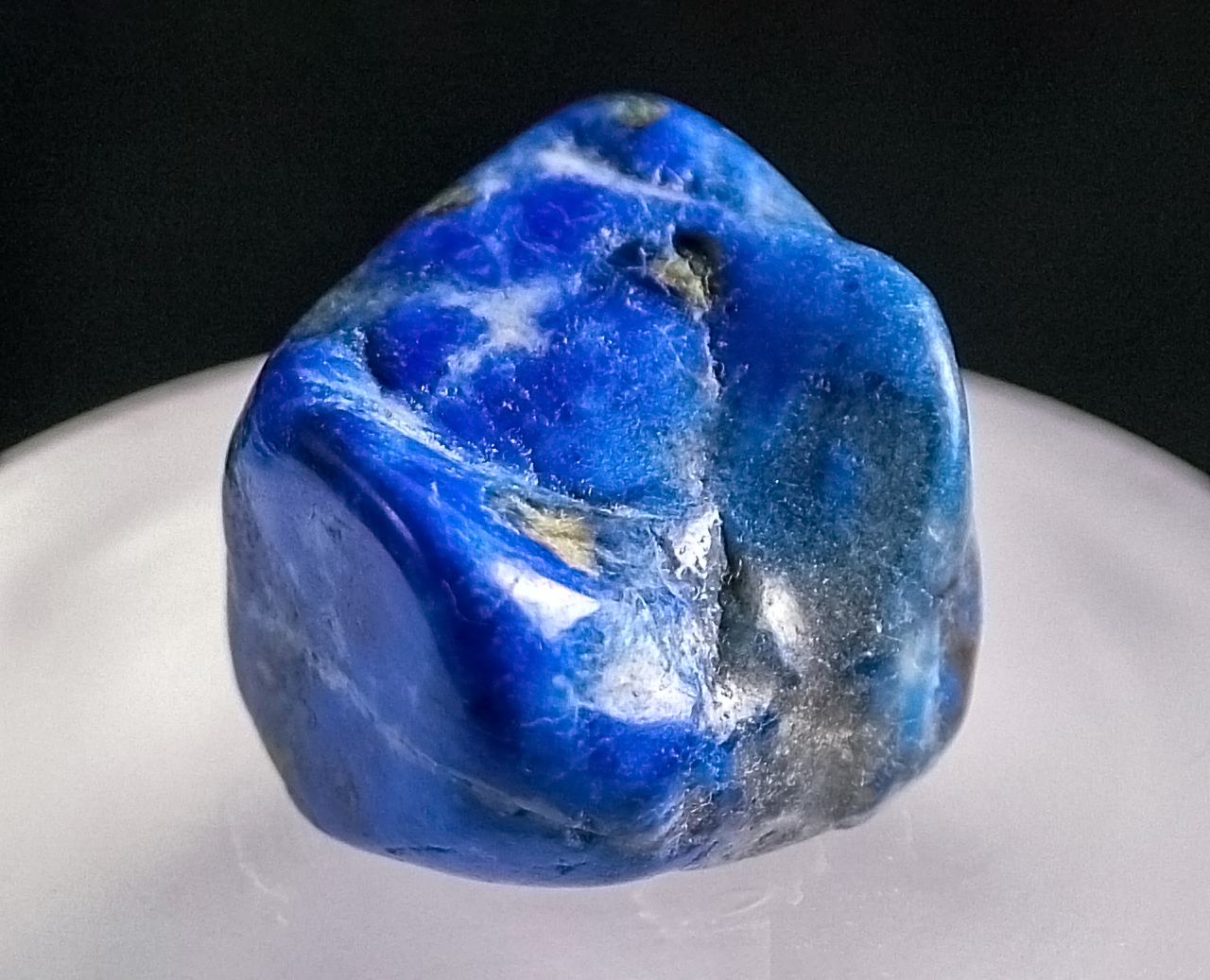
A pavement like sapphire
The Hebrew sappir probably means lapis lazuli, the deep blue stone flecked with gold that ancient peoples used to picture the heavens. Egyptian and Mesopotamian temples used lapis-blue for divine ceilings and the thrones of gods. Ezekiel saw God's throne "as the appearance of a sapphire stone" (Ezekiel 1:26).
The Case for the Biblical Account
Scripture's account
Moses writes the book of the covenant, the people accept it, it is sealed with blood, and the elders see God (Exodus 24).
What evidence would we expect?
Ancient covenant rituals with oaths, sacrifice and meals; standing stones as covenant witnesses; written covenant documents read aloud.
The discoveries
Covenant ceremonies in Hittite treaties and Mari letters; standing stones across the Levant; treaty documents read publicly at intervals.
Testing the discoveries
These show the ceremony is culturally at home; the particular event is known only from Scripture.
The strongest reconstruction
Exodus 24 follows the pattern of an ancient covenant ceremony: reading, acceptance, sacrifice, and a meal.
What remains possible
The vision of God remains a matter of faith; Jewish and Christian interpreters have long discussed what the elders saw.
Moses the writer
Exodus 24:4 ("Moses wrote all the words of the LORD") and 17:14 are central to the tradition of Mosaic authorship. They say that Moses wrote specific material; they do not by themselves say he wrote all five books in their present form. See How Exodus Came to Us.
What the evidence shows
- Standing stones served as covenant and memorial witnesses in the ancient Levant.
- Ancient treaties were read aloud and accepted publicly.Source: K. A. Kitchen and P. J. N. Lawrence, Treaty, Law and Covenant in the Ancient Near East, 3 vols. (2012)
- Moses wrote down the words of the covenant. Stated in Exodus; how much of the Torah he wrote is debated.
- The elders "saw the God of Israel."
Continue the journey
Echoes Across CivilizationsCutting a covenantDid other peoples seal oaths by cutting animals, as Abram does in Genesis 15?More from this lesson
Echoes Across Civilizations
Optional: how other ancient peoples told similar stories. Open one to compare, then come back to the lesson.
Cutting a covenantAmorite kingdom of Mari · Aramaeans · Assyria
Did other peoples seal oaths by cutting animals, as Abram does in Genesis 15?
- Amorite kingdom of Mari: "Killing a donkey foal" in the Mari letters Shared literary world
- Aramaeans: The Sefire treaty stelae Shared literary world
- Assyria: Treaty of Ashur-nirari V with Mati'ilu Shared literary world
Covenants shaped like treatiesHittite · Assyrian
Did ancient kings make treaties in the same shape as God's covenant at Sinai?
- Hittite: Hittite vassal treaties (e.g. Mursili II with Duppi-Teshub of Amurru; Suppiluliuma I with Shattiwaza) Possible historical contact
- Assyrian: The Succession Treaty of Esarhaddon (Vassal Treaties of Esarhaddon) Possible historical contact
Why this matters to the rest of Scripture
- "This is my blood of the new testament, which is shed for many."
- The covenant dedicated with blood.
- "The likeness of a throne, as the appearance of a sapphire stone."
- Joshua's covenant and the great stone of witness.