"Thinkest thou this to be right, that thou saidst, My righteousness is more than God's?… Look unto the heavens, and see; and behold the clouds which are higher than thou. If thou sinnest, what doest thou against him?… If thou be righteous, what givest thou him? or what receiveth he of thine hand? Thy wickedness may hurt a man as thou art; and thy righteousness may profit the son of man."
"By reason of the multitude of oppressions they make the oppressed to cry: they cry out by reason of the arm of the mighty. But none saith, Where is God my maker, who giveth songs in the night; Who teacheth us more than the beasts of the earth…? There they cry, but none giveth answer, because of the pride of evil men."
Unanswered petitions
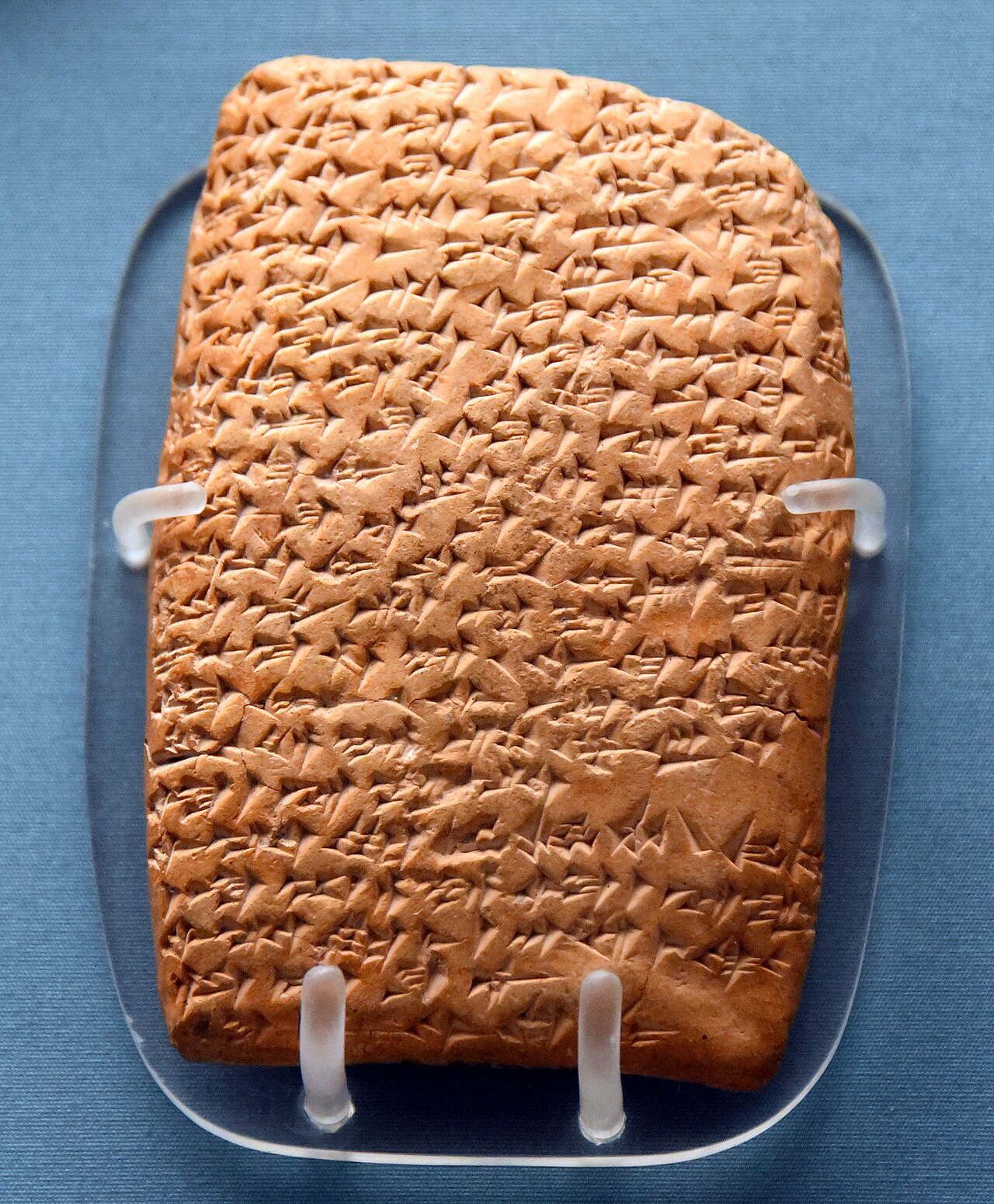
The Amarna letters, pictured above (14th century BC), include vassal kings of Canaan pleading again and again for the Pharaoh's help against enemies, often with no reply recorded. The image of a cry from below that goes unanswered was familiar from royal courts.
Songs in the night
"Who giveth songs in the night" is a phrase of trust: God gives hope in darkness (Psalm 42:8; 77:6). Elihu says the oppressed cry for relief without seeking God himself.
Taught more than the beasts
"Who teacheth us more than the beasts of the earth, and maketh us wiser than the fowls of heaven?" (35:11). Elihu ranks humans above animals by God's teaching; in God's own speech (38–39), animals are honoured as creatures God cares for. The book holds both views together.
What does Elihu add?
Elihu's point that human goodness does not benefit God echoes Eliphaz (22:2–3). His new idea is that unanswered prayer may come from the motive of the cry. Applied to Job, it misreads him: Job has been crying to God personally the whole time.
The versions
The library's Greek has a different text in 35:10–16, including "Who distinguished me from the beasts of the earth?" and a direct appeal to God ("if they cry to you"). The library's Sahidic Coptic copy, which follows the shorter pre-Origen Greek, lacks 35:8–9 and 35:15–16. Whether each missing line was absent from the Old Greek itself, or is damage in the Coptic manuscripts or our digital copy, is to be checked against Ziegler's edition (JOB-C03).
What the evidence shows
- The Amarna letters include repeated appeals by Canaanite rulers to Pharaoh.
- Job's prayers went unanswered because of his pride (Elihu). The prologue gives a different reason for his suffering.
Continue the journey
Connected in this bookEliphaz Invents a Charge SheetJob 22:2–3: Eliphaz's similar argument.More from this lesson
Why this matters to the rest of Scripture
- Eliphaz's similar argument.
- "In the night his song shall be with me."