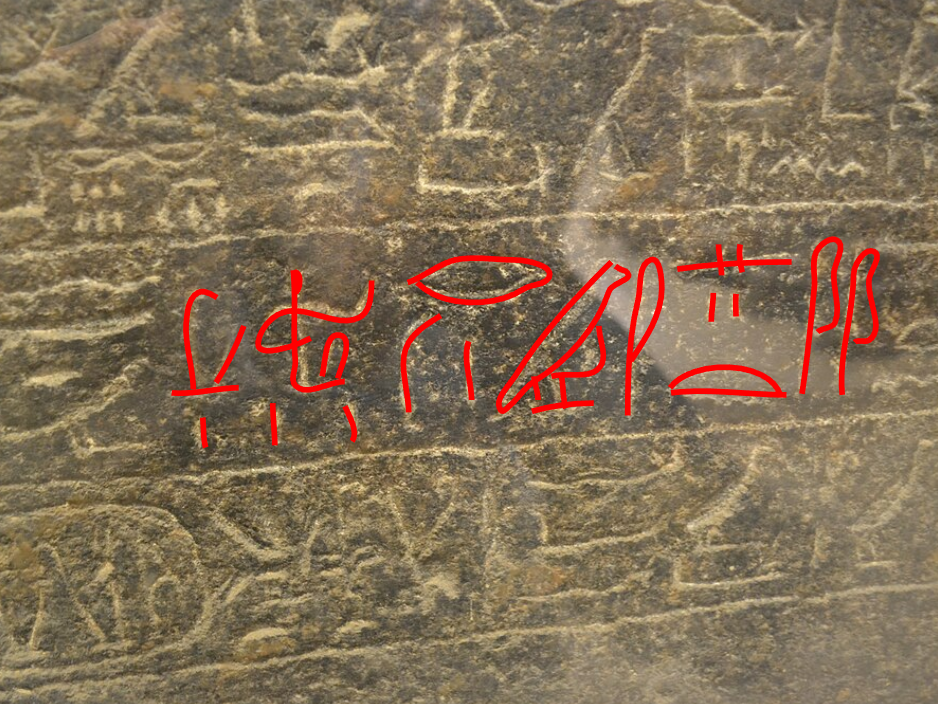
"Wherefore are we counted as beasts, and reputed vile in your sight?… Yea, the light of the wicked shall be put out… For he is cast into a net by his own feet, and he walketh upon a snare. The gin shall take him by the heel, and the robber shall prevail against him."
"It shall devour the strength of his skin: even the firstborn of death shall devour his strength. His confidence shall be rooted out of his tabernacle, and it shall bring him to the king of terrors."
"Brimstone shall be scattered upon his habitation… His remembrance shall perish from the earth, and he shall have no name in the street… He shall neither have son nor nephew among his people."
Six words for a trap
Bildad uses six different Hebrew words for nets, snares and traps in four verses (18:8–10). Fowlers and hunters used nets, spring traps and pits; Egyptian tomb paintings show bird-netting. The heaping of words makes the trap inescapable.
A name that perishes
To lose one's name and descendants was the worst fate in the ancient world. The Merneptah Stele, pictured above (c. 1208 BC), boasts "Israel is laid waste, his seed is not," the same threat Bildad makes. Job has already lost his children.
Light put out
Bildad's opening image (18:5–6), the lamp of the wicked going out in his tent, recurs in Proverbs (13:9; 24:20). A lamp burning in the house meant life and family continuing; a dark house meant death or ruin.
The firstborn of death and the king of terrors
"The firstborn of death" (a deadly disease) and "the king of terrors" (death as a ruler) may echo Canaanite mythology, where Mot ("Death") is a god and king of the underworld in the Ugaritic Baal Cycle. Here they are poetic personifications. The skin-devouring disease points straight at Job (2:7).
Insinuation
Bildad never says "you, Job," but every image (fire from heaven, no children, diseased skin, lost name) fits Job. The speech is an accusation in the form of a general rule.
The versions
18:13 shows translators wrestling: KJV "even the firstborn of death shall devour his strength"; the Vulgate "firstborn death consume his arms"; the library's Greek "let his toes be devoured; death will eat his beauty." The Hebrew baddav can mean "limbs" or "parts." In 18:14 the Greek replaces "the king of terrors" with "as if he had committed a crime against the king." The library's Sahidic Coptic copy, which follows the shorter pre-Origen Greek, lacks 18:10 and 18:15–16. Whether each missing line was absent from the Old Greek itself, or is damage in the Coptic manuscripts or our digital copy, is to be checked against Ziegler's edition (JOB-C03).
What the evidence shows
- Bildad's description parallels Job's own losses point by point.
- Mot (Death) is a god in the Ugaritic texts.Source: Ugaritic Baal Cycle, KTU 1.5 i 1–3 (Lotan, "the fleeing serpent… the mighty one with seven heads")
Continue the journey
Connected in this bookA Man in the Land of UzJob 1:16: "The fire of God is fallen from heaven."More from this lesson
Why this matters to the rest of Scripture
- "The fire of God is fallen from heaven."
- "Death shall feed on them."